

When boat owners need a new propeller, this one question usually comes up first: Should you choose an OEM prop or an aftermarket option? Both can work well, but the right choice depends on your boat, engine model, budget, and performance goals. We will break down the key differences so you can make a smart decision.
What Do OEM & Aftermarket Mean?
Before you compare costs and performance, it helps to understand what these terms mean.
An original equipment manufacturer produces OEM parts that match the propeller that came with your boat from the factory. OEM stands for products that the manufacturer designs and approves for a specific engine model and setup.
Aftermarket props, on the other hand, come from third-party manufacturers. These companies design propellers that fit a wide range of boats and motors. Some aftermarket brands follow original specifications closely, while others create designs that target specific performance needs.
The biggest difference between OEM vs aftermarket products often comes down to who manufactures the part and what goals they had during production.
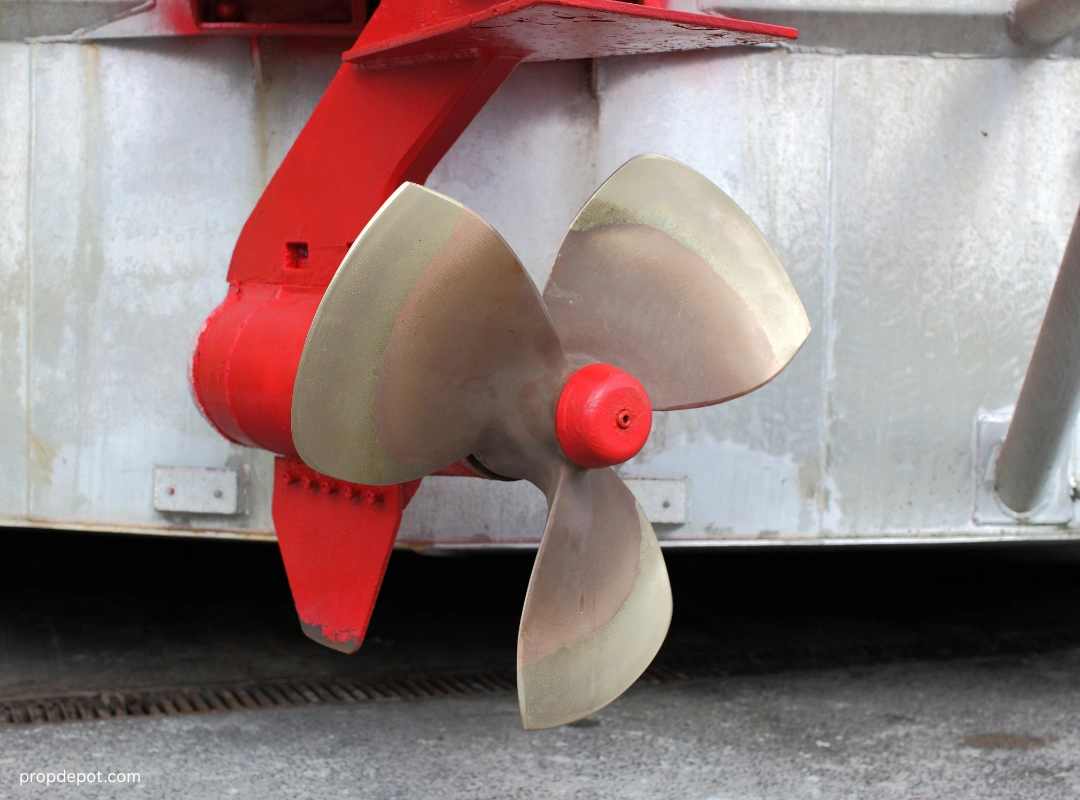
Here’s What OEM Props Bring to the Table
Many boat owners stick with OEM props because they know exactly what they are getting.
Built for Your Engine Model
OEM props match the specifications recommended by the manufacturer. The pitch, diameter, hub design, and blade shape align with the original setup. This direct match often reduces guesswork when replacing a damaged prop.
Reliable Fit and Operation
OEM parts eliminate concerns about compatibility. Since the manufacturer designed the prop for a specific engine, you can expect predictable steering, acceleration, and handling characteristics.
Warranty Confidence
Many owners prefer OEM parts because they support manufacturer warranty requirements. While not every aftermarket prop affects warranty coverage, some boat owners choose OEM simply to avoid potential disputes.
Consistent Factory Performance
OEM propellers deliver the performance that engineers intended when they designed the boat and engine package. If you liked the way your boat handled before replacing the prop, an OEM replacement often maintains those same characteristics.
But Let’s Talk About the Drawbacks of OEM Props
OEM props have a few limitations.
Higher Price Tags
The most common concern involves cost. OEM props often carry a higher price than comparable aftermarket options. Buyers end up paying more because of branding, manufacturer distribution, and factory specifications.
Fewer Custom Choices
OEM suppliers generally focus on stock replacement products. If you want a better hole shot, more stern lift, different RPM characteristics, or improved top-end performance, OEM selections may feel limited.
Limited Availability
Certain OEM parts become harder to find as engines age. Older outboard motors sometimes require longer wait times for replacement propellers or special orders from suppliers.
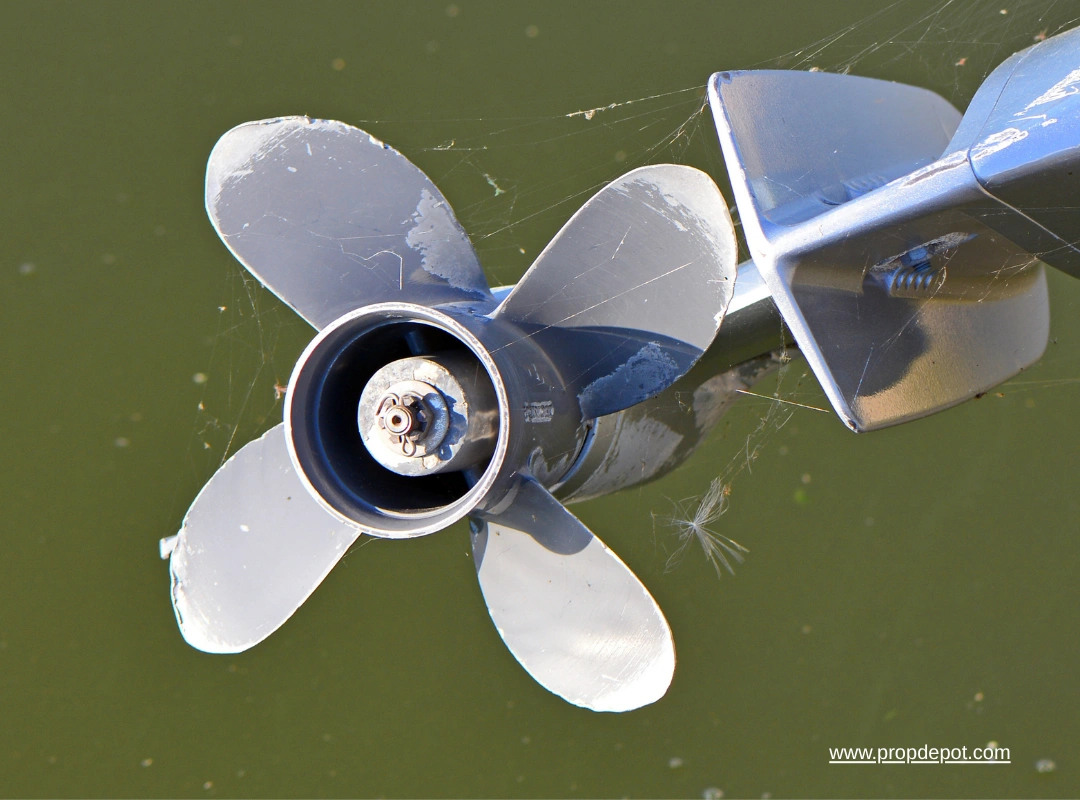
Why Many Boat Owners Consider Aftermarket Props
The aftermarket industry has changed significantly over the years. Today’s leading aftermarket brands produce products that compete directly with OEM alternatives.
Competitive Pricing
One of the biggest advantages of aftermarket options is lower cost. Boat owners often find high-quality replacement propellers at lower prices without sacrificing reliability.
More Performance Choices
Many aftermarket companies design props for specific applications. If you want better fuel economy or improved towing performance, you can find a specialized solution.
Broad Product Selection
Unlike OEM suppliers that focus on factory replacements, aftermarket manufacturers offer extensive choices in blade design, pitch range, materials, and hub systems.
This flexibility opens the door to fine-tuning boat performance. The choice between stainless steel vs aluminum propellers becomes particularly relevant here, since aftermarket brands often offer both materials in the same model, giving buyers more control over durability and performance trade-offs.
Let’s Look at Popular Aftermarket Brands
Several aftermarket brands have earned strong reputations among boat owners. But the turning point remains one of the most recognized names in aftermarket propellers. People want reliable aftermarket brands that can take some beating. Multiple manufacturers offer stainless steel and aluminum options for various outboard motors. And many companies provide modular hub systems that fit different engine configurations. A high-quality aftermarket prop from a trusted brand justifies this trust by delivering unmatched reliability and performance. Remember, the key lies in choosing reputable manufacturers rather than unknown suppliers.
So What Risks Come With Non-OEM Props?
Not every aftermarket propeller delivers the same level of quality.
Quality Varies Between Manufacturers
OEM parts follow strict factory specifications. Aftermarket products range from premium designs to lower-grade alternatives. Buyers must evaluate quality carefully before making a purchase.
Universal Fit Isn’t Always Perfect
Some non-OEM props use a universal fit approach. While convenient, these products may not match the precision of a prop specifically engineered for a particular engine model.
Performance Differences
An aftermarket prop can improve performance, but it can also create unexpected issues if selected incorrectly. The wrong pitch or blade design may increase slip, reduce efficiency, or affect steering response. Understanding how propeller material affects performance and durability gives buyers a clearer standard for evaluating whether an aftermarket option holds up under real boating demands.
That does not mean aftermarket props are risky by nature. It simply means proper selection matters.
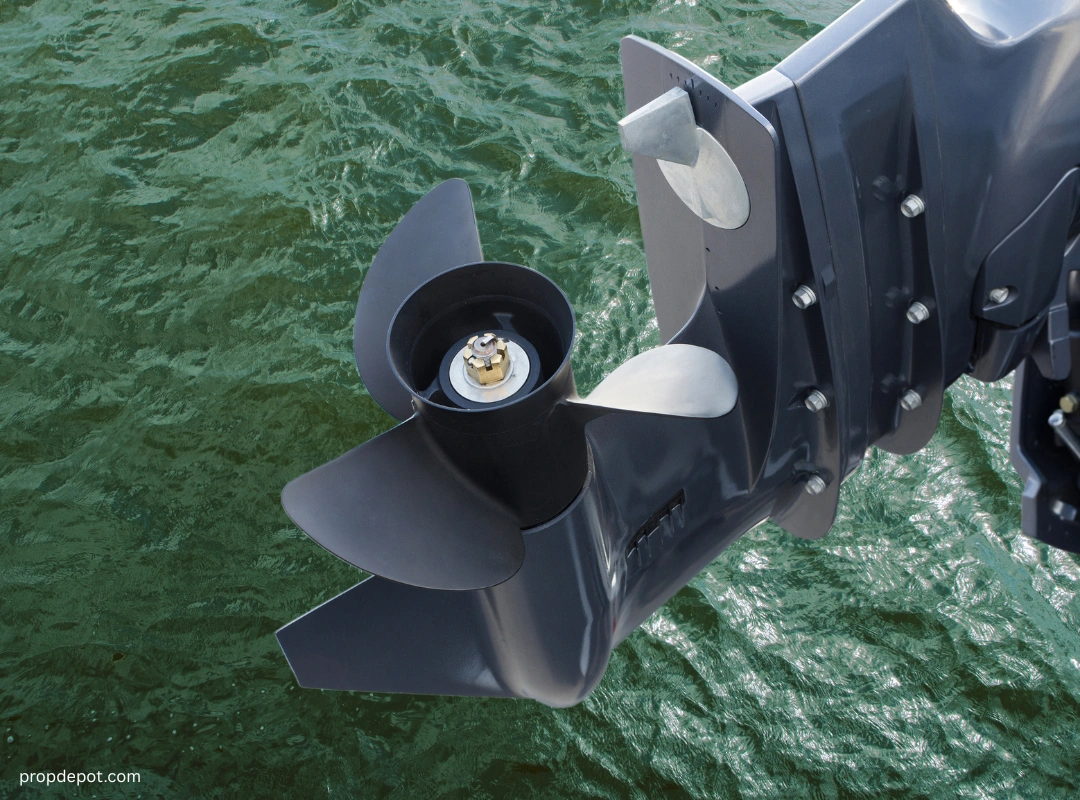
Here’s How to Choose the Right Replacement Prop
Choosing a replacement propeller should never feel like throwing darts in the dark.
Match the Engine Model First
Always verify compatibility with your engine model before ordering. Check manufacturer recommendations and specifications carefully.
Consider How You Use the Boat
Think about your normal boating activities.
- Fishing
- Cruising
- Watersports
- Heavy-load operation
- High-speed performance
Different propellers support different goals.
Focus on Long-Term Value
A cheaper prop may save money today, but durability matters. Look beyond the initial price and evaluate expected service life, construction quality, and reliability. One often-overlooked factor in long-term value is how often a propeller should be removed for maintenance, since neglecting this step accelerates wear regardless of whether the prop is OEM or aftermarket.
Buy From Trusted Specialists
This step often makes the biggest difference. Experienced suppliers, such as Prop Depot, help customers avoid costly mistakes and identify the right propeller for their setup.
Speaking of Trusted Suppliers, Here’s Where Prop Depot Helps
When boat owners need replacement propellers, they need more than a product sitting in a box. They need accurate guidance and dependable support.
Prop Depot helps customers identify the correct propeller for their engine and boating style. Their team understands the differences between OEM props and aftermarket options and helps buyers compare solutions based on real-world needs.
If you need a factory-style replacement or want to explore aftermarket upgrades, Prop Depot offers access to quality products from trusted manufacturers. Prop Depot also focuses on fast shipping, dependable inventory, and responsive customer service. That commitment helps boat owners spend less time searching and more time on the water.
Making the Final Call
At the end of the day, the OEM versus aftermarket debate does not have a generic answer. OEM props deliver factory precision, predictable performance, and warranty confidence. Aftermarket props provide flexibility, specialized performance options, and potential savings.
The right propeller depends on your engine, boating habits, performance goals, and budget. When you evaluate those factors carefully, you can choose a replacement that keeps your boat running smoothly for years to come.
Before you place an order, take time to verify compatibility and work with a trusted supplier. Look into Prop Depot in Tennessee for a range of propellers for sale.
Choosing Between OEM & Aftermarket Options with Prop Depot
When your prop needs replacing, the choice usually comes down to OEM or aftermarket. The right choice depends on how you use your boat and what kind of performance you want to maintain or improve. Prop Depot supplies and supports both OEM and aftermarket propellers. We specialize in stainless steel and aluminum prop options, propeller repair services, and performance matching guidance, helping boaters compare real-world performance. If you’re deciding on a replacement prop, contact us today.
Frequently Asked Questions
If you still have questions about replacement propellers, these quick answers may help.
Q1. Are aftermarket propellers as good as OEM propellers?
A: Yes, many aftermarket brands offer quality and performance that match or exceed OEM props when chosen correctly.
Q2. How do I know which propeller fits my engine model?
A: Check your engine specifications or contact Prop Depot for assistance with fitment recommendations.
Q3. Do aftermarket props affect my boat warranty?
A: Warranty terms vary by manufacturer, so review your warranty documentation before purchasing non-OEM parts.
Q4. Does Prop Depot ship replacement propellers throughout Tennessee?
A: Yes, Prop Depot serves customers across Tennessee and helps boat owners find the right propeller solutions.
Q5. Why do Tennessee boat owners choose Prop Depot?
A: Boat owners trust Prop Depot for knowledgeable support, quality propeller options, and dependable service.