

Use the Mercury Prop Finder by entering your boat’s model, make, engine, and performance goals. It narrows down compatible Mercury propellers based on your setup, making it easier to choose a propeller that delivers the right balance of fuel efficiency, speed, and acceleration. Let’s know more.
Why the Right Mercury Prop Matters
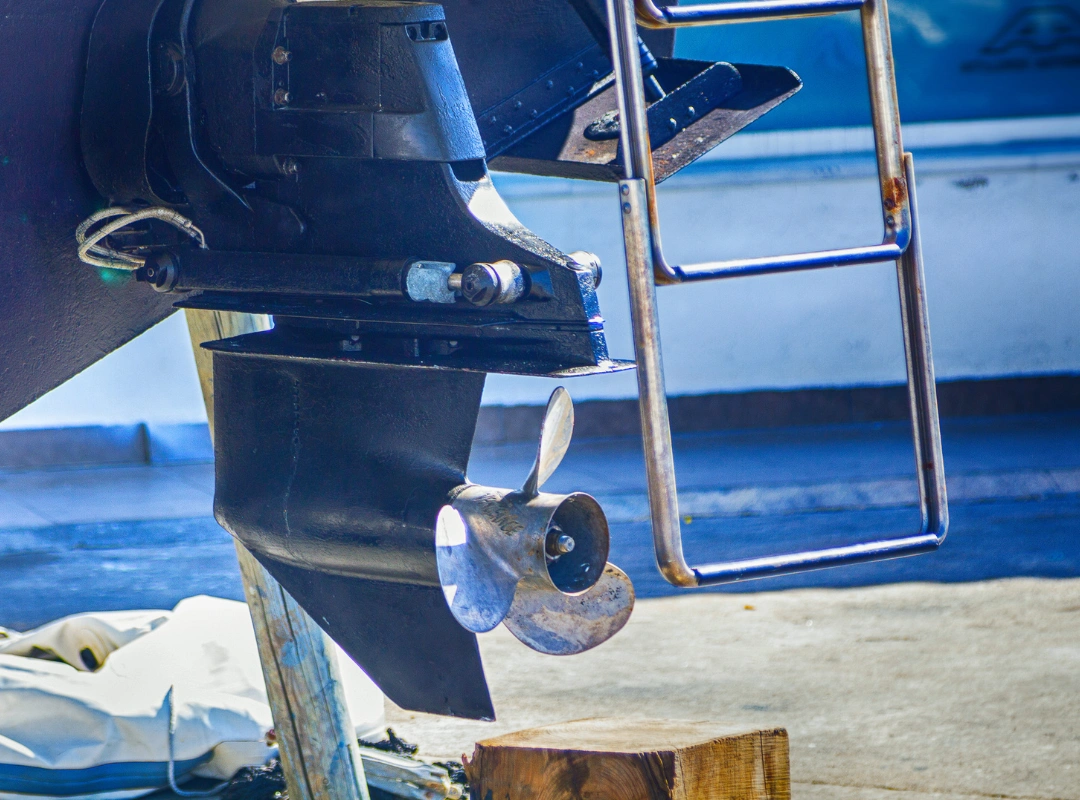
A boat prop is not just a spinning piece of metal bolted to your lower unit. It is the single part that translates engine output into forward motion, and the wrong pitch or wrong size can quietly rob you of performance for the life of the boat.
Boats fitted with mismatched stock propellers generally struggle with:
- Slow planing
- Poor fuel numbers
- Rough handling in turns
A properly matched mercury prop changes all of that by putting the engine into its perfect operating range, which is exactly the problem the Prop Finder tool was built to solve. If you want a broader look at the fundamentals before diving into the tool itself, this guide on choosing the right propeller is a solid starting point.
Getting Started With the Prop Finder
Using the tool starts with basic inputs: your Mercury Marine engine model, boat length, boat weight, horsepower, and the type of activity you use the boat for most, whether it is running open water at wide open throttle, pulling skiers, or cruising at a steady pace.
Once these details are entered, the finder returns a Mercury props set of recommended options (ranked by fit). This is where many owners are surprised to learn how far off their stock propellers actually are from what their setup truly needs. The results generally list pitch, blade count, and material side by side so you can compare aluminum against stainless options.
Aluminum vs Stainless: Reading the Options
The finder generally splits results into two material families.
Aluminum props are the standard choice on many factory boats. The reason is that they are affordable and forgiving (if you clip a sandbar), but they flex more under load and wear faster.
Props built with superior materials like stainless steel:
- Hold their shape at high RPM
- Resist damage
- Deliver noticeably crisper handling through turns
If durability and top-end performance matter more to you than upfront cost, stainless is worth the jump. The results screen usually makes this comparison easy to spot without needing to dig through separate spec sheets.
Reading Mercury Prop Numbers
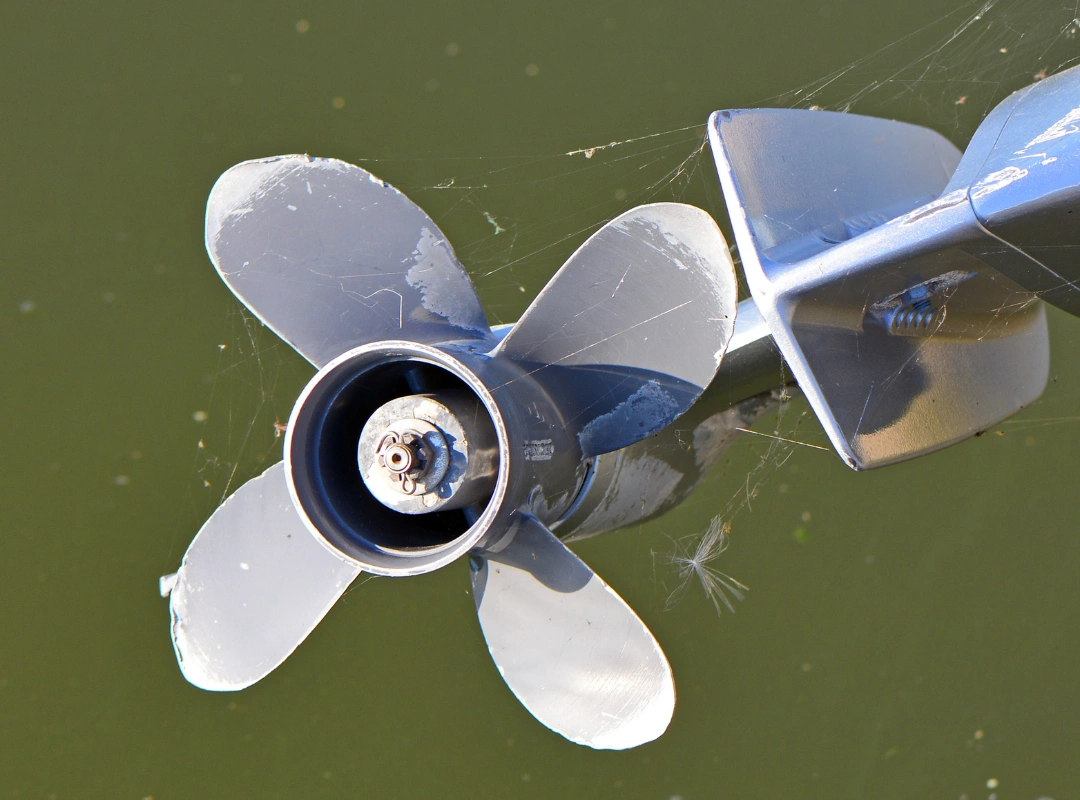
Every result in the Prop Finder is labeled with a code that shows material, diameter, and pitch in a single string. Learning to read these numbers on your own is a useful skill even after you have the tool’s recommendation in hand, since it lets you cross-check listings when you go shopping.
A full walkthrough on this is laid out in this blog on how to identify correct propeller numbers, which breaks down exactly what each segment of a Mercury part number represents, so you are never left decoding a sign you don’t understand.
Matching Pitch to Your Boat’s Job
Pitch is the distance a prop would move forward in one full rotation if it were driving through solid water instead of a fluid. It is the number that most directly shapes top speed vs low-end pull.
- A lower pitch spins faster and gets a heavy boat out of the hole quickly, which is why ski and wake boats generally run lower numbers.
- A higher pitch trades off some of that early pull for better speed once the boat is on plane and running at wide open throttle.
The Prop Finder factors in your boat’s weight and the typical load when making its pitch suggestion. Want to fine-tune it yourself? This piece on picking the right boat propeller walks through the tradeoffs in plain language.
Blade Count & Vibration
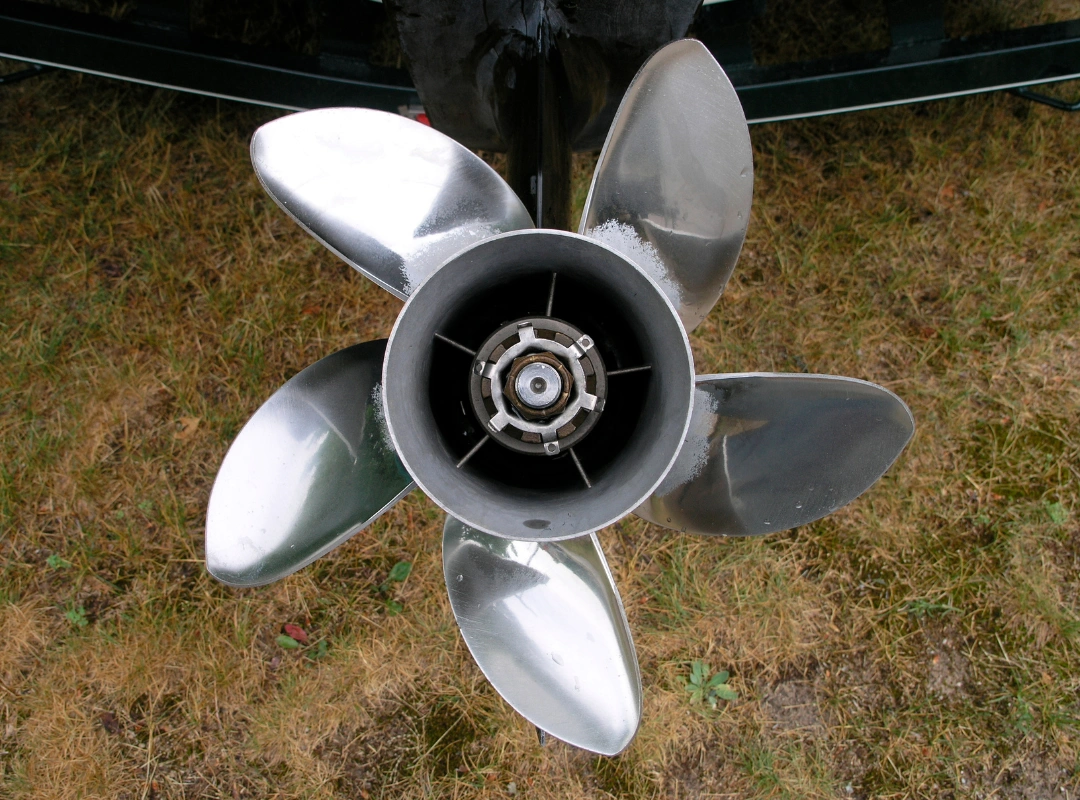
Blade count is another variable that the tool heavily weighs. 3-blade props are common on stock propellers because they balance acceleration and speed well for general use. 4-blade and 5-blade designs bite into the water more consistently, which eliminates vibration at cruising speed and improves handling (when running in a straight line or through chop).
The current setup shakes at certain RPM ranges? A blade count change recommended by the finder is generally the fix rather than a mechanical problem with the engine itself.
Mercury Racing Propellers for Serious Performance
Boat owners who are chasing top-end numbers should pay close attention to the Mercury Racing propellers category (inside the finder’s results). These are built with premium design and innovative technology intended for boats that spend real time at high RPM. They are not always necessary for casual weekend use, but for boats set up for racing or open-water running, the difference in grip and top speed is noticeable the first time you push the throttle down.
For background on how Mercury structures its full lineup of products, this guide to Mercury Marine propellers covers the range from entry-level aluminum through the racing tier.
Conclusion
Selecting the right prop does not have to be a guessing game. The Mercury Prop Finder takes the variables of your boat, engine, and use case and turns them into a useful list of matches, cutting out much of the trial and error that comes with swapping stock propellers on your own.
Visit Prop Depot for Mercury Propellers
Once you know what you’re looking for, Call Prop Depot. We are a Tennessee propeller company and an Authorized Mercury, ACME, OJ, Powertech, and Solas Dealer, carrying new propellers for outboard and sterndrive setups, ACME and OJ propellers, cruiser propellers, pod-drive propellers, aluminum props, demo, and used propellers, along with marine accessories and prop pullers.
Our lineup also includes Volvo Penta, Michigan Wheel Cruiser Propellers, and Quicksilver Propellers, backed by repair services covering Volvo IPS/pod drive repair, stainless prop repair, Volvo Duo Prop repair, Solas Bravo III prop repair, and cruiser prop repair.
Contact Us to speak with a specialist directly.
Frequently Asked Questions
How to select the correct prop?
Match your engine’s horsepower, boat weight, and typical use to a pitch and blade count using a fitment tool, then confirm the choice by checking wide-open throttle RPM after installation.
What is a mercury prop selector?
It is an online tool that recommends propeller options based on your Mercury engine model, specs of your boat, and how you use your boat, narrowing a large catalog down to a short list of fits.
Is a 3-blade or 4-blade prop faster?
A 3-blade prop generally reaches a higher top speed, while a 4-blade prop offers quicker planing, stronger grip, and steadier handling at cruising speed.
How to read mercury prop numbers?
Mercury part numbers list pitch, diameter, material, and design series in sequence, with each segment identifying a specific spec of the propeller.
What pitch prop is best for speed?
Higher pitch numbers favor top speed on boats with enough horsepower to turn them. Lower pitch numbers favor quicker acceleration and a hole shot.