

Buying a boat is exciting, but deciding what kind of boat engine you want is where the head-scratching starts. Among the most important decisions is the choice between an inboard and outboard motor.
Yes, the age-old debate: inboard vs outboard motor. Both options have loyal fans, unique advantages, and a few trade-offs that are worth considering before embarking on your next boating adventure. No matter if you’re a weekend warrior, hardcore angler, or casual lake cruiser, this breakdown is here to help. We’ll cover space, power, maintenance, steering, and everything in between. Keep reading!
Difference Between Inboard & Outboard Motor
The primary difference between an inboard and an outboard engine lies in the location of the motor and how it powers the boat.
Outboard Motor
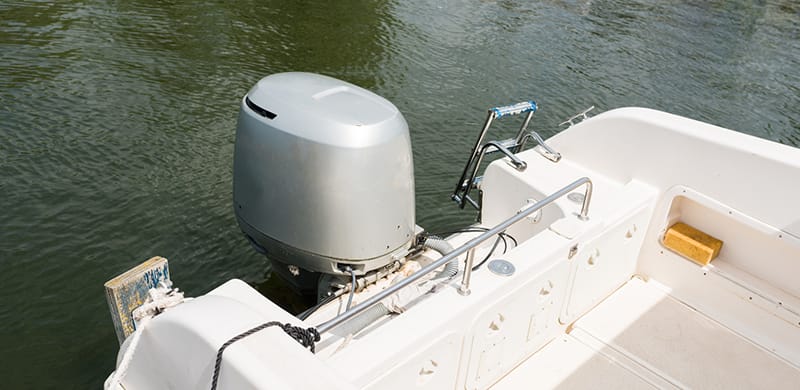
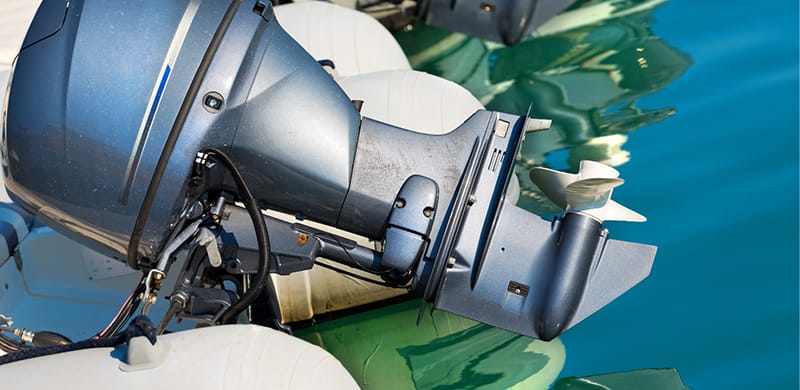
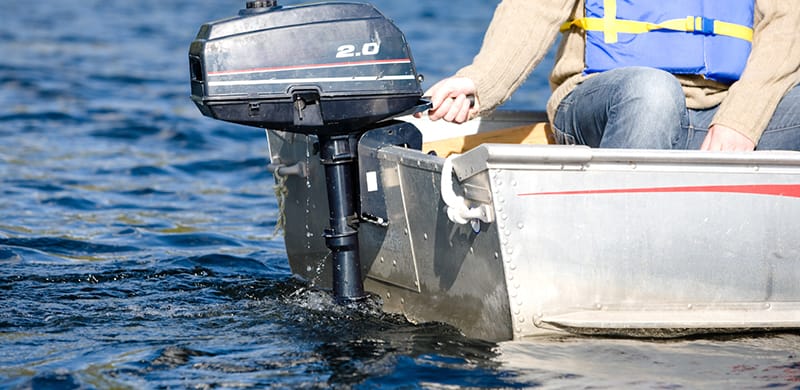
An outboard motor is typically mounted on the transom of the boat—the flat section at the stern (aka rear) of your vessel. It’s a self-contained unit that includes the engine, gearbox, and boat propeller, all in one compact design. These motors are easily removable, making them ideal for smaller boats, such as fishing boats, pontoons, and small cruisers.
Inboard Motor
An inboard engine, on the other hand, is located inside the boat, usually in the engine compartment near the center of the hull. It’s connected to a drive shaft that runs through the bottom of the boat, powering the propeller and using a separate rudder to steer the boat.
You may also hear about inboard outboard engines, also known as stern drives. These stern drives are a hybrid of the two. We’ll discuss this in detail below.
Power & Performance
When it comes to raw power, inboard motors tend to lead the charge, especially for larger vessels.

Inboard Motors Have More Power & Stability
An inboard setup distributes weight more evenly by placing the entire engine lower in the hull. This gives the boat a lower center of gravity, better balance, and improved handling in rougher waters. You also get the option to run diesel engines, which can offer better fuel economy over time and more low-end thrust, which is important for heavy boats. And when it comes to forward-facing props (common on surf and ski boats), inboards are the go-to option.
Outboard Motors Are Fast, Nimble, and Versatile
Outboard engines shine when it comes to speed, maneuverability, and ease of use, especially at low speeds or when navigating shallow water. With today’s high-horsepower outboards, the power gap isn’t nearly as significant as it used to be. Modern outboard-powered boats can reach high speeds while maintaining solid control and efficiency.
Steering and Control

Let’s talk about how inboard vs. outboard motors impact steering, the thing that makes boating fun.
Outboard Motors Offer Built-in Steerin
An outboard motor moves side to side to steer the boat, which gives you direct control without a separate rudder. It’s connected to the steering wheel through a mechanical or hydraulic system. It’s fast, intuitive, and ideal for beginners or shallow-water boating, where sharp turns are crucial.
Inboard Motors Have Rudder-Based Steering
In inboard setups, the engine stays put, and you use a rudder behind the prop to steer. This setup offers precise control at cruising speeds but can be challenging at low speeds, such as docking or making tight turns, unless you’re very comfortable with throttle control.
Maintenance & Service
Now, let’s discuss the less glamorous side of boating: maintenance. Here’s how they stack up.
Outboard Motor: Easier Access With Less Hassle
One of the biggest advantages of an outboard motor is its ease of service. Since the motor is on the transom, it’s easily removed and completely accessible. Cleaning off marine growth or performing routine checks is a straightforward process. That’s particularly significant for saltwater use, where corrosion can occur if proper care isn’t taken. When you need to re-power, simply unbolt the old drive unit and install a new one.
Inboard Motors Are Protected, But Harder to Reach
An inboard engine is protected from the elements because it resides inside the boat, but that also means it can be difficult to access. Changing the oil or repairing parts often involves crawling into the engine compartment, which is not ideal if you’re dealing with a tight setup or limited space inside. Additionally, if the cooling system (typically water-cooled) becomes clogged, you will need to undergo a more complex repair.
Space & Layout
Let’s look into how both these motors impact the space and layout on your boat.
Inboard Motors Give More Deck Space & Less Cabin Space
Since the motor is tucked away inside, you get a clean transom, often with a larger swim platform, which is great for water sports, fishing, or simply hanging out. That’s a big win if you value deck space at the stern.
However, don’t forget that the engine compartment takes up space inside the boat. On smaller boats, this can cut into cabin or storage space.
Outboard Motors Have Less Deck Space, But More Inside Room
With an outboard engine, the transom is occupied, and the swim platform may be smaller or more difficult to use. But inside the boat? You’ve got more room for seating, gear, or even a cooler full of weekend beverages. It’s all about what kind of space matters most to you.
Cost: Which One Hits Harder?
Let’s talk about the costs involved.
- Outboard motors are generally less expensive to purchase, service, and replace.
- Inboard motors are more expensive upfront and can be more costly to maintain.
That said, inboards might offer better long-term value for larger vessels or if you plan on doing serious water sports. But for casual cruising, fishing, or towing the kids around the lake, outboards often make more cost-effective sense.
Saltwater & Corrosion Concerns
Saltwater is no joke; it can eat through metal faster than a seagull snatching your lunch.
- Outboard engines are more vulnerable to corrosion since they’re fully exposed, but they’re also easier to rinse, service, or replace.
- Inboard motors are shielded from the elements, but if marine growth enters the cooling system, repairs can become messy quickly.
In salt-heavy environments, maintenance routines are crucial, especially when it comes to flushing and proper winterization.
The Hybrid: Inboard Outboard (Stern Drive)
Now, let’s talk about the middle ground: the inboard outboard, aka stern drive.
It combines an inboard engine (mounted inside the boat) with an outboard-like drive unit mounted on the transom. You get the clean transom and more room of an inboard, with the maneuverability and service access of an outboard.
It’s a highly integrated system and a favorite for family cruisers, runabouts, and watersports boats. The drawback is that stern drives can have complex cooling systems and drive shafts, so maintenance isn’t always straightforward.
Choosing the Right Option: Ask Yourself These Questions
- How will I use the boat? Fishing? Watersports? Family fun?
- Where will I store it? Marina, trailer, or lift?
- What waters will I boat in? Shallow water, saltwater, or lakes?
- How much space do I need? For people, gear, and moving around?
- Do I want something easy to maintain? Will I be doing the work or hiring a pro?
Final Thoughts: Which One’s Right for You?
In the epic showdown of inboard vs outboard motor, there’s no one-size-fits-all answer. It comes down to your boating lifestyle, budget, and personal preferences.
- If you want a simple, easy-to-service engine with nimble handling and lower costs, choose an outboard.
- For those who prefer a clean deck layout, more thrust, and quiet, stable performance on larger vessels, go inboard.
- If you want the best of both worlds, look into a stern drive and explore the inboard-outboard category.
Whichever route you choose, make sure your drive system, cooling system, and overall engine setup match the way you boat, not just what looks good at the dock. At the end of the day, it’s not just about the motor; it’s about the memories you make on the water with the people you love—and that comes with knowing your boat is powered right.
Prop Depot: Top Brands Propellers Nationwide
No matter which setup you choose, inboard for that sleek look or outboard for flexibility and easy maintenance, your motor is only as good as the prop pushing it. That’s where Prop Depot comes in.
Based in Tennessee and serving boaters nationwide, Prop Depot offers expert propeller repair, OEM replacements, and a wide selection of top brands like Solas, Volvo Penta, and ACME. Call (865) 673-8171 or ship in your prop for fast, professional service.