
What Are the Signs That I Need a New Propeller?
If your boat’s fuel consumption seems excessively fast, this could be an indicator that its propeller has been damaged or worn out and needs replacing to restore its peak performance. By purchasing a replacement prop, you will improve performance as well as save on costs over time. But is this the only sign that you need a new propeller? No, there are several more. By the end of this guide, you will understand if your propeller really needs a replacement or not.
Decreased Fuel Efficiency
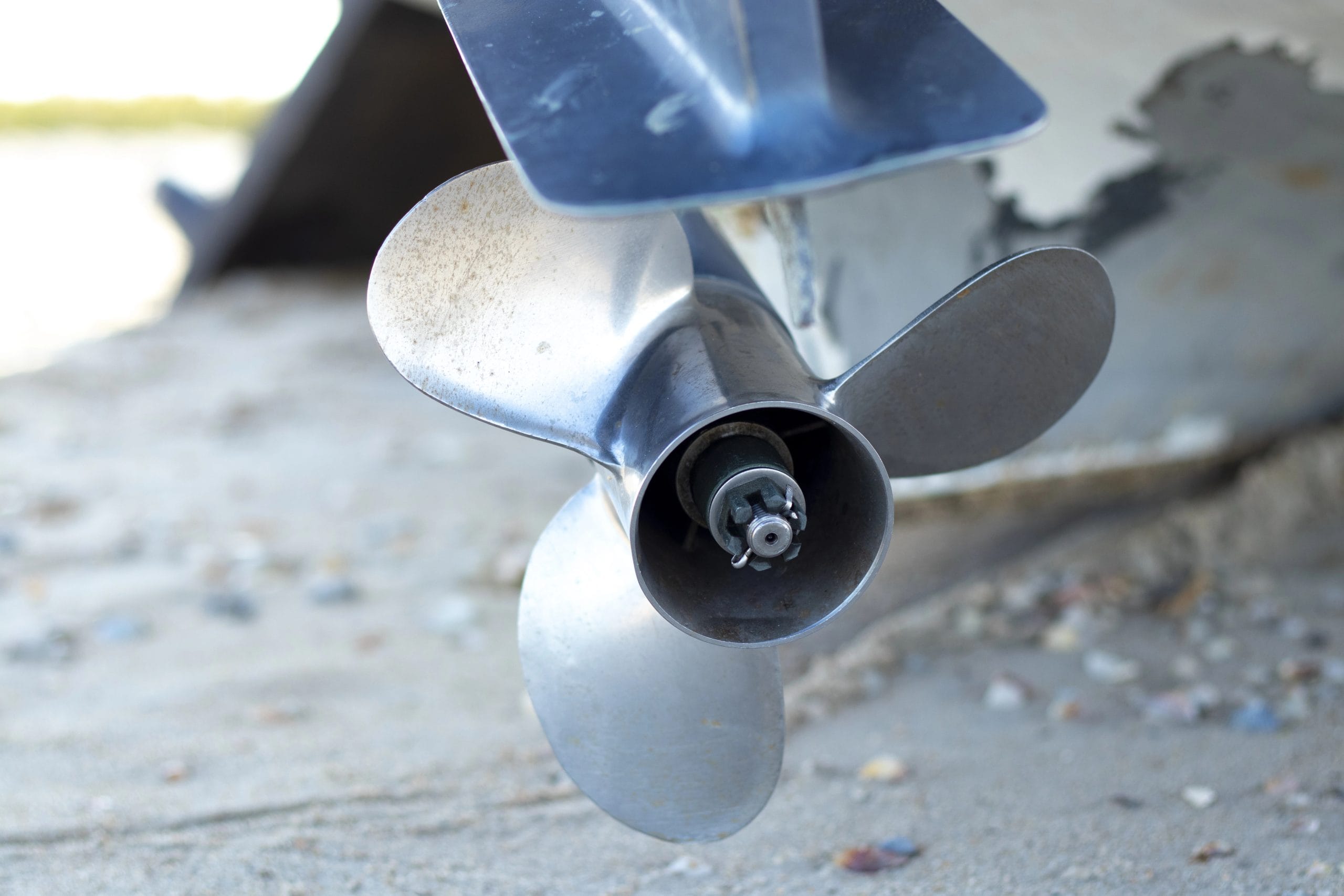
Propellers convert engine power to thrust, so any damage or inefficiencies to this component can severely decrease performance. If your boat seems to be burning through fuel at an unusually rapid rate without other obvious changes in driving behavior, a damaged propeller could be a reason.
Regular inspection of propeller blades for signs of cracks or chips caused by traversing shallow waters should detect such issues quickly before they lead to spun hubs. Otherwise, this will further compromise engine health and impair performance on the water.
Sluggish Acceleration of Boat Prop
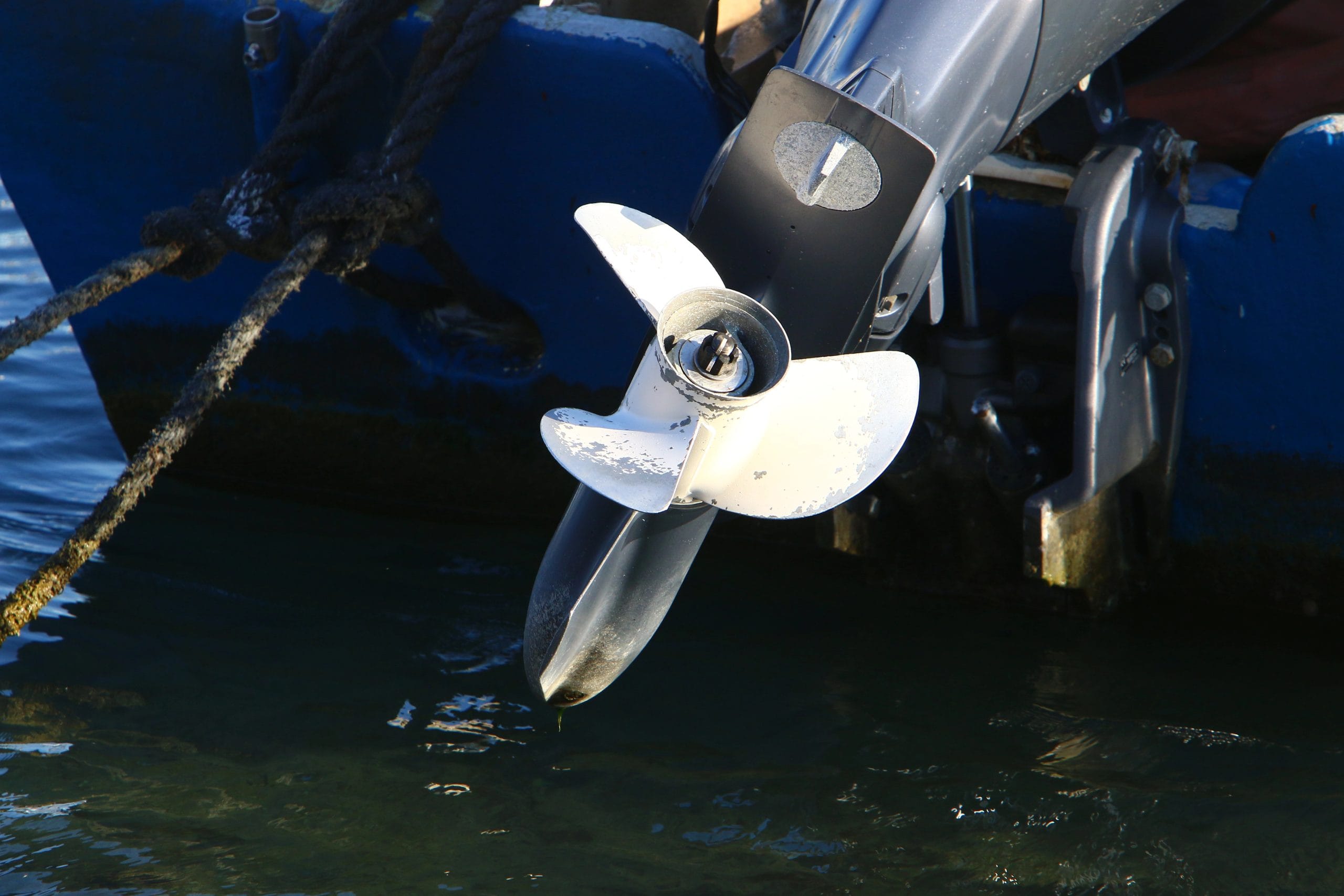
If your propeller is experiencing difficulty when you hit the gas pedal, this could be an indicator that you need to change the prop. But it could also be related to bent exhaust pipes, clogged fuel filters, or simply running too hot. Whatever its source, ignoring such problems will only worsen over time; taking action quickly as soon as you notice any slowness is important. Sluggish acceleration can be frustrating and should be treated seriously immediately upon becoming apparent.
Excessive Vibration
Damaged propellers can create extra vibrations throughout your boat. It can be in the hull, steering wheel, or deck – any time they vibrate, it shows that engine power isn’t being transferred efficiently into water power transfer and may even be stressing other components.
Vibrations may indicate that the propeller’s balance is not good. This could result in blade deformation, reduced efficiency, and added strain on other propeller-related systems. Sometimes, these issues arise because the boat is fitted with the wrong propeller, which negatively affects the overall performance and handling. In such cases, a propeller replacement is essential to restore smooth operation and improve your boat’s efficiency.
Propellers with nicks, chips, or other damage cannot properly grip the water, slowing acceleration and creating vibrations. Ignoring these signs could result in an inefficient boating experience and costly engine repair bills. So, replacing your propeller is the best chance to bring the boat’s performance and economy back.
Not Enough or Too Much Pitch
Propeller pitch measures the theoretical distance a propeller travels forward for every complete rotation when biting into a solid object, in inches. Your boat needs the ideal propeller depending on your goals: fast holeshot, efficient load handling, and acceleration or top speed cruising. You should choose a propeller with a large diameter and low pitch for steady cruising.
Propeller pitch can cause the engine to exceed its ideal WOT RPM range and potentially trigger its rev limiter, leading to engine damage. Adjusting pitch by even two inches can dramatically affect max RPM. A marine technician can help fine-tune your prop and check its shaft for foreign objects like fishing lines
Corroded Blades of the Boat Propeller
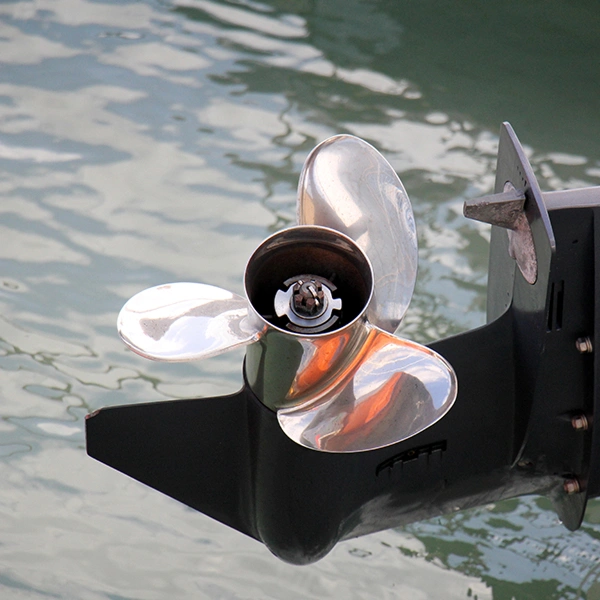
Damaged propellers that go undetected or are repaired slowly may lead to corrosion, and regular sharpening will no longer suffice in reconditioning them. It’s time for new propellers! Corroded bronze cannot be repaired as its chemical specifications no longer match, becoming brittle over time. That is why it is critical that propellers be thoroughly checked prior to each water trip.
An effective approach is to check for nicks, dents, and pitting along the blade edges as a preventative measure against warping, which may affect its balance and reduce efficiency.

Propeller Damaged or Bent Blades
Damaged blades present a serious safety threat and can lead to costly machinery downtime and production disruptions. Monitoring blade deterioration and replacing them when necessary will help minimize disruptions and ensure uninterrupted production runs smoothly. Signs that it’s time to replace your propeller include micro-cracks or fractures on the back of its blade, often caused by improper back-up guide preload, or pushing too far forward against your blade. Here are the most important types of boat props to choose from.
Incorrect Diameter
The diameter of your propeller plays a crucial role in how efficiently your boat performs. If the diameter is too large, the engine may struggle to reach its recommended RPM range, leading to sluggish acceleration and excessive strain on the motor. On the other hand, a propeller that’s too small can cause the engine to over-rev, which not only wastes fuel but also risks long-term engine damage.
Conclusion
Your boat’s propeller might seem like a small component, but it has a big impact on performance. Paying attention to these signs and addressing them early can save you from costly repairs down the road. If your propeller shows visible wear, damage, or just doesn’t perform as it used to, replacement is often the smartest move. With the right prop, your boat will run smoother, respond faster, and deliver better fuel economy.
Get the Right Propeller with Prop Depot
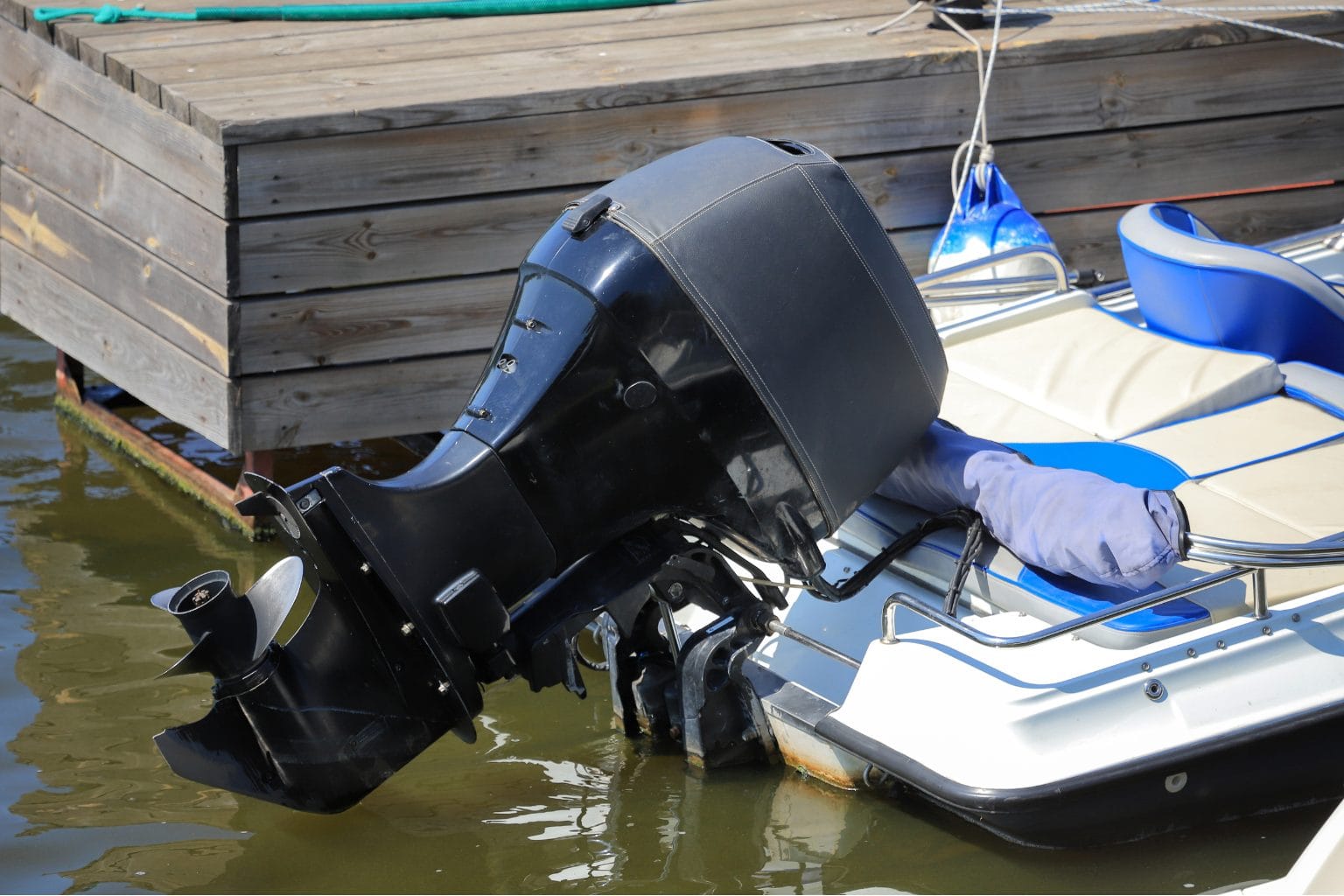
When it’s time to replace your propeller, trust the experts at Prop Depot, with 998 verified Google reviews and a 4.9-star rating. We’ve earned the trust of boaters who expect precision and quality in their new boat propeller. Don’t let a worn or inefficient prop hold you back. Visit Prop Depot today or contact our team for a professional propeller inspection or replacement.