

If your boat feels sluggish when you hit the throttle, you might be blaming the engine. But often, the real culprit is sitting right below the waterline. Choosing the right prop is like picking the right tires for a sports car. It completely changes how your vessel handles the water.
Welcome to our complete guide to Mercury Marine propellers. In this post, we will break down everything you need to know about marine propulsion. You will learn how to maximize fuel economy, increase top speed, and find the perfect match for your boat’s performance goals.
Why Mercury Marine Propellers Dominate the Water
Mercury Marine has been a leader in boat performance for decades. Their secret? Precision engineering and rigorous testing. Mercury Marine propellers are designed to squeeze every ounce of thrust out of your engine. Whether you are cruising with passengers on deck boats or chasing top-end speed, Mercury delivers.
Why? Because they understand that one size does not fit all. Different hull shapes and load weights demand different solutions. Hence, a Mercury propeller is cast with exact specifications to reduce slip and increase efficiency. In fact, upgrading to a perfectly tuned Mercury prop can improve your fuel efficiency by up to 10%. So, your everyday use becomes more affordable.
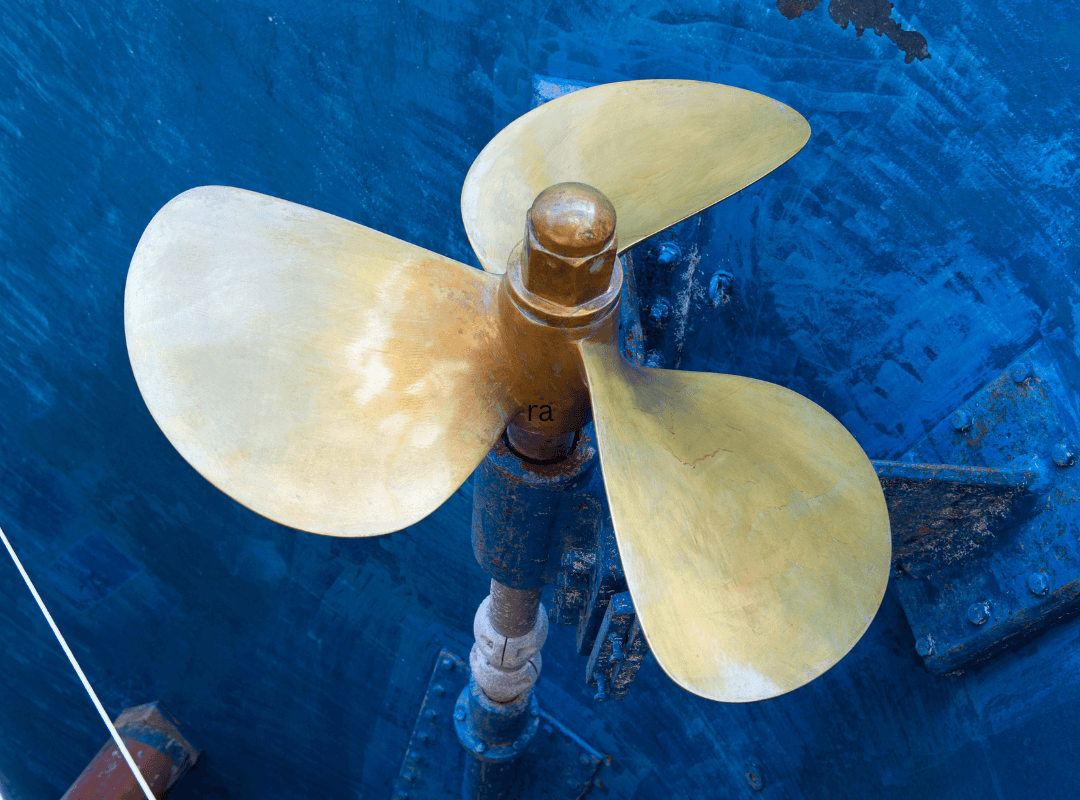
To dive deeper into this comparison, read 3 blade vs 4 blade prop and see which setup works best for your needs.
Matching the Mercury Prop to Your Boat Type
Finding the right setup starts with understanding your specific boat type. A heavy pontoon boat requires a vastly different propeller than a sleek bass boat. Plus, the number of blades matters. A standard 3-blade prop offers great top speed. But a 4-blade Bravo or Spitfire prop provides better grip and low-speed handling.
When you match the blade count and diameter to your load, you reduce vibration and engine wear. A larger diameter prop pushes more water, which is great for heavy boats. You can also explore types of boat propellers to understand how different designs impact performance.
On the flip side, smaller diameter props are built for speed and quick acceleration. Also, you must ensure compatibility with your hub kit. A quality hub kit absorbs shock from minor strikes, protecting your engine shaft from expensive damage.
How to Get the Perfect Hole Shot
If you want to get on a plane instantly, you need to focus on your hole shot. This is the boat’s acceleration from a standstill. For the best hole shot, you generally need a lower-pitch propeller. Pitch is the distance a propeller would move in one revolution through a solid substance. If you want a deeper breakdown, how propeller pitch affects boat performance explains how pitch changes acceleration and speed.
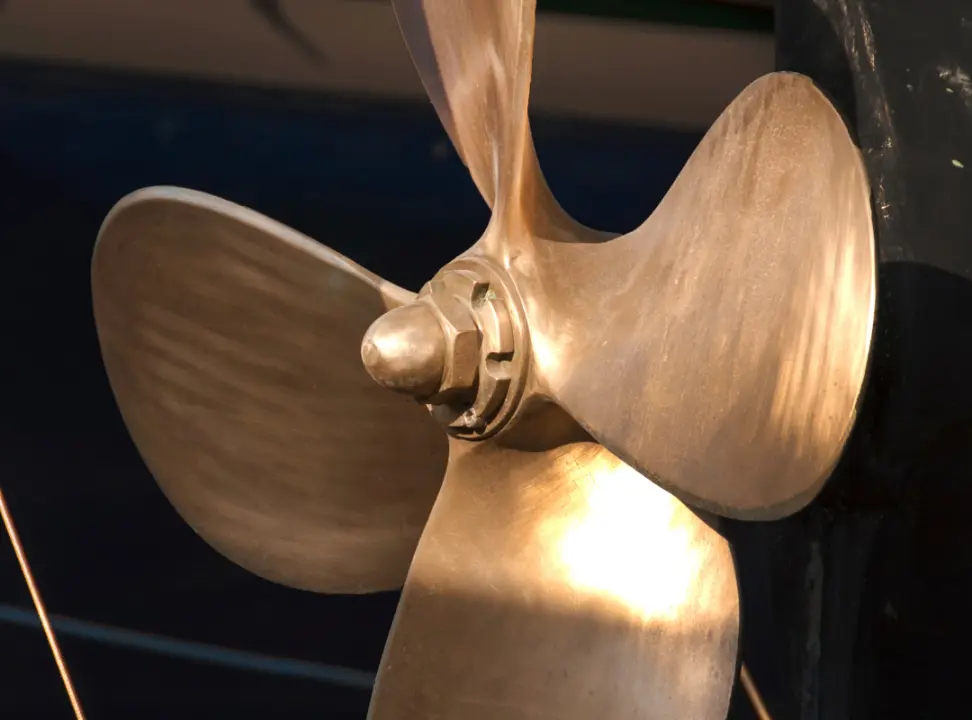
If your boat struggles to get moving, dropping the pitch by 2 inches can significantly increase your acceleration. The results? You get out of the hole faster and enjoy better control. However, a lower pitch will reduce your top speed. It is all about finding the right balance for your everyday boating needs.
Advanced Alloys
Propeller materials make a massive difference in durability and cost. Mercury uses advanced alloys to create props that withstand harsh underwater environments. Stainless steel props are incredibly strong. They resist flexing under high torque, resulting in better performance and reliability. To compare options in detail, check out stainless steel vs aluminum propellers and see which material suits your boating style.
Stainless steel is highly corrosion-resistant, making it ideal for saltwater boaters. While they cost more upfront, their durability pays off. They can survive minor strikes against land or submerged objects much better than softer materials. Then, there is the engineering behind the blades themselves. Thinner blades cut through the water with less drag, increasing your RPM and overall efficiency.
Aluminum Propellers
If you want an affordable replacement, aluminum propellers are the go-to choice for most boaters. They are fantastic for everyday use and casual fishing. While they might flex slightly more than stainless steel under heavy load, modern aluminum options like the Spitfire are surprisingly efficient.
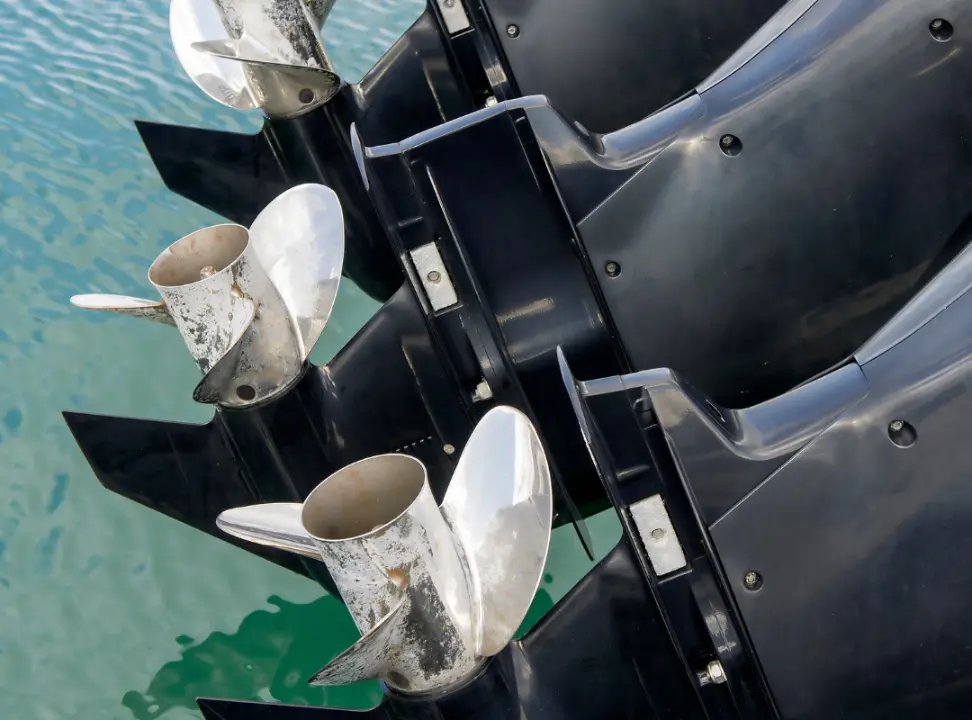
Aluminum is designed to break if you hit a hard object. While that sounds bad, it actually acts as a safety mechanism. The prop takes the damage, so your expensive engine shaft and lower unit do not. Plus, you can easily swap it out using a standard socket and nut. It is always smart to keep a spare aluminum prop on board just in case. Also, knowing what the signs that I need a new propeller are can help you avoid unexpected breakdowns on the water.
Finding the Right Propeller for WOT RPM
Your engine is designed to operate within a specific Wide Open Throttle (WOT) RPM range. This is usually between 5000 and 6000 RPM, depending on the motor. Finding the right propeller keeps your engine in this sweet spot.
Increasing pitch lowers your WOT RPM. Decreasing pitch raises it. If you have a higher pitch prop than necessary, your engine will lag, burning excess fuel and stressing the internal parts. If the pitch is too low, you risk over-revving, which can cause catastrophic engine failure. So, you must test your boat at full throttle under normal load conditions to accurately adjust your setup.
Final Thoughts
Your propeller is the final link between engine torque and the water. Understanding pitch, diameter, rotation, and materials gives you full control of your vessel. Whether you want to improve fuel economy, reduce slip, or just enjoy a smoother ride, the right Mercury propeller makes all the difference.
Buy the Best Mercury Propellers at Prop Depot Today
Want to choose the best Mercury propeller for your boat? Prop Depot is your one-stop marine prop shop in the USA, offering a massive selection of new aluminum propellers, accessories, and repair services from top brands like Mercury, SOLAS, ACME, and more.
Need a performance outboard prop, a stern drive prop, or a ski/wake boat prop? You’ll find quality products at great prices. Contact us now!
FAQs
What is the best way to choose a propeller for my boat?
Will a 4-blade prop improve my fuel economy?
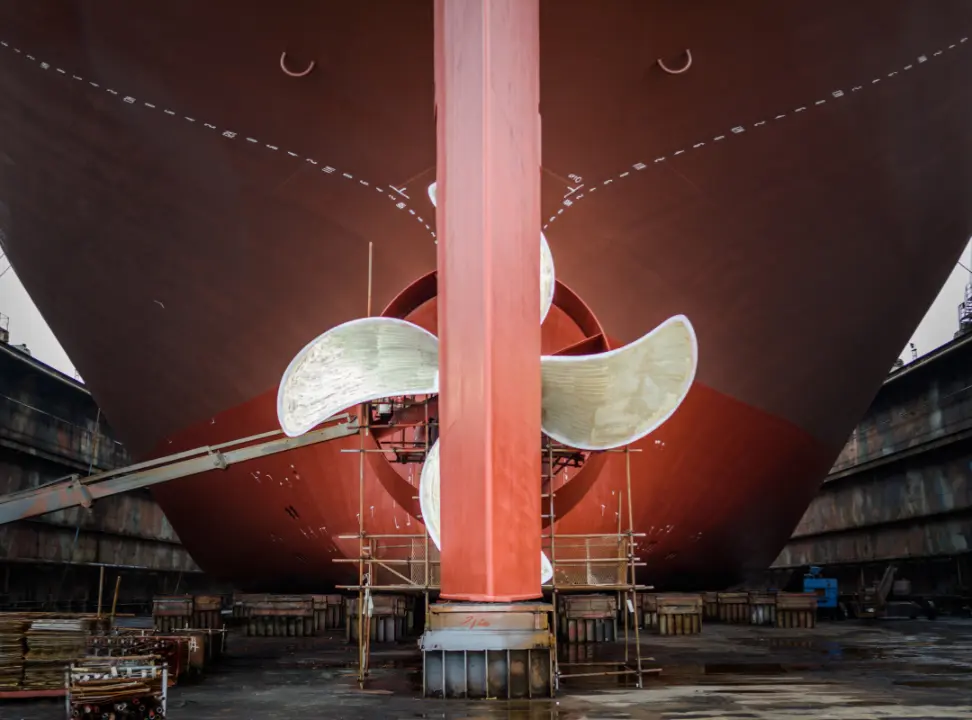
Yes, it often can. 4-blade propellers provide better grip and reduce slip, so your engine doesn’t have to work as hard to maintain cruising speed. Customers at our Prop Depot Clarksville location frequently report better mid-range fuel efficiency after switching from a standard 3-blade setup.