

If you’ve ever stood at the dock staring at your boat propeller and wondering whether it’s really the right prop, you’re not alone. Getting prop size and pitch right is one of the most important steps for solid boat performance. It affects everything from hole shot to top speed, fuel efficiency, and even engine health. We talk about this a lot with boat owners at Prop Depot. It usually starts with a simple question, but the answer depends on a few key details about your boat, engine, and how you use them. Let’s get into the details.
What Do Propeller Diameter & Pitch Mean?
When people ask how to determine prop size and pitch, they’re really asking about two numbers. Propeller diameter is the distance across the circle made by the blade tips as the prop rotates. A larger diameter prop moves more water, which means more thrust. That’s helpful for a heavy boat or when you need strong acceleration.
Propeller pitch is the distance the prop moves forward in one revolution, assuming no slip. Think of it as the theoretical distance the prop travels. A higher pitch prop moves farther per turn, which can increase top speed. A lower-pitch propeller provides more thrust and better low-speed control.
The combination of diameter and pitch is what defines your prop specs. Both numbers need to match your engine power and boat setup. If you want a deeper breakdown of how these measurements impact performance, check out our guide on how propeller pitch affects boat performance.
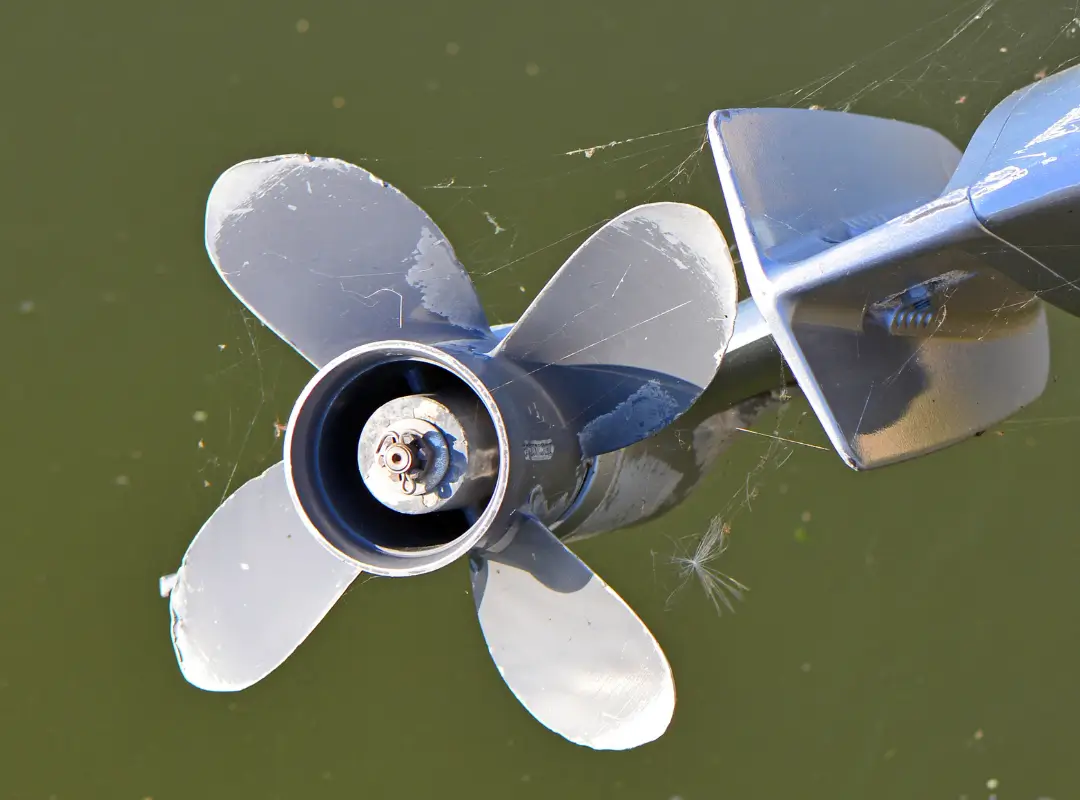
Why Does Prop Pitch Matter for Boat Performance?
Pitch directly affects engine speed and how your engine operates within its recommended RPM range. If you run too much pitch, the engine struggles to reach its target WOT RPM. That puts strain on the engine and can lead to long-term engine damage. You may notice sluggish acceleration and a poor hole shot.
If you run too little pitch, the engine revs too high and may exceed max RPMs. That might feel quick at first, but it can reduce engine life and hurt fuel efficiency. The goal is to match your prop pitch so your engine reaches its target WOT RPM at wide-open throttle. You can also calculate performance efficiency using prop slip calculation to better understand how your prop is performing on the water.
How Do You Find the Right Prop Size?
Start with what the engine manufacturer recommends. Your owner’s manual will list a recommended RPM range for wide-open throttle. Most boats are designed to perform best within that range.
From there, look at your current propeller.
- Check the diameter and pitch stamped on the hub
- Note your WOT RPM and boat speed
- Pay attention to how the boat feels during acceleration
If you’re still unsure, our guide on choosing a propeller walks through everything from boat type to engine specs.
If your engine is below the RPM range, you likely need a lower-pitch prop. If it’s above the range, you’ll want a higher pitch. At Prop Depot, we usually tell customers to adjust pitch in small steps. A change of 1 inch in pitch typically changes engine RPM by about 150-200.
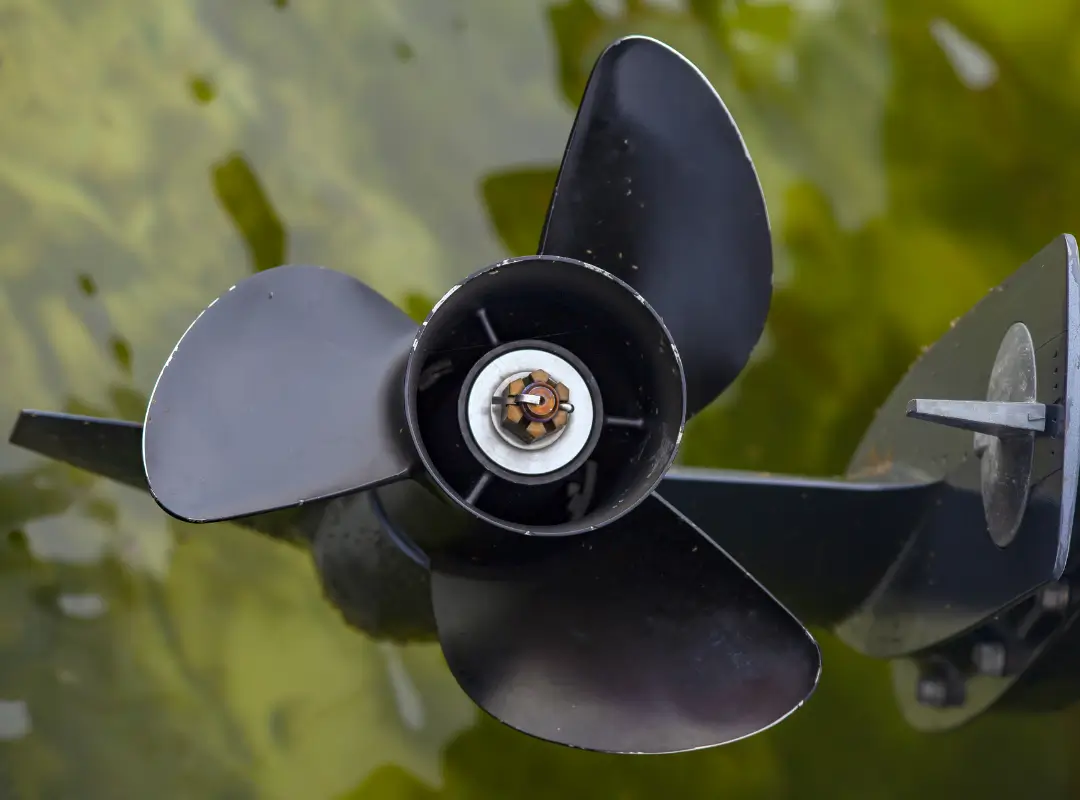
How Does Diameter Affect Performance?
Diameter doesn’t get as much attention as pitch, but it matters just as much. A larger-diameter prop moves more water, which increases thrust. That’s useful for:
- Heavy boats
- Pontoon setups
- Watersports like slalom skiing
A smaller-diameter prop reduces drag and can help improve speed on lighter, faster boats. You usually don’t change diameter as often as pitch, since it’s more tied to the engine and gear case design. Still, it’s part of the full picture when dialing in the perfect propeller.
How Do You Use WOT RPM to Choose the Right Pitch?
This is where things get practical. Take your boat out in good conditions and run it at wide open throttle. Watch your tachometer and note the WOT RPM. Now compare that number to your engine’s recommended operating range.
- If RPM is too low, your prop pitch is too high
- If RPM is too high, your prop pitch is too low
This test tells you exactly how your current prop is affecting engine speed. A lot of boat owners skip this step and guess. That’s where problems start. Getting real numbers is the only reliable way to find the right pitch. Understanding engine differences can also help with prop selection, especially when comparing setups like 2 stroke engine vs 4 stroke.
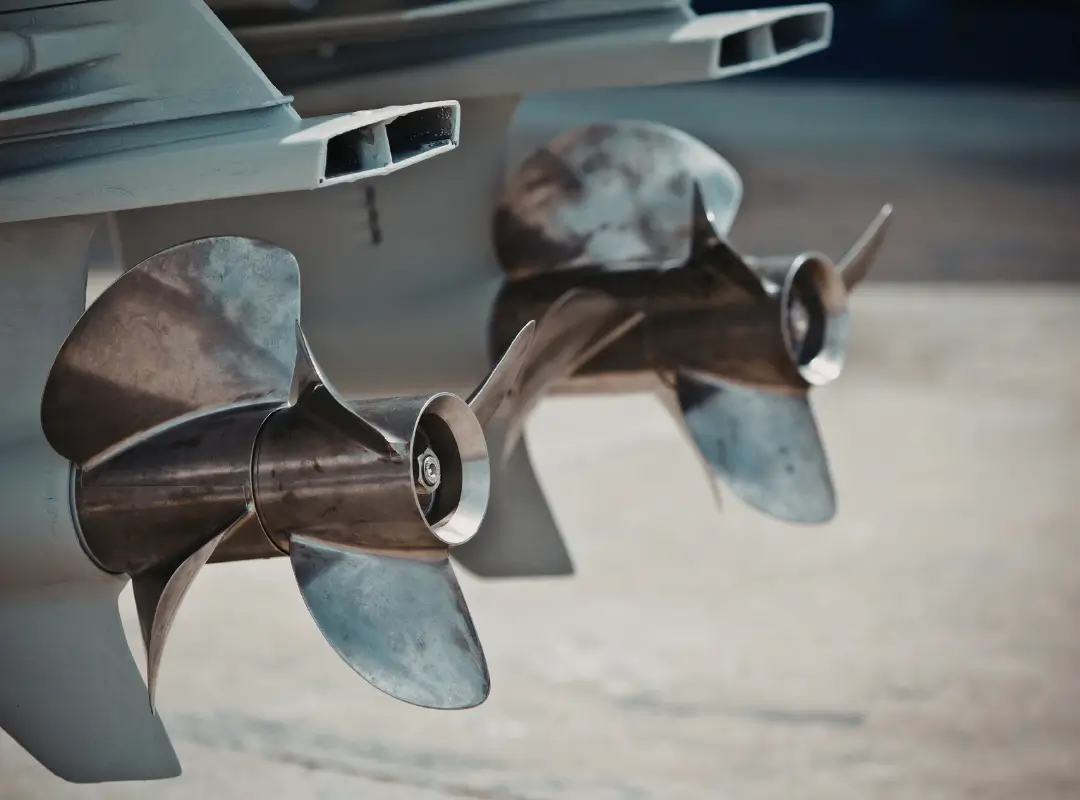
What Role Do Propeller Blades and Design Play?
Not all props are the same, even with identical diameter and pitch. Propeller blades vary in shape, blade angle, and surface area. These differences affect how the prop grabs water and how efficiently it transfers engine power. For example:
- More blades can improve smoothness and holding power
- Fewer blades can increase top-end speed
- Blade design affects how water flows off the trailing edge
If you’re deciding between blade counts, our guide on 3 blade vs 4 blade prop breaks down performance differences in detail. Material also matters. Stainless steel props are stronger and flex less than aluminum, which means better performance and durability. They often deliver better speed and fuel efficiency, especially at higher engine RPM.
When Should You Replace Your Existing Prop?
Sometimes the issue isn’t pitch or diameter. It’s the condition of the prop itself. A damaged propeller can reduce speed, increase vibration, and hurt fuel efficiency. Even small dings on the blade tips or trailing edge can make a difference. Consider a new propeller if:
- You see visible damage
- Your boat’s performance has dropped
- You’ve changed the engine or boat setup
If you’re noticing performance issues, review the signs to get a new propeller to confirm if it’s time for a replacement. We’ve seen many cases in our Propeller shop in Clarksville where switching to a new prop completely changed how a boat performs.
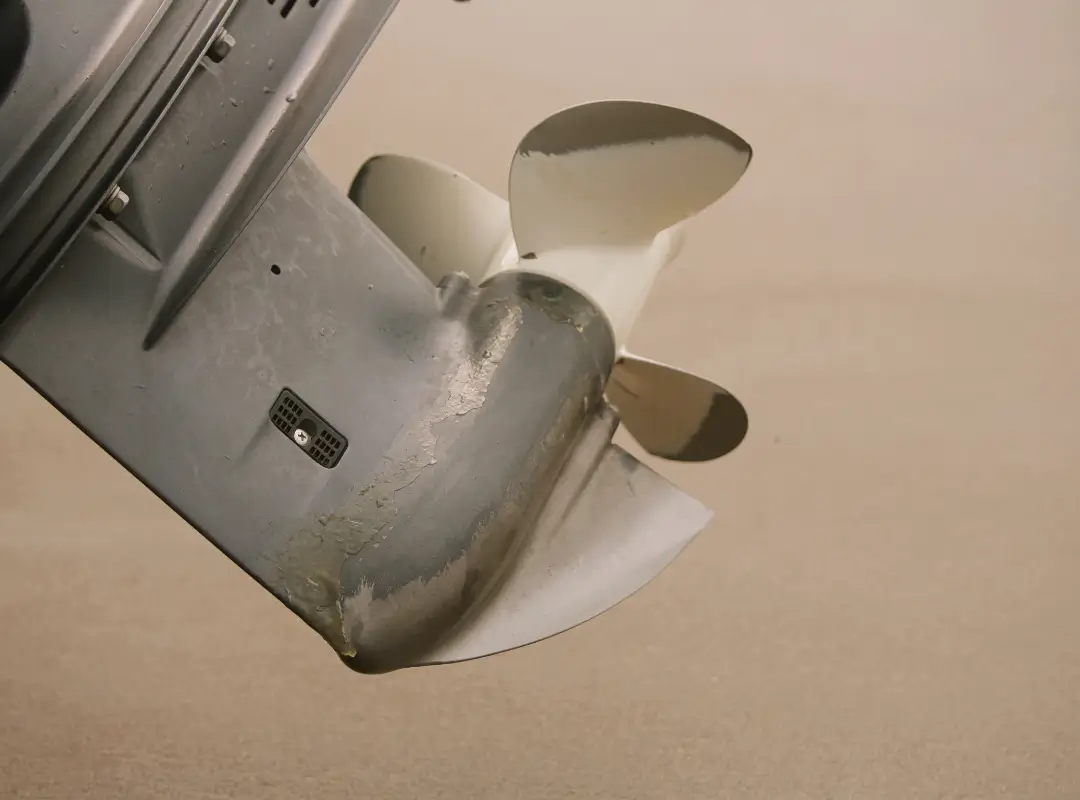
Can You Choose a Prop Based on How You Use Your Boat?
Absolutely. Your usage matters just as much as your engine specs. If you’re chasing top speed, you’ll lean toward a higher pitch prop. If you want a better hole shot for towing or skiing, a low-pitch prop is usually the better choice. For general cruising, you want a balance that keeps your engine within the proper RPM range while maintaining good fuel efficiency.
There’s no single perfect prop for every situation. It’s about finding the right propeller for how you actually use your boat.
Conclusion
Determining prop size and pitch isn’t guesswork. It’s a mix of understanding your propeller, measuring engine RPM, and matching everything to your boat’s needs.
When you get it right, the difference is clear. Better acceleration, smoother operation, improved fuel efficiency, and a boat that feels dialed in. If your current prop isn’t delivering, it’s worth taking a closer look. A small change in pitch or diameter can make a big difference in overall performance.
Looking for the Right Prop? Talk to Prop Depot
If you’re trying to find the perfect propeller, we’re here to help. At Prop Depot, we offer a wide range of boat propellers, including stainless steel props, aluminum propeller options, and performance setups for different boating needs. We also help match prop specs to your engine and usage so you get optimal performance. We also offer used propellers, boat prop repair, and marine accessories for sale.
You can contact us at (865) 673-8171 or visit our office at 1404 Galway St., Knoxville, 37917
FAQs
Below, we’ve addressed some common questions about propeller size and pitch.
Q: How do I know if I have too much pitch on my prop?
A: If your engine cannot reach the recommended WOT RPM and feels sluggish, you likely have too much pitch.
Q: What happens if the prop pitch is too low?
A: The engine may exceed its max RPMs, which can reduce engine life and hurt fuel efficiency.
Q: Does prop diameter affect speed?
A: Yes. A larger diameter prop increases thrust but may add drag, while a smaller one can help with higher speeds on lighter boats.
Q: Can changing prop pitch improve the hole shot?
A: Yes. A lower pitch prop generally improves the hole shot by allowing the engine to reach higher RPMs more quickly.
Q: Where can I get help choosing the right prop in Tennessee?
A: You can contact Prop Depot in Asheville, Tennessee. We help boat owners select the right propeller based on real performance data.