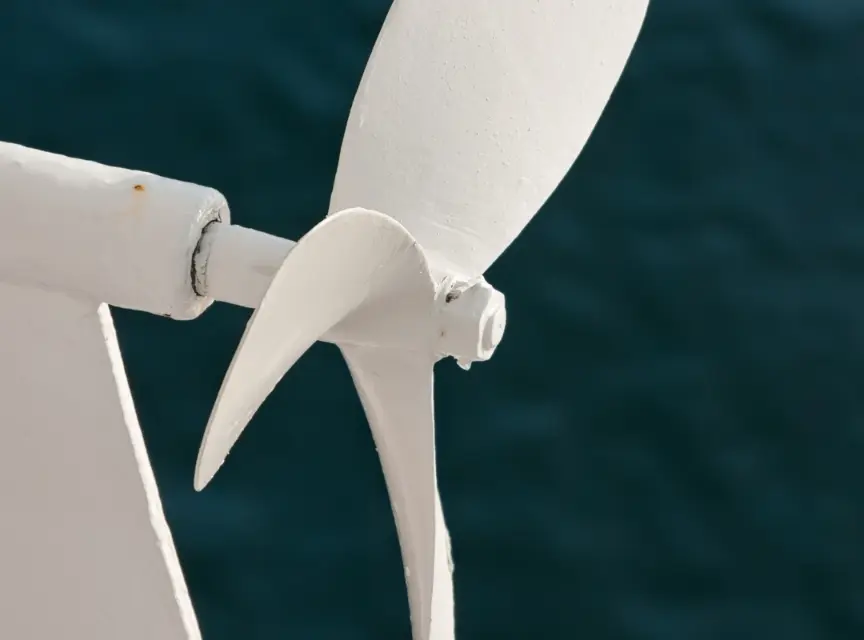
Removing an inboard boat propeller should never be done with random pry bars, hammers, or improvised tools. A stuck prop can be expensive, and one wrong move may damage the prop hub, shaft, strut, or threads at the end of the shaft. That is why many boat owners use an ACME prop puller for safe and controlled prop removal.
Why Use an ACME Prop Puller?
A propeller can seize onto the taper of the shaft over time. Water exposure, corrosion, and pressure between the shaft and hub can lock the fit tightly. Pulling by force or striking the blades can bend the prop or harm drivetrain components.
An acme prop puller is designed to grip the prop hub, while a central prop puller bolt presses against the shaft. As tension increases, the prop slides free in a controlled way.
Benefits include:
- Reduced risk of propeller damage
- Better protection for shaft threads
- Safer than hammer-based removal
- Cleaner removal on tight-fitting hubs
- Useful for routine service and upgrades
ACME Marine is known in the USA for quality propeller products and service tools. Their puller systems are designed to apply even pressure along the shaft axis, helping remove a prop without shock damage. If you maintain a ski boat, wake boat, tow boat, or other inboard setup, learning how to use a prop puller correctly can save time and repair costs.
At Prop Depot, we regularly help owners choose the right propeller tools and replacement hardware. Safe removal starts with the right method.
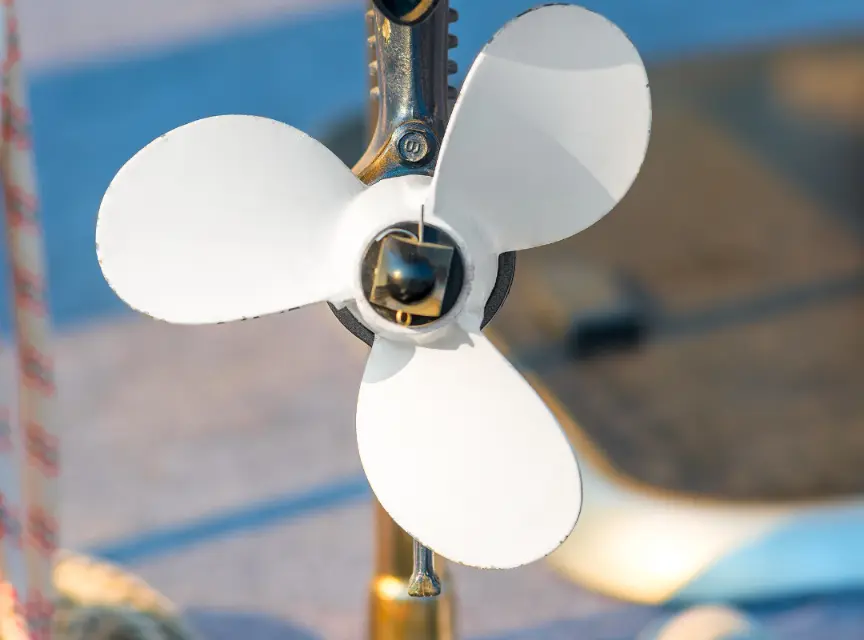
What Tools Do You Need First?
Before starting, gather everything so the job moves smoothly. Use the correct tool sizes for your setup.
Recommended items:
- ACME prop puller
- Proper wrench or socket for the prop nut
- Needle-nose pliers for the cotter pin
- Marine grease for reinstallation
- Clean rag
- Safety glasses
- Gloves
Some setups may use a special nut kit or a non-standard nut, so verify hardware before starting.
How Do You Prepare for Prop Removal?
Safety starts before the puller touches the boat propeller. Make sure the engine is off, the key removed, and the battery disconnected if needed. If the boat is on a trailer, ensure it is stable and parked securely. Inspect the area around the propeller. Look at the shaft, strut, and blades for visible damage. If the fishing line is wrapped near the forward end of the prop hub, remove it first.
Next, straighten and remove the cotter pin from the shaft. Then loosen the prop nut with the correct wrench. In many cases, it is smart to leave the nut threaded on a few turns during removal. This helps stop the prop from jumping off suddenly when it breaks loose.
At Prop Depot, we often recommend taking a quick photo of the hardware order before removal. It helps during installation.
How Do You Position the ACME Prop Puller?
Correct positioning is important. Place the puller fingers or jaws behind the barrel portion of the prop hub. They should sit evenly and securely, not on the blades. Line up the center bolt with the exact center of the shaft axis. If your model uses a puller bolt cap, install it over the shaft end first. The cap protects threads while the bolt applies pressure.
Check that the puller is square and centered. If the tool is crooked, pressure may load unevenly and increase the chance of damage.
How Do You Remove the Prop Safely?
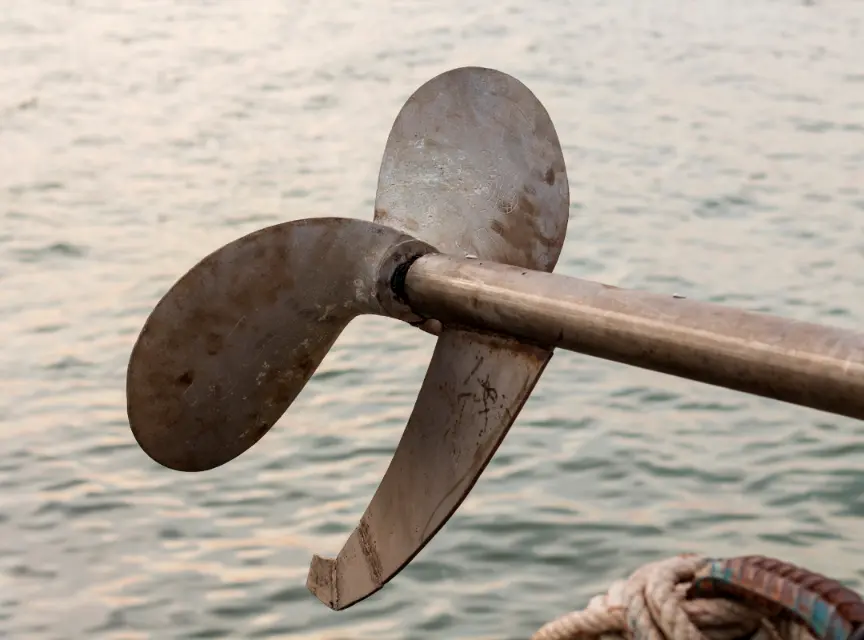
Once the puller is set, begin tightening the prop puller bolt slowly with a wrench. Use steady pressure. Do not rush the process. As tension builds, the taper fit between the shaft and prop hub will release. Sometimes the prop slides free quietly. On stubborn props, it may release with a pop. That is normal when tension breaks the fit.
Keep your hands clear of pinch points and avoid standing directly behind the propeller. If the prop nut is left on loosely, it helps catch movement.
Important reminders:
- Tighten gradually
- Recheck alignment often
- Never strike prop blades with a hammer
- Stop if the puller slips
- Protect the haft threads with the cap
If corrosion is severe, a penetrating lubricant on the shaft taper may help. Give it time before reapplying pressure.
What If the Prop Is Still Stuck?
Some props stay tight after years in service. If the prop does not move, release pressure and inspect the setup again. Make sure the fingers are fully seated and the center bolt is contacting the shaft correctly.
Check for issues like:
- Wrong max opening for your prop hub
- Incorrect bolt size
- Puller not centered
- Damage to the shaft threads
- Hardware is still holding the prop in place
Do not over-force a tool beyond its designed range. If you have a larger opening requirement or unusual hub lengths, use the correct model.
How Do You Inspect Parts After Removal?
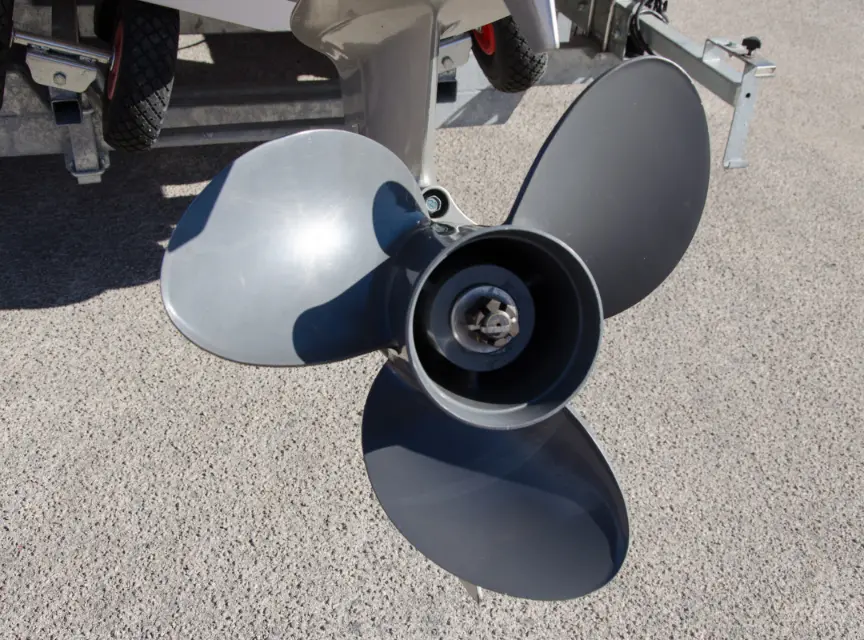
Once removed, inspect the shaft taper, keyway, and key. Look for burrs, rust, or galling. Check the propeller bore for wear. If the prop suffered a previous hit, now is the right time to assess balance or repair needs. Clean the propeller shaft and mating surfaces before reinstalling any propeller. A light coat of approved lubricant or anti-seize may be used only if recommended by your manufacturer.
At Prop Depot, we help customers inspect damaged props and match replacement options from trusted brands.
How Do You Reinstall the Prop Correctly?
Slide the key into place and align the propeller with the shaft. Push the prop forward by hand onto the taper. Install the washer and nut, then torque to the manufacturer’s specification. Insert a new cotter pin after tightening. Never reuse badly worn hardware. Fresh nuts, washers, and pins are low-cost protection.
Why Choose the Right Puller Instead of Improvised Methods?
A C clamp, pry bar, or random shop tool is not a proper substitute for a marine puller. Improvised pressure can crack hubs, bend blades, or damage the shaft aft section. A purpose-built puller is designed for marine geometry, clearances, and controlled load. That is why many serious owners keep a prop puller in stock with onboard tools or trailer gear.
Conclusion
Using an ACME prop puller is the safest and most practical way to remove an inboard boat propeller. The tool applies even pressure to free the prop without damaging the hub, shaft, or surrounding hardware. Prepare the boat, remove the cotter pin and prop nut, align the puller correctly, and tighten slowly. Safe prop removal protects expensive drivetrain parts and makes future maintenance easier.
Need Props, Tools, or Repair Help?
Prop Depot supports boat owners across the USA with propeller sales, prop repair, balancing, diagnostics, hardware, and marine accessories. We carry brands like ACME, OJ, Mercury, Quicksilver, Solas, and PowerTech. Need help finding the right product or tool? Call (865) 673-8171 or visit us in Knoxville, Tennessee. We sell and repair props from all over the country, and our team is ready to help with your next upgrade or repair. Contact us today for more information.