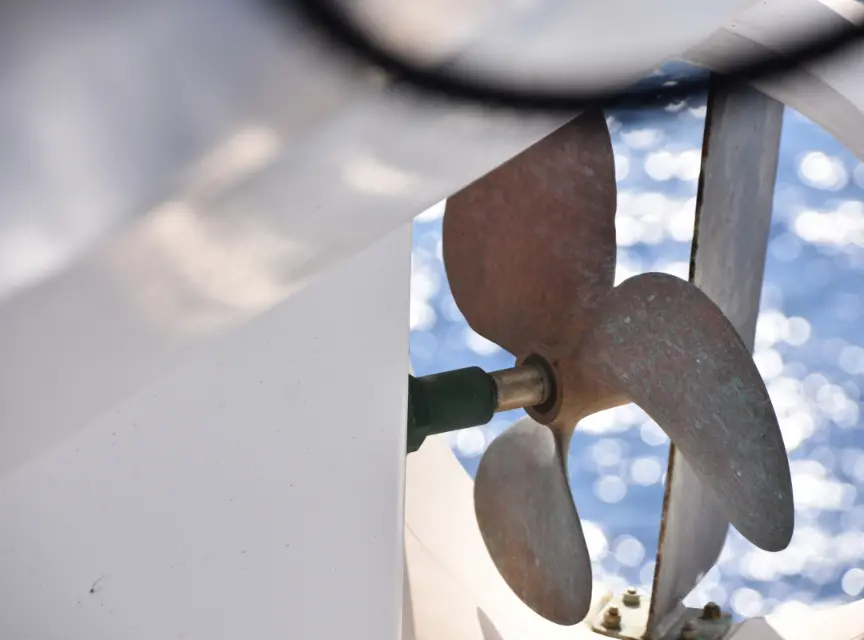
Boat owners often want better acceleration, stronger cornering grip, and cleaner overall performance without moving to an expensive stainless prop. That is exactly why the Mercury Spitfire propeller has become a popular upgrade across the USA. It is widely used on aluminum fishing boats, pontoons, runabouts, inflatables, and smaller outboard-powered recreational rigs.
The Mercury Spitfire is a high-performance 4-blade aluminum propeller built by Mercury Marine. It was engineered to deliver a strong hole shot, confident handling, and competitive top-end speed in an affordable package. For many owners, it offers a practical step up from a basic stock 3-blade prop.
At Prop Depot, we help customers choose props based on real performance goals. If you want faster planning and better control, the Spitfire deserves attention.
Why Is the Mercury Spitfire Popular?
The Spitfire gained popularity because it combines performance-focused design with aluminum propeller value. Mercury uses advanced engineering and a proprietary aluminum alloy often referred to as Mercalloy®, allowing thinner blades that remain durable. Thinner blades can create less drag, which supports stronger speed and response.
Unlike many standard aluminum props, the Spitfire uses aggressive geometry with more blade area and cup. This helps the prop stay hooked up during turns and acceleration.
Popular uses include:
- Aluminum fishing boats
- Pontoon boats
- Inshore fishing rigs
- Offshore fishing support boats in smaller classes
- Runabout and cuddy models
- RIB and inflatable boats
How Does the 4 Blade Design Improve Acceleration?
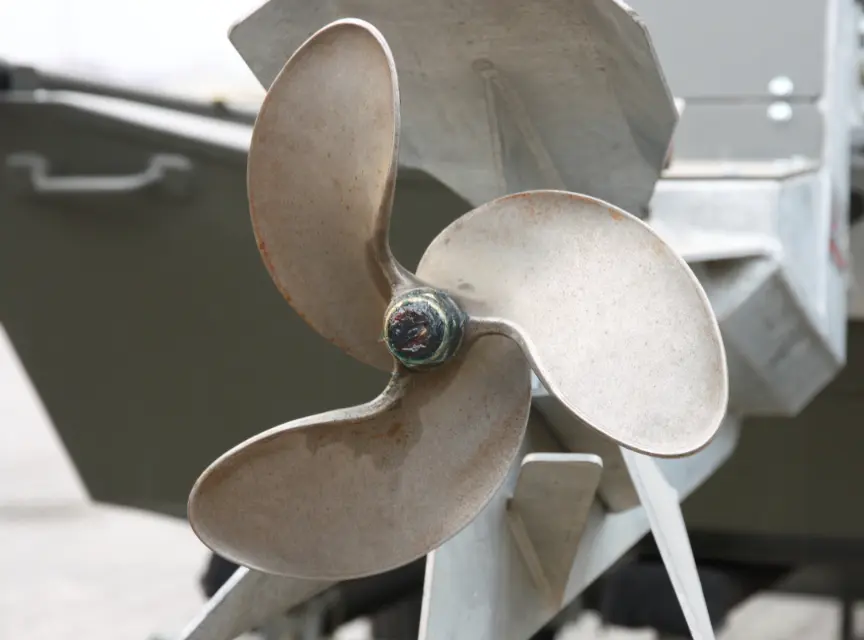
One of the biggest selling points of the 4-blade Spitfire is the hole shot. Hole shot describes how quickly a boat gets on plane from idle. More blade area in the water can improve bite and reduce slip during launch.
Mercury has promoted the Spitfire as offering faster boat acceleration than many comparable 3-blade aluminum props. In real use, owners often notice quicker response when carrying passengers, gear, or livewell weight.
Benefits of the 4-blade setup include:
- Faster planning time
- Stronger mid-range pull
- Better grip when trimmed in
- Smoother towing starts for watersports
At Prop Depot, many pontoon and fishing boat owners ask for better launch performance before anything else. This prop often fits that goal.
Does the Mercury Spitfire Help Top Speed?
Yes, but results depend on the setup. A common concern is whether a 4-blade prop loses too much top speed compared with a 3-blade model. In some applications, a 3-blade may still edge out peak numbers. However, the Spitfire is designed to remain competitive at the top end while improving handling and acceleration.
Because of its thinner blades and efficient diameter options, many users achieve solid cruising efficiency and a respectable top-end speed. On some hulls, gains over a worn or poorly matched stock prop can be noticeable.
The best approach is matching pitch, diameter, and engine RPM range correctly.
How Does It Improve Handling in Turns?
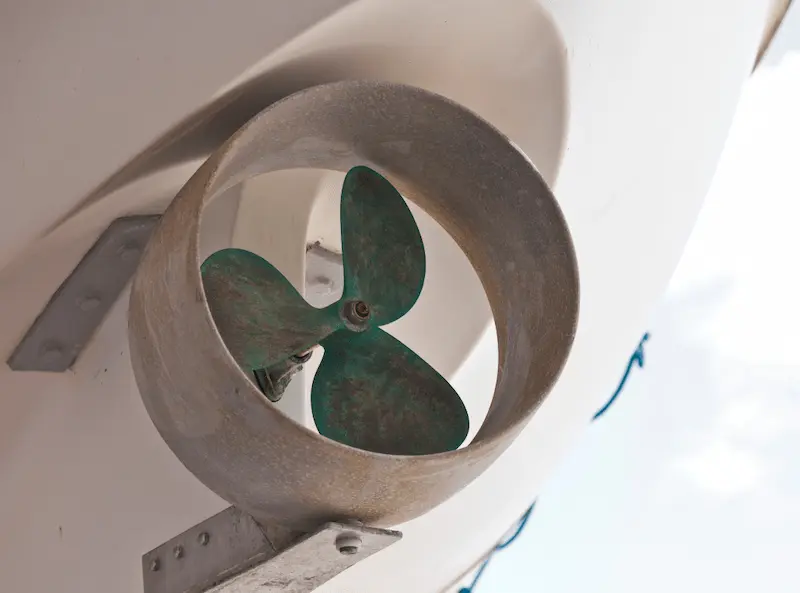
Handling is where the Spitfire often stands out. The extra blade and added cup help the prop stay loaded in sharp turns. That means a lower chance of a blowout or of ventilation when cornering hard.
Boaters may notice:
- Better grip in turns
- More stable steering feel
- Cleaner tracking in chop
- Stronger reverse control at the docks
For anglers moving through tight channels or families operating around marinas, confident handling matters as much as speed and fast numbers on a GPS screen.
Is It Good for Pontoon Boats?
Yes. The Mercury Spitfire is one of the more common upgrades for pontoon owners looking for better usable performance. Pontoons often carry people, coolers, gear, and water toys. That added load can expose a weak hole shot from basic stock props.
A Spitfire can help many pontoon boats with:
- Quicker lift onto the plane
- Better mid-range cruise response
- Improved handling in turns
- Stronger pull for tubing
At Prop Depot, pontoon owners are among the most common customers seeking a prop change that feels noticeable right away.
What About Fishing Boats and Utility Boats?
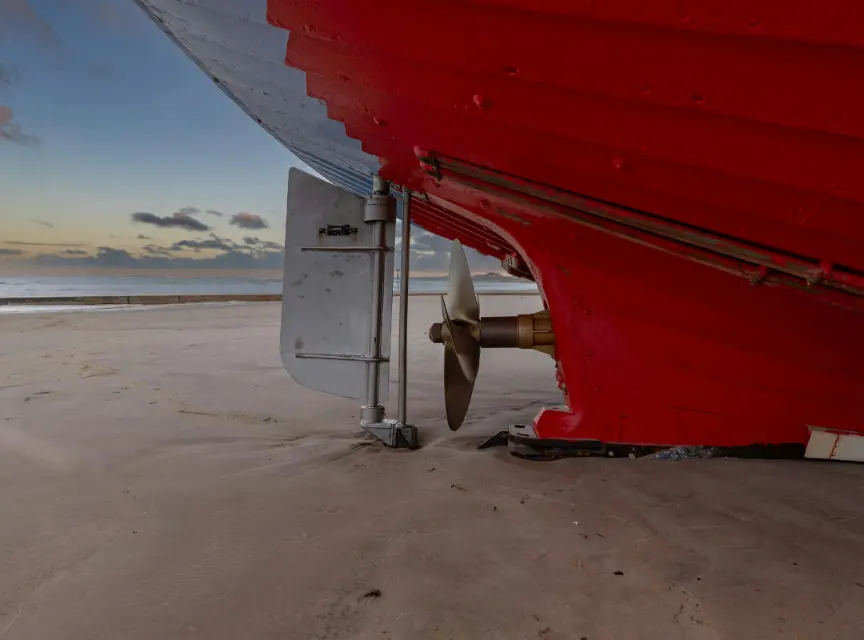
The Spitfire is highly regarded on multi-species fishing boats and utility aluminum hulls. These boats often run moderate-horsepower engines, where every gain matters. Better acceleration helps when crossing chop, changing spots quickly, or carrying tackle and batteries.
For inshore fishing, shallow bays, and lake use, the prop gives strong all-around performance. Mercury also offers specialized versions, such as the Spitfire X7 and XP models, for certain applications and engine ranges.
Which Engines Fit the Mercury Spitfire?
Spitfire models are commonly used on outboards from smaller horsepower ranges up into mid-range engines, depending on hub system and propeller pitch availability. Many setups use the Flo Torq hub system, which helps absorb impact and simplify fitment.
Always verify:
- Engine horsepower
- Gearcase type
- Shaft spline count
- Recommended RPM range
- Right-hand rotation needs
Choosing the wrong pitch can hurt both speed and acceleration.
Is Aluminum Better Than Stainless Here?
Stainless steel props remain a premium choice for many high-horsepower boats, but aluminum still offers strong value. The Spitfire was designed to bring near-premium performance traits into a more budget-friendly aluminum package.
Advantages include:
- Lower cost than many stainless props
- Lighter weight
- Easier replacement after impact
- Strong all-around recreational performance
If you fish rocky lakes or shallow areas where a prop may get hit, aluminum can be a practical option.
How Do You Choose the Right Pitch?
Pitch affects RPM and performance. Lower propeller pitch usually improves acceleration. A higher pitch can support more speed if the engine has enough power. If your current engine cannot reach the recommended RPM, the pitch may be too high.
At Prop Depot, we help customers compare current prop numbers, boat type, load, and engine data so the next prop is chosen the first time.
Conclusion
The Mercury Spitfire propeller remains one of the best aluminum upgrade choices for owners who want better acceleration, stronger handling, and dependable all-around performance. Its 4-blade design improves hole shot, turning grip, and low-speed control while still offering competitive top-end speed. For fishing boats, pontoons, runabouts, and many smaller outboards, it is a smart and proven upgrade.
Need Help Choosing the Right Mercury Spitfire?
Prop Depot supports boaters across the USA with propeller sales, repairs, reconditioning, balancing, hub kits, and setup guidance. We carry Mercury, Mercury Racing, ACME, Solas, PowerTech, Quicksilver, and more. Need the right pitch or fitment? Contact us at (865) 673-8171 or visit our shop at 1404 Galway St., Knoxville, 37917.