
What Propeller Works Best for Wakeboarding and Water Sports?
Choosing the right propeller for wakeboarding and water sports can completely change how your boat feels on the water. Unlike cruising or top-speed boating, activities like wakeboarding, wake surfing, and slalom skiing put very specific demands on a boat propeller. Many boat owners assume the prop that came from the factory is the perfect prop, but that’s not always the case once your boating style evolves. Understanding what propeller works best for wakeboarding and water sports starts with understanding how propeller diameter, pitch, blade count, and design affect your boat’s performance.
Why Wakeboarding & Water Sports Need a Different Prop
Wakeboard boats and surf boats operate very differently from recreational runabouts. These boats spend most of their time pulling riders from a dead stop, holding steady speeds, and pushing heavy ballast systems through the water. That changes everything about what the right boat propeller should do.
Instead of prioritizing top speed or fuel efficiency at cruising speed, water sports demand greater thrust, better acceleration, and stable engine RPM at lower operating speeds. The wrong propeller can struggle to plane, feel sluggish, or constantly hunt for speed when towing a rider.
The following are a few factors that work best for wakeboarding and water sports propellers.
Lower Pitch Prop
One of the biggest differences between a general-purpose prop and a wakeboarding prop is pitch. Propeller pitch refers to how far the propeller moves forward with each rotation. A higher-pitch prop is designed for higher top-end speed, while a lower-pitch prop sacrifices speed for acceleration and pulling power.
For wakeboarding and wake surfing, a lower-pitch prop is usually the better option. It allows the engine to rev more easily, providing faster hole shots and more consistent pulls. If the pitch is too high, the boat may struggle to get on plane, especially with full ballast and multiple riders. That’s why many wakeboard boats see a noticeable improvement in boat performance after switching to a propeller with a lower pitch than their original setup.
Large Diameter for Extra Thrust
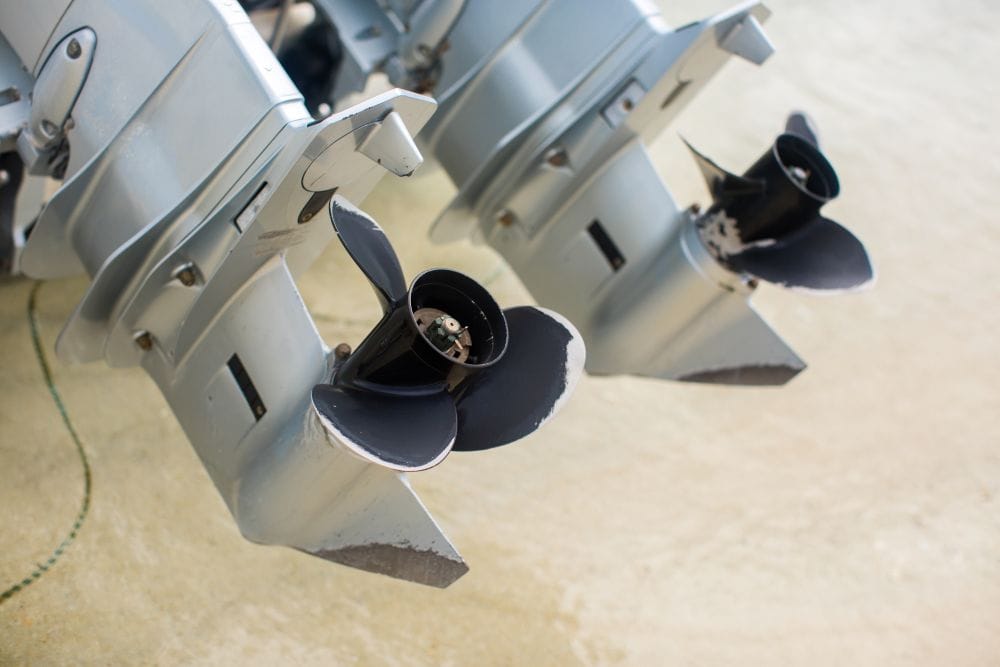
Propeller diameter plays a major role in how much water the prop moves. A larger-diameter propeller pushes more water per rotation, resulting in more thrust. For wakeboarding, that extra push is exactly what helps the boat pull riders smoothly and maintain speed without bogging down.
A larger diameter prop combined with a lower pitch is often ideal for water sports. This setup improves acceleration, reduces strain on the motor, and helps the boat stay locked into the correct towing speed. While it may slightly reduce top-end speed, that trade-off is usually worth it for better performance where it matters most.
4-Blade Prop
Blade count is another key factor when selecting the right propeller. A traditional 3-blade prop is efficient and offers good speed, but 4-blade designs have become increasingly popular for wakeboard boats.
A 4-blade propeller typically provides better grip in the water, more thrust at low speeds, and smoother acceleration. This makes it easier to maintain steady speeds while towing and improves control when ballasted. 4-blade props also tend to reduce vibration and prop slip, which helps deliver a smoother ride for riders.
While 3-blade props can still work well in some setups, many wakeboarding applications benefit from the added control and pull of 4-blade props.
Cupping & Blade Design
Cupped propellers are another popular choice for water sports. The cupping at the blade tips helps hold water better, reducing slip and improving acceleration. This design can also improve how well the prop grips during sharp turns and heavy load conditions.
Propeller blade shape, thickness, and angle all contribute to the prop’s thrust efficiency. A well-designed propeller for your boat will help the engine stay in its optimal operating range, even when pulling a rider out of the water or maintaining speed during long wakeboarding sessions.
Matching the Prop to Your Boat & Engine
There is no single “best boat prop” that works for every boat. The ideal propeller depends on your boat’s weight, engine horsepower, gear ratio, and intended use. Wakeboard boats like Supra boats, for example, often benefit from propeller setups designed specifically for heavy ballast and tow sports.
Altitude also matters. Boats operating at higher altitudes lose engine power due to thinner air, which makes a lower-pitch prop an even better choice. The right propeller compensates for that power loss and helps maintain performance.
Matching the prop correctly makes sure the engine reaches wide-open throttle RPM without overworking or underperforming.
Performance vs Fuel Economy
It’s natural to worry about fuel economy when switching to a lower pitch or larger diameter prop. While fuel efficiency at top speed may decrease slightly, many boaters actually notice better fuel economy at wakeboarding speeds.
That’s because the engine isn’t struggling. A boat propeller that provides more thrust allows the engine to operate more efficiently in the RPM range where water sports take place. Less strain means smoother power delivery and often more consistent fuel consumption.
Signs You’re Running the Wrong Prop
If your boat struggles to pull riders, takes too long to plane, or feels sluggish when weighted down, it may be time for a new propeller. Other signs include excessive engine RPM without matching acceleration, inconsistent towing speed, or poor throttle response.
Many boat owners don’t realize how much difference the right prop can make until they feel it firsthand. Switching to a propeller designed for wakeboarding often transforms the entire riding experience.
When to Replace Your Current Prop
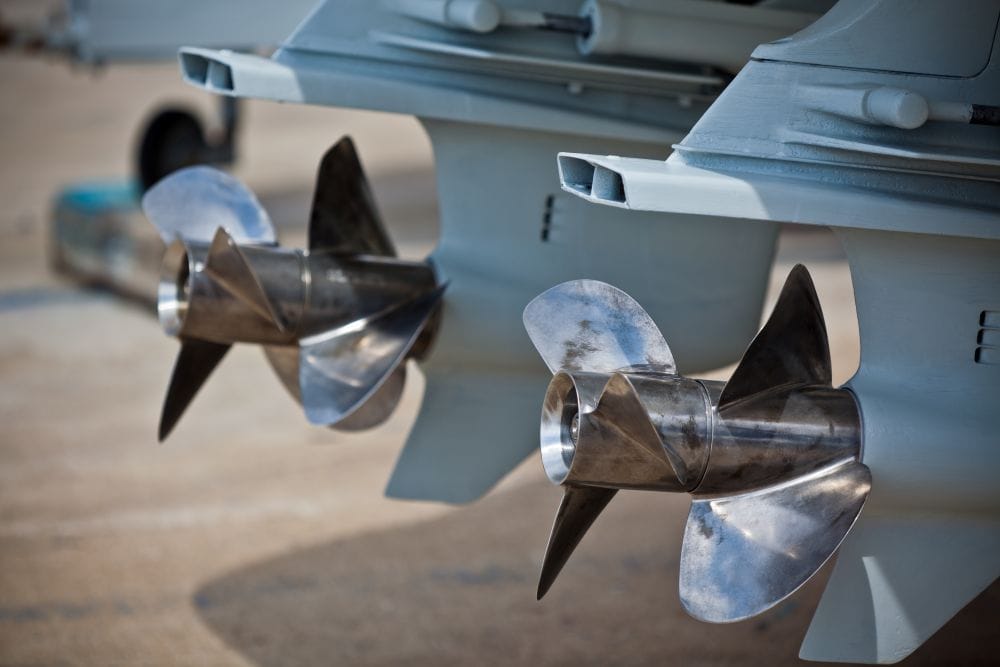
A damaged prop, bent blade tip, or worn shaft connection can also affect performance. Even small imperfections increase drag and reduce efficiency. If you notice vibration, slower acceleration, or reduced pull, inspecting the prop should be one of the first steps.
Replacing an old or incorrect propeller with one better suited to wakeboarding can instantly improve performance without modifying the engine or drivetrain.
Final Thoughts
So, what propeller works best for wakeboarding and water sports? In most cases, it’s a prop designed for low-speed power rather than high-speed cruising. A larger-diameter prop, lower pitch, and increased blade count often deliver the strong pull, smooth acceleration, and steady speed control that wakeboarding demands.
Choosing the right boat propeller isn’t about chasing numbers, but about matching the prop to how you actually use your boat. When the prop, engine, and boating style work together, you get better acceleration, improved control, and a more enjoyable day on the water for everyone behind the rope.
Shop with Prop Depot for the Best Boat Propellers
Looking for the best prop for wakeboarding and water sports? We can help! Call Prop Depot, the authorized propeller dealer for the top brands in the industry. You can shop for aluminum props, demo and used props, and a full selection of marine accessories and prop pullers by your favorite brands.
We have propeller collections from OJ, Acme, Mercury, Powertech, Solas, Volvo Penta, Quicksilver, and Michigan Wheel. Need repairs? Our professionals handle it all: Acme, OJ, Volvo IPS, duo prop, stainless, Solas Bravo III, and cruiser prop repair. Contact us now to shop a new propeller, or ship in yours today!