

Choosing the Right Propeller for My Ski Boat
If you own a ski boat, you already know how much the propeller affects everything, from that first strong hole shot to your boat’s ability to stay on plane at consistent towing speeds. Most boaters don’t realize how much the wrong setup can hurt fuel efficiency, engine power, top speed, and even their boat’s long-term health. A poorly matched prop can lead to excessive wear, costly repairs, or an engine running outside its operating range. Let’s break things down to help you figure out the right propeller, the correct propeller pitch, and the best blade count for your ski boat.
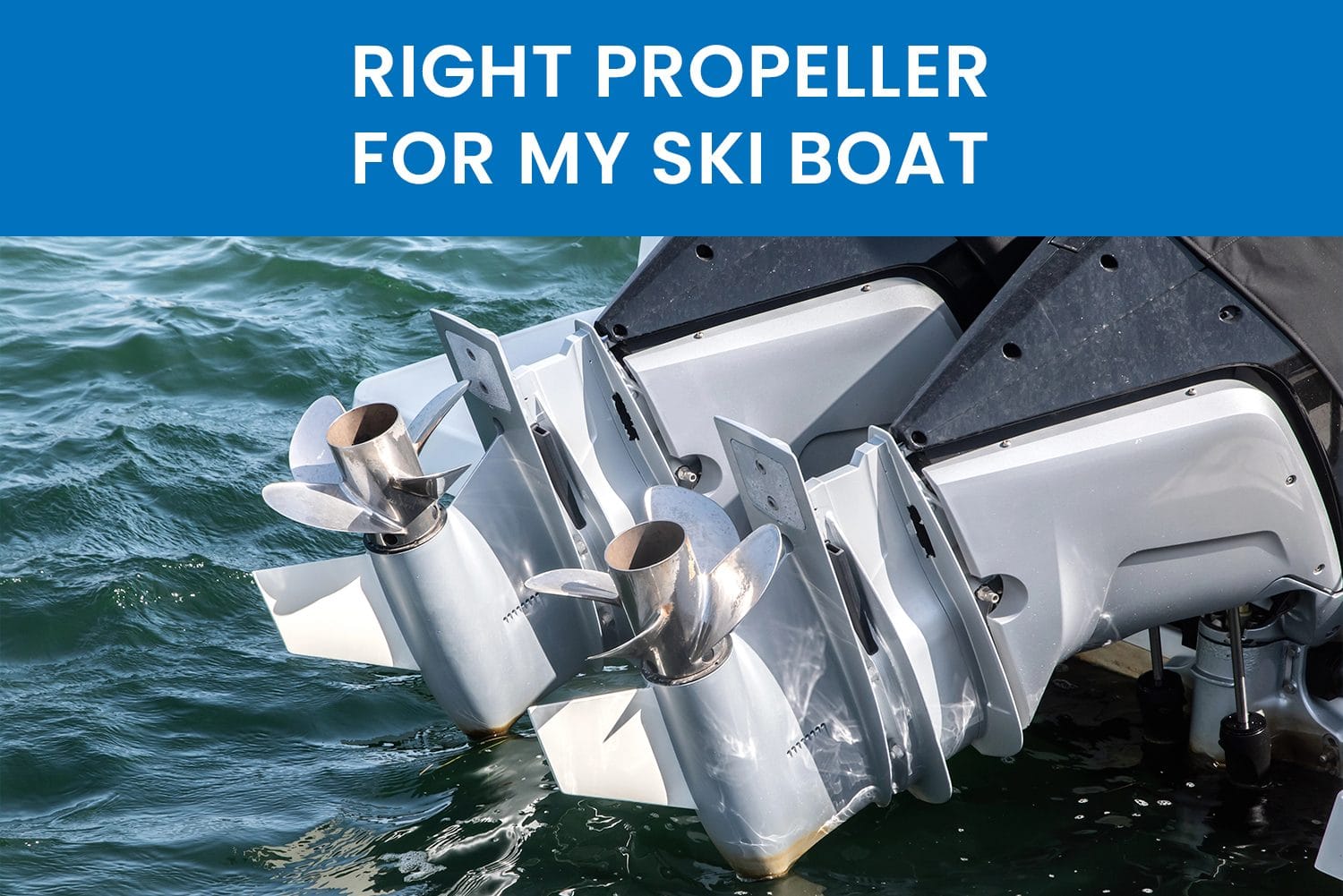
Why Ski Boats Need a Specific Type of Propeller
A ski boat behaves differently from a fishing boat, a wake boat, or a high-speed offshore setup. Skiers need:
- Strong low-end acceleration
- More thrust at lower speeds
- Stable, predictable pull
- Smooth, clean wake
Your boat propeller directly controls how the engine power transfers into the water. The right choice helps the boat reach towing speeds quickly without overloading the motor or causing unwanted vibration, slip, or cavitation.
Blade Count: 3-Blade Props vs. 4-Blade Props
One of the first decisions is the blade count. Both 3-blade and 4-blade props work well on ski boats, but their behavior differs.
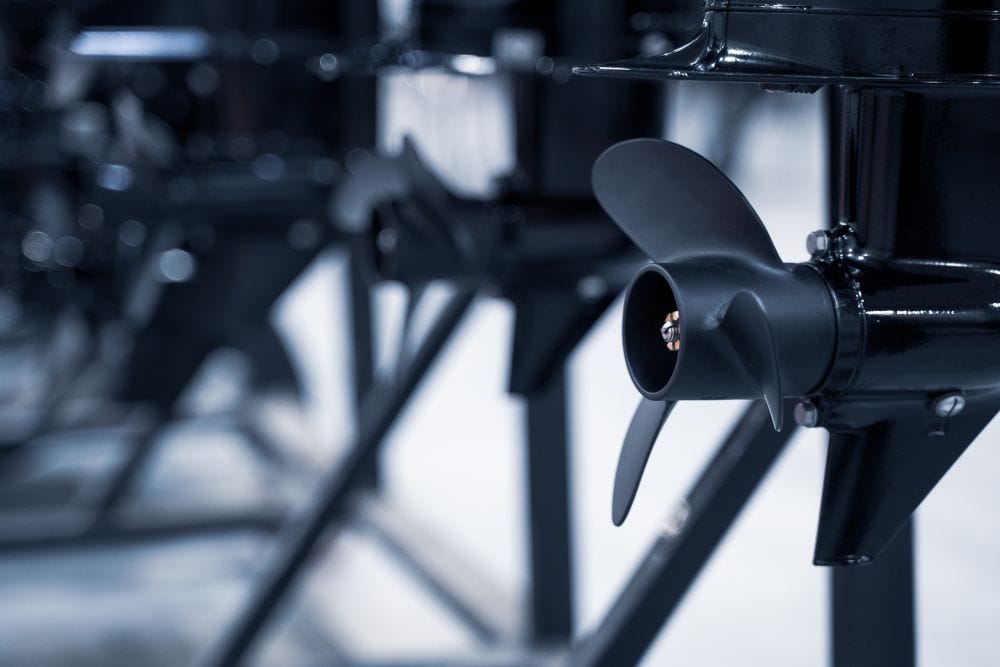
3-Blade Props
A 3-blade propeller usually provides:
- Higher top speed
- Less drag
- Good all-around performance
With fewer blades, the prop offers less resistance, helping boats achieve higher speeds and reduce fuel consumption. Many ski boats come with a 3-blade prop as the factory standard.
4-Blade Props
A 4-blade propeller (like many ACME props) offers:
- Better low-pressure handling
- Stronger hole shot
- Improved performance when towing
- More thrust for quick acceleration
This option is beneficial when the boat carries extra people, uses ballast, or needs better acceleration with a shorter runway. If your skier complains about inconsistent pull or the boat feels sluggish, switching from the same prop to a 4-blade might give you a clear performance advantage.
Material: Aluminum Props vs. Stainless Steel Props
Prop material impacts the ride more than many boaters realize.
Aluminum Propeller
An aluminum propeller is cost-effective, safe for beginners, and easy to replace. But aluminum flexes under load, especially at wide-open throttle (WOT), which reduces optimal performance on ski boats. You might notice:
- Slower acceleration
- Slightly inconsistent performance
- Less crisp response at towing speeds
- More drag under heavy torque
Stainless Steel Propellers
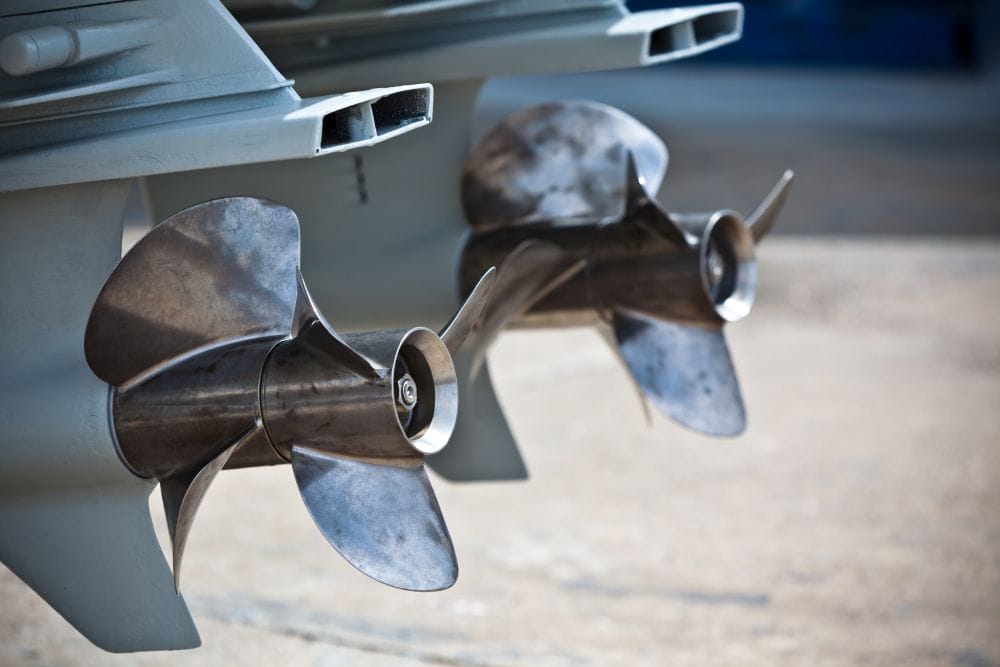
For ski boats, many experts recommend stainless steel propellers because they hold shape under high torque and maintain blade geometry. A stainless steel prop offers:
- Better fuel economy
- Stronger pull
- Improved engine speed consistency
- Less flex at high speeds
- A smoother transfer of power
If you want a reliable upgrade from the original prop, stainless steel is often the best choice for your boat’s setup.
How Pitch & Diameter Shape Your Boat’s Performance
These two elements: prop diameter and pitch, control how your engine loads and how your boat responds.
How Propeller Pitch Affects Performance
Pitch is how far the prop would theoretically move in one revolution.
- A higher-pitch prop means more distance per revolution, giving higher top speed but slower acceleration.
- A lower pitch prop offers better acceleration and faster planning, ideal for towing skiers.
If your boat is bogging down or your engine can’t reach the recommended rpm range, the prop may have too little or too much pitch. Ski boats almost always benefit from the correct pitch matched to their intended use.
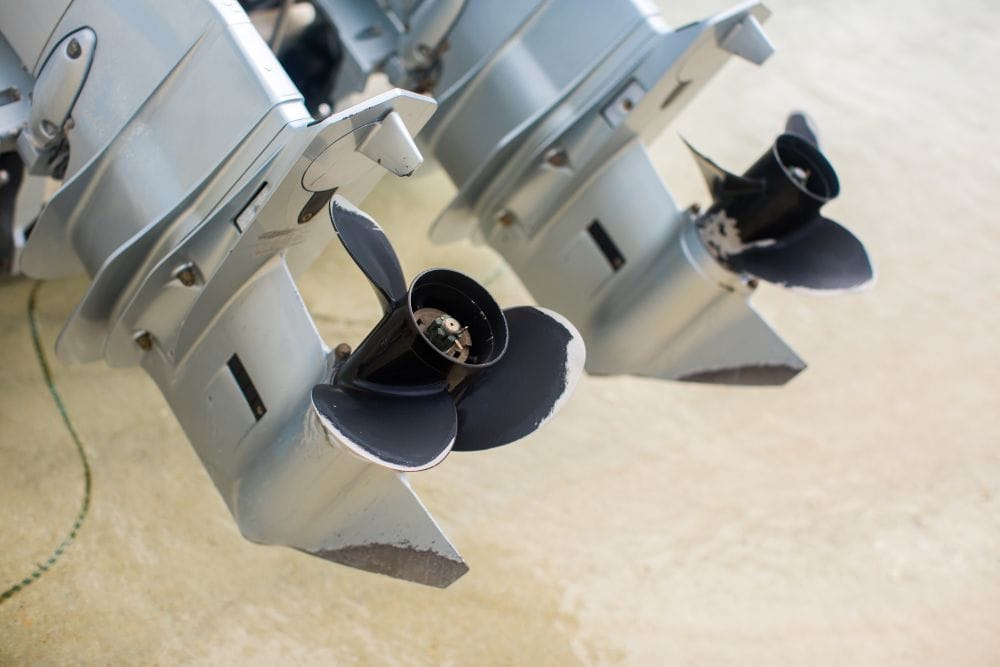
How Prop Diameter Affects Performance
A larger diameter moves more water, giving:
- More thrust
- Better low-speed pull
- Smoother holeshots
If you upgrade from aluminum to stainless, you may keep the same size but get more consistent thrust due to less flex.
Why Blade Geometry Matters for Boat Performance
The small details make a big difference:
Blade Tips
Sharper, more defined blade tips produce cleaner water flow, reducing turbulence.
Blade Surface
More blade surface means more bite, which is often helpful for strong, low-end power.
Cupped Blades
A prop with a slight cup at the edge helps the boat:
- Maintain grip during aggressive turns
- Hold speed at lower RPMs
- Reduce slip
Most modern ski props, especially ACME props, are built with advanced blade shapes specifically for tow sports.
Matching Your Engine RPM to the Propeller
A key part of prop selection is making sure your engine reaches the manufacturer’s wide-open throttle WOT range. Running below this range:
- Increases engine load
- Reduces fuel economy
- Can shorten engine life
Running above it:
- Causes excessive wear
- May damage the engine
When in doubt, check your engine rpm at WOT with the current prop and compare it to your engine’s recommended spec.
How Your Boating Style Shapes the Right Prop
There is no one-size-fits-all propeller. The right prop depends on:
- Boating style (slalom, barefoot, recreational skiing)
- The boat’s design
- The boat’s size
- Engine power
- Passenger count
- Weight distribution
If you mostly pull skiers and need rapid acceleration, a lower-pitch 4-blade is often better.
If you occasionally ski but value top speed, a 3-blade, slightly higher-pitch propeller may be the better compromise.
Common Signs You Need a New Prop
You might need a new prop or a different pitch/diameter if:
- Your motor feels sluggish
- You can’t get on the plane quickly
- Your skier feels an inconsistent pull
- You see increased fuel consumption
- The prop suffers visible damage
- You hear the engine over-rev at WOT
Choosing the best propeller isn’t only about performance; it also protects your engine by maintaining a balanced load and preventing excessive wear.
Replacing the Prop: When to Switch
Many ski boat owners stick with the same prop for years, but changing boat props when upgrading the motor, adding more passengers, or adjusting to a different boating style can make a noticeable difference. A new prop may help you:
- Achieve better acceleration
- Improve fuel efficiency
- Reduce drag
- Maintain smoother towing speeds
- Pull skiers with more confidence
If your existing prop was replaced years ago or came with the boat, it may not match your current setup.
Final Thoughts
When you break it down into factors like pitch, diameter, material, blade count, and your boat’s weight and purpose, choosing the right propeller for your ski boat becomes easier. The goal is simple: match your engine’s power to the water in the most efficient way possible, while giving your skiers a clean, predictable ride.
Whether you stick with aluminum props, upgrade to stainless, pick a 4-blade propeller, or stay with a tuned 3-blade, the correct prop will help your boat deliver the combination of power, acceleration, and efficiency you’re looking for.
If you ever feel unsure, a professional prop shop can help you check RPM, examine your gear ratio, and line up pitch and diameter to create the best combination for your ski boat.
Upgrade Your Ski Boat’s Performance With Premium Propellers
If you’re serious about clean pull, crisp acceleration, and keeping your boat running exactly the way it should, upgrading your boat propeller is one of the smartest moves you can make. That’s where Prop Depot comes in! We carry a full selection of high-quality ACME and OJ Propellers, two of the most trusted names in the ski and wake boat world. Don’t settle for sluggish holeshots or inconsistent pulls. Give your engine the propeller it deserves. Contact for prop shopping and repairs now!