 Google Shopping Exceptional Rating
What’s The Difference Between A Cupped Propeller And Standard Propeller
Understanding the Basics of a Standard Propeller
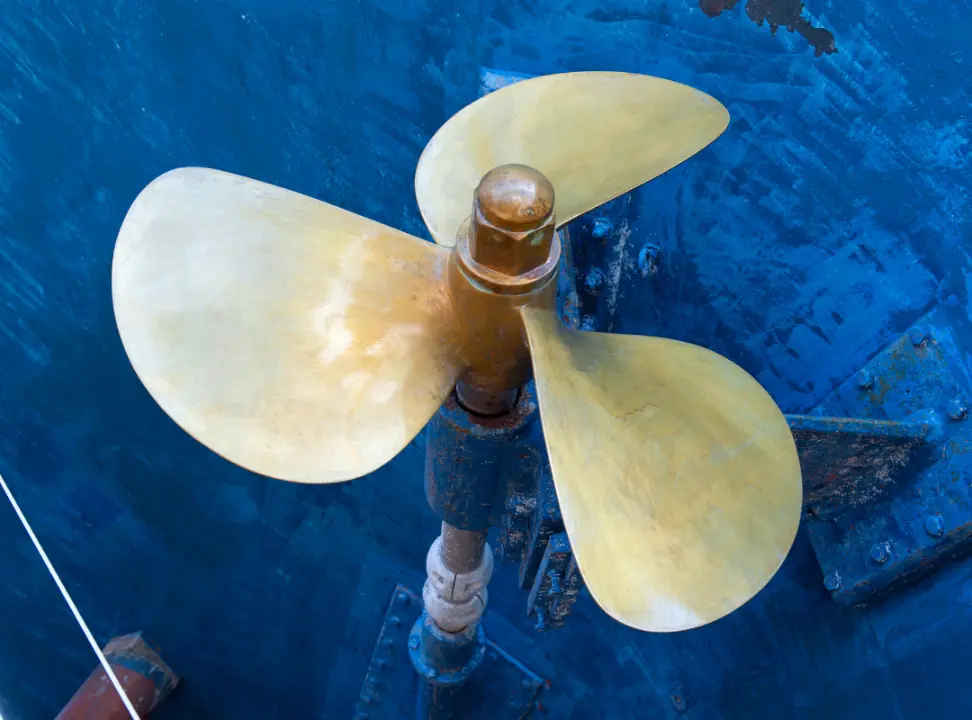
A standard boat propeller features a smooth blade surface without extra curvature at the trailing edge. Most fixed-pitch propellers follow this simple design. Manufacturers calculate a specific propeller pitch and propeller diameter to match a certain engine rpm range. The design pitch remains consistent across the blade.
You will find standard propellers on recreational boats, pontoon boats, and many casual boaters’ setups. They provide a good balance between speed and control. They deliver predictable water flow and stable thrust.
What Makes a Cupped Propeller Different?
A cupped boat propeller includes a slight curve or curved lip at the trailing edge of each propeller blade. Experts call this feature a propeller cup. This small change alters how water leaves the blade. It increases pressure on the blade surface and reduces slippage.
When manufacturers design a cupped prop, they often adjust the nominal pitch to compensate for the added cup. Adding a cup increases the effective pitch. It often lowers engine rpm slightly while maintaining or increasing speed. This design gives the blade a better grip in the water. It reduces ventilation and helps with surface-piercing applications. Many performance boats, bass boats, and high-performance setups rely on stainless steel props with a cup built into the trailing edge.
How Propeller Cup Affects Engine RPM & Speed
Propeller performance depends heavily on engine rpm and propeller pitch balance. A cupped propeller usually drops engine rpm by 100 to 300 revolutions per minute compared to a standard prop with the same design pitch.
That small rpm drop can improve fuel efficiency. It can also allow the engine to run closer to its optimal performance band. Lower RMPs at cruising speed often lead to improved fuel economy. However, too much fuel can overload the engine. If you add too many cups without adjusting pitch, you risk a poor hole shot and slower acceleration. You must match the right boat propeller to your engine’s power range.
Acceleration, Hole Shot, & Better Grip
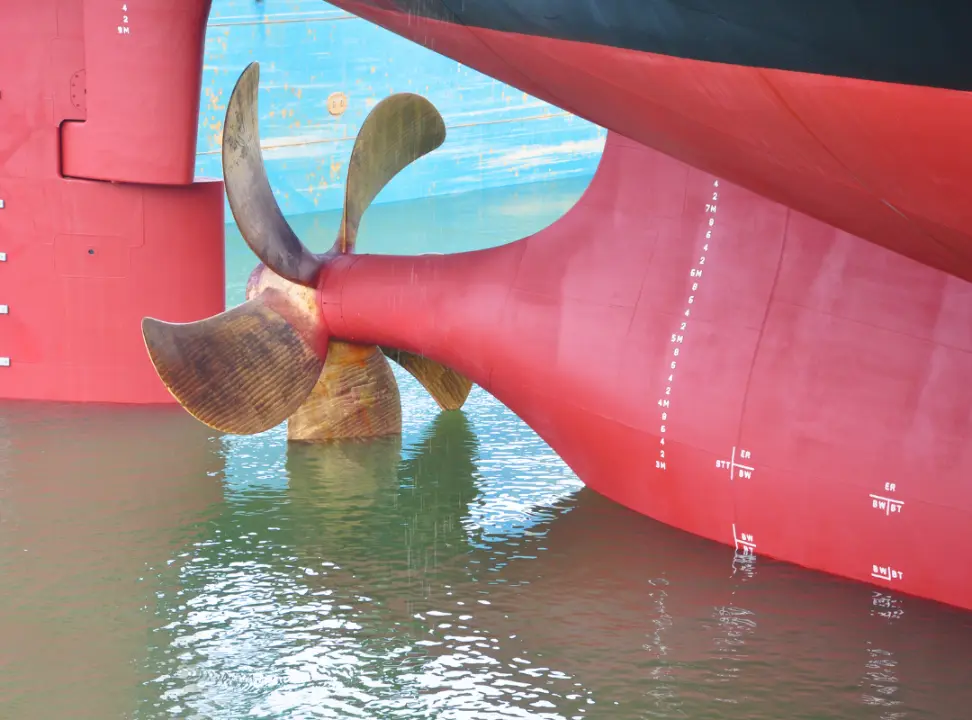
When you throttle up from a standstill, you care about the hole shot. A cupped propeller often delivers better acceleration. It grabs more water and pushes harder during takeoff. That better grip helps when you carry heavy loads or pull skiers.
Standard propellers still perform well in lighter setups. They provide steady thrust without aggressive bite. Many boaters prefer them for casual boating and cruising. If you operate in tight spaces or launch in shallow water, a cupped prop can improve handling. It reduces cavitation and keeps the blade engaged. That advantage makes a difference for high-speed boats and performance goals focused on control.
Fuel Efficiency & Improved Fuel Economy
Fuel efficiency matters to every boat owner. A cupped propeller often supports improved fuel efficiency at cruising speeds. It reduces slippage and improves water flow across the blade surface. Lower engine rpm at mid-range throttle often leads to improved fuel economy. Many boaters notice fewer refueling stops after switching to stainless-steel cup propellers.
Standard aluminum propellers still deliver decent fuel efficiency in moderate use. They cost less and weigh less. That combination suits recreational boats and pontoon boats that operate at lower speeds. If you run at wide open throttle often, a cupped propeller may provide improved performance and reduced drag at high speed. If you cruise calmly, a standard prop may give you a good balance without overloading the engine.
Stainless Steel vs Aluminum Propellers
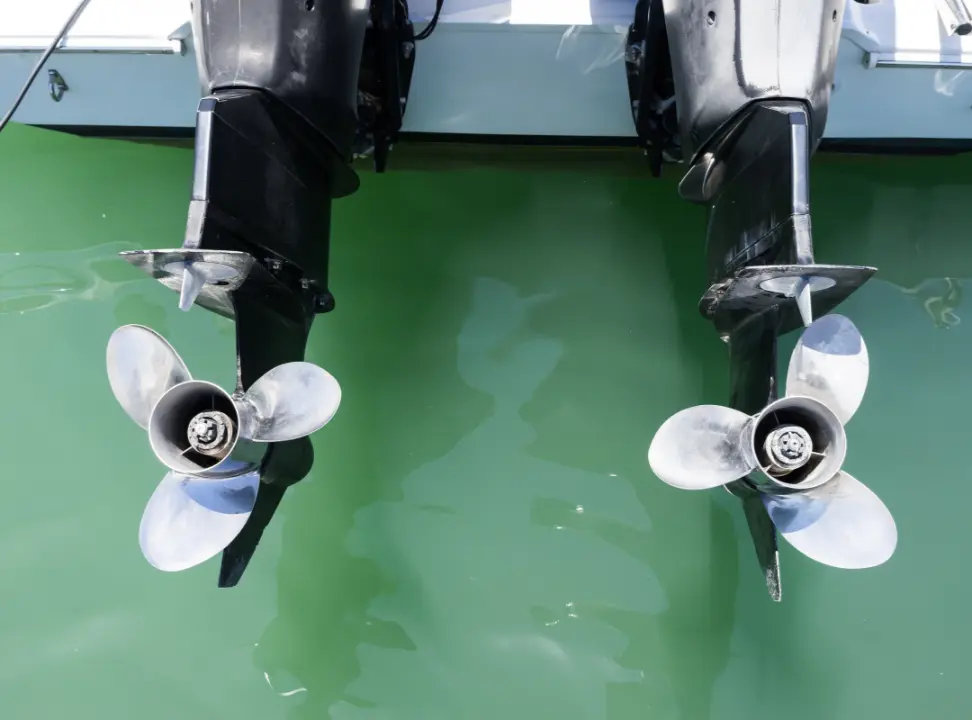
You will find both propeller designs in stainless steel and aluminum. Stainless steel props resist flex under load. That stiffness maintains propeller pitch and improves performance at high speeds.
Aluminum propellers cost less and suit many casual boaters. They bend slightly under heavy pressure, which can reduce stress on the engine. However, that flex can limit maximum speed and better performance in aggressive setups. Many high-performance boats and bass boats use stainless steel propellers mounted on powerful engines.
The propeller material choice supports better grip and durability. If you want optimal performance and long service life, stainless steel remains a strong option.
Diameter, Pitch, & Design Balance
Every propeller depends on a proper balance between propeller diameter, pitch, and cup. Diameter affects how much water the blade moves. Pitch determines how far the prop would travel in one revolution in ideal conditions.
When you add a cup, you effectively increase pitch. You must consider the engine type and the recommended rpm range. If you ignore these numbers, you may sacrifice speed or strain your engine. Fixed-pitch propellers require careful selection. You cannot adjust them easily. You must choose the right propeller style from the start.
Twin Engines & Right Hand Propellers
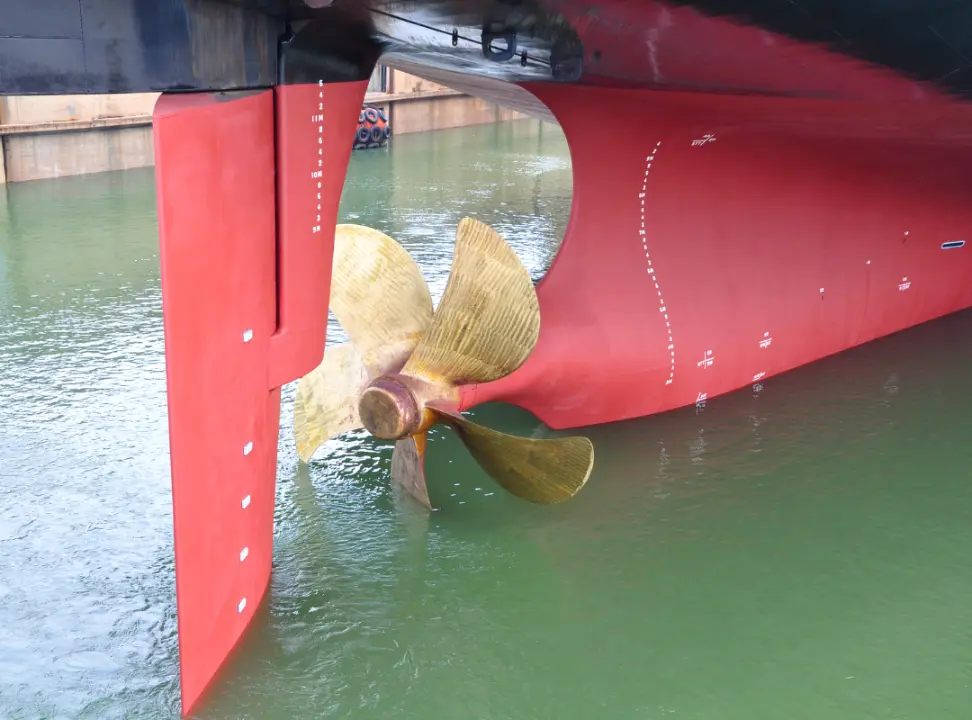
Boats with twin engines often use two propellers that rotate in opposite directions. One functions as a right-hand propeller. The other rotates counter to the balance torque.
Cupped and standard designs both work in twin-engine setups. Many sterndrive propellers and outboard propellers follow this approach. Balanced rotation improves enhanced handling and reduces steering pull. If you run two propellers, you must match pitch, diameter, and cup carefully. Even small differences can affect boat performance and water flow symmetry.
Comparing With Advanced Designs Like Sharrow Propeller
Modern innovations like the Sharrow Propeller introduce new blade geometry. This design uses a looped blade instead of a traditional blade with a trailing-edge cup.
While advanced designs promise minimal drag and better performance, many boat owners still rely on traditional fixed propellers. Cupped and standard models remain reliable, widely available, and easier to service. Your new propeller choice should match your boating style. Chasing high performance makes sense for racing or surface piercing applications. Recreational boaters often prefer simplicity and proven durability.
Which One Should You Choose?
Your right propeller depends on how you use your boat. Ask yourself these questions:
- Do you want maximum speed?
- Do you carry heavy loads?
- Do you operate at lower speeds?
- Do you prioritize improved fuel economy?
- Do you run at high speed in rough water?
Choose a cupped propeller for better grip, reduced drag at speed, improved fuel efficiency, and enhanced handling. Choose a standard propeller if you want simplicity, balanced performance, and reliable cruising. The right boat propeller always matches engine rpm range, boat weight, and performance goals. You must evaluate pitch, diameter, and cup together. Always confirm with the prop specialists at Prop Depot.
Find Cupped & Standard Propellers at Prop Depot
Choosing between a cupped propeller and a standard one can dramatically affect your boat’s performance. Cupped props offer better bite, improved handling, and reduced over‑revving, while standard props provide steady performance and efficiency for everyday boating. Prop Depot carries a broad selection of cupped and standard propellers from Mercury Racing, Mercury Marine, and Quicksilver.
Our team helps you pick the right prop based on your boat, typical load, and water conditions, so you get speed, control, and fuel efficiency all in one.
Upgrade your boat today. Shop Now or Contact Us and get the propeller that works perfectly for your setup.
Frequently Asked Questions
Choosing the right propeller can feel complex. Prop Depot helps boat owners make informed decisions. Here are answers to common questions customers ask.