

How Do I Choose a Propeller For Maximum Top Speed?
When selecting a propeller for top speed and performance, several factors must be taken into account. But most importantly, the diameter and pitch of the propeller can have a direct impact on performance. Plus, thicker stainless steel blades reduce water drag and can help increase top speeds. This feature is especially important if your boat will be operating in shallow waters or encountering potential underwater obstacles. Here are some factors that you must consider before choosing a boat propeller.
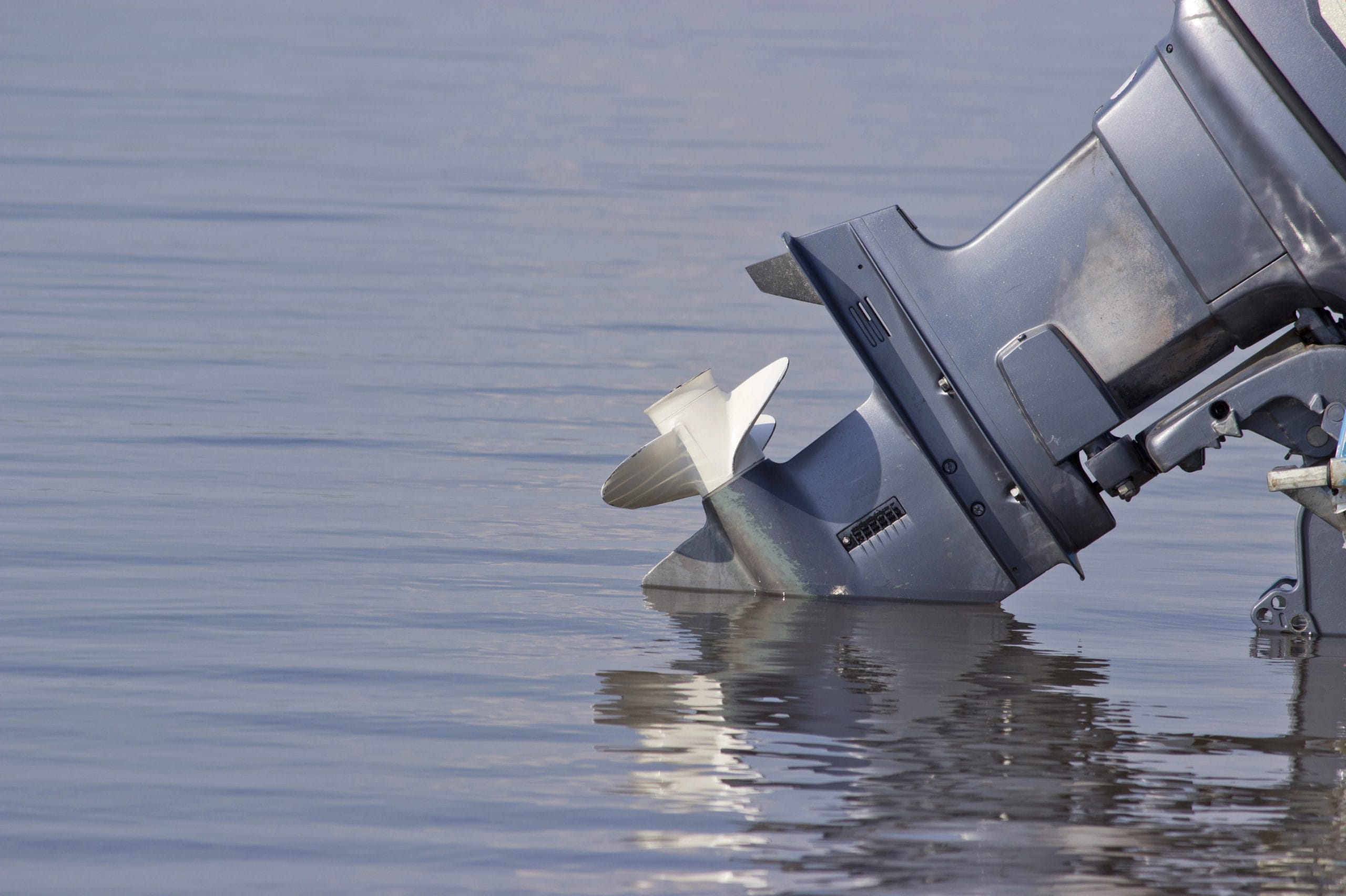
Consider Boat Type & Size for Prop Selection
Propeller size has a dramatic effect on boat performance. A prop with a lower pitch will turn slower and generate less thrust than one with similar dimensions; these numbers represent prop diameter and pitch, respectively.
Selecting the appropriate propeller size will maximize its efficiency during cruising, fishing, water skiing, and other activities onboard your vessel. A prop that does not correspond with its engine specifications could result in reduced efficiency due to increased fuel consumption or poor acceleration.
Size and amount of helix are key elements for creating efficient airflow around a propeller. A very small angle and pitch will offer effective resistance reduction but will produce little thrust, while larger ones can generate more thrust but at the expense of propeller efficiency.
Weight of a Perfect Prop
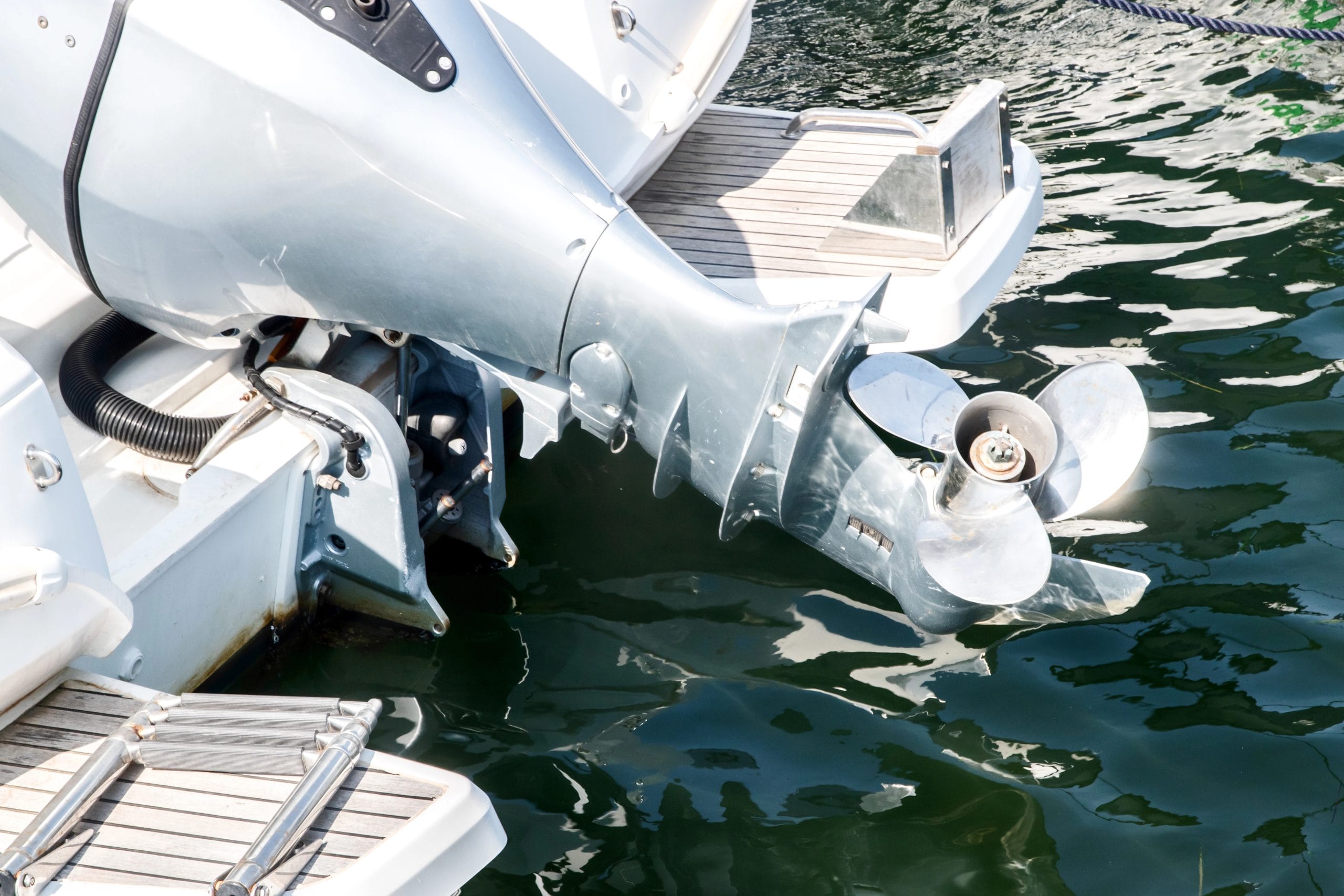
A heavier prop adds durability, but it can also increase drag and reduce acceleration if not properly matched to your engine’s power. On the other hand, a lightweight propeller allows your engine to spin up faster, improving throttle response and top-end performance. But it may sacrifice some strength in rough or debris-filled waters.
For maximum top speed, balance is key. You want a prop that’s light enough to reduce rotational resistance but strong enough to withstand high RPMs and water pressure without flexing or warping. Stainless steel props are a popular choice for this reason. They’re denser than aluminium but can be made with thinner blades, which cut through the water more efficiently.
Rake Angle & RPM Range
Propellers typically feature a rake angle. Higher and more gradually raked propellers allow centrifugal force to push water outward, decreasing hull drag while increasing thrust. Rake angles can also help to reduce drag by creating more lift and less friction.
But, since blades must be strong enough to withstand the stresses of propeller rotation, they must be made from stiff and heavy materials that increase weight, as well as increase power requirements to spin at given RPMs. So, the propeller shaft and hub must be designed so as to transmit this high torque without increasing resistance or creating unnecessary strain for its transmission.
Engine Power & Torque
You’ve probably heard the old adage “horsepower sells cars, but torque wins races”. However, these two concepts should not be confused. Horsepower provides the necessary power to move your boat, while torque helps create aerodynamic thrust.
To speed up a propeller’s spinning rate, either increase engine RPMs or decrease the pitch of its propeller blades – or both. However, exceeding your engine’s maximum RPM limit could lead to catastrophic propeller failure and engine damage.
One way to increase propeller speed is to add blades. While adding more blades may reduce vibration and noise levels, they also increase drag in the water, thus leading most boaters to prefer 3-blade designs as these produce less drag than 4-blade props and are easier to balance. Hence, it provides optimal top speed results. Here are the common types of boat propellers.
Number of Propeller Blades
A propeller with multiple blades has a greater total surface area needed to extract power and generate thrust at any given airspeed. But, more blades reduce efficiency due to each individual blade needing to overcome an increased moment of inertia proportional to the square of the number of blades present on its shaft.
Maximum RPM limits on propellers are determined by centrifugal force exerted from their hub on blades by centrifugal force exerted upon them from within, which directly correlates to engine output and horsepower. Exceeding this limit may cause irreparable damage.
Therefore, it is crucial that when selecting a propeller, it does not exceed the maximum RPM permitted by its manufacturer. A low-pitch propeller may offer great top speed but has limited acceleration performance and may struggle to get on plane quickly enough.
Prop Pitch for Boat Performance
Pitch measures the distance traveled in one revolution of a propeller’s pitch – higher pitches travel slower while lower pitch ones cover greater ground more quickly. A good rule of thumb when choosing your propeller’s pitch should be to consider its maximum engine RPM before selecting one that offers optimal cruise and top speed performance.
Selecting the optimal prop size and pitch is a critical component of optimizing boat performance. An insufficiently small prop may fail to reach max RPMs, while too large a prop could potentially damage its engine. If you want a fast, high-end cruise, opt for a low-pitch prop.
Diameter of the Best Propeller
A larger diameter prop can create excessive drag that reduces top speed, prompting some vessels to opt for smaller diameter props. Propeller diameter is measured by the circumference of a circle criss-crossed by rotating blade tips as they sweep around. Usually, this measurement can be seen on your boat propeller hub with 17×11 LH as its symbolism.
The pitch ratio, which relates the pitch to the diameter, is an important factor to consider since it affects the balance between top speed and acceleration. A higher pitch ratio generally offers higher top speed but results in slower acceleration, so choosing the right ratio depends on your intended use and performance priorities.
Final Thoughts
You have to be very precise in choosing a propeller for maximum speed and performance. A prop that’s perfectly matched to your engine and hull design will deliver the sweet spot of acceleration. In short: Take the time to evaluate your setup, test different configurations if needed, and always stay within your engine’s recommended RPM range.
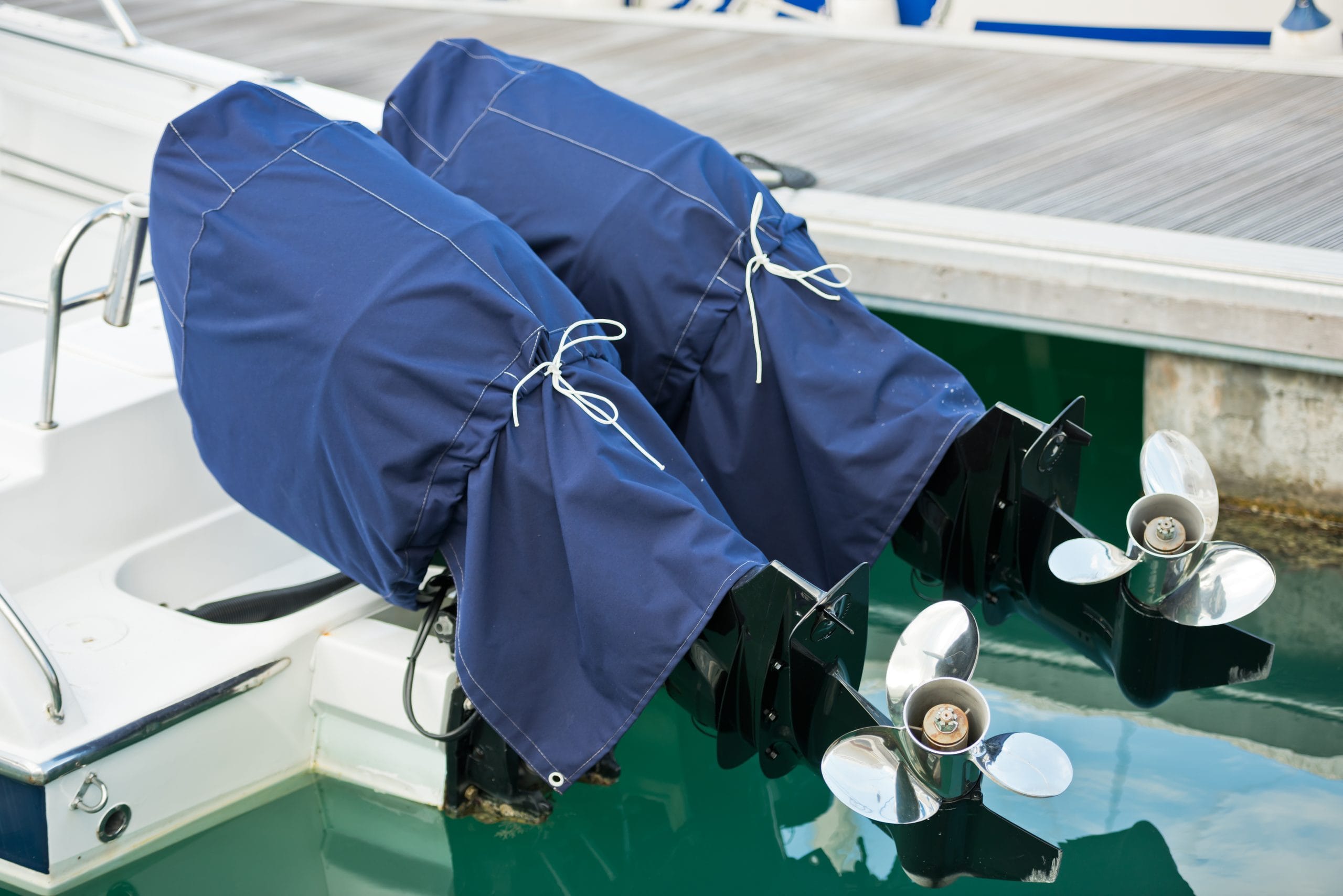
Find Your Perfect High-Speed Propeller at Prop Depot
If you’re chasing top speed and smoother performance, there’s no better place to start than Prop Depot. We offer a selection of premium boat propellers designed for precision, power, and speed. Our experts are here to help you choose the perfect combination of diameter, pitch, and rake angle to get your boat running at its full potential. Contact Prop Depot today to explore our full range of high-speed boat propellers.