How Often Should Propellers Be Removed for Maintenance?
Propellers are complex, critical components that convert engine power into the thrust that lets you cruise. But how often do you really need to think about them? Is the annual inspection enough, or is there more to it? The answer, especially when dealing with constant speed props, isn’t always straightforward. It depends heavily on the type of prop you have and how you use your boat.
Fixed Pitch Props vs. Constant Speed Props
You must have read about this when you are choosing a propeller, but it’s important to understand the difference in maintenance perspectives. Their maintenance requirements are worlds apart:
Fixed Pitch Props = Simplicity
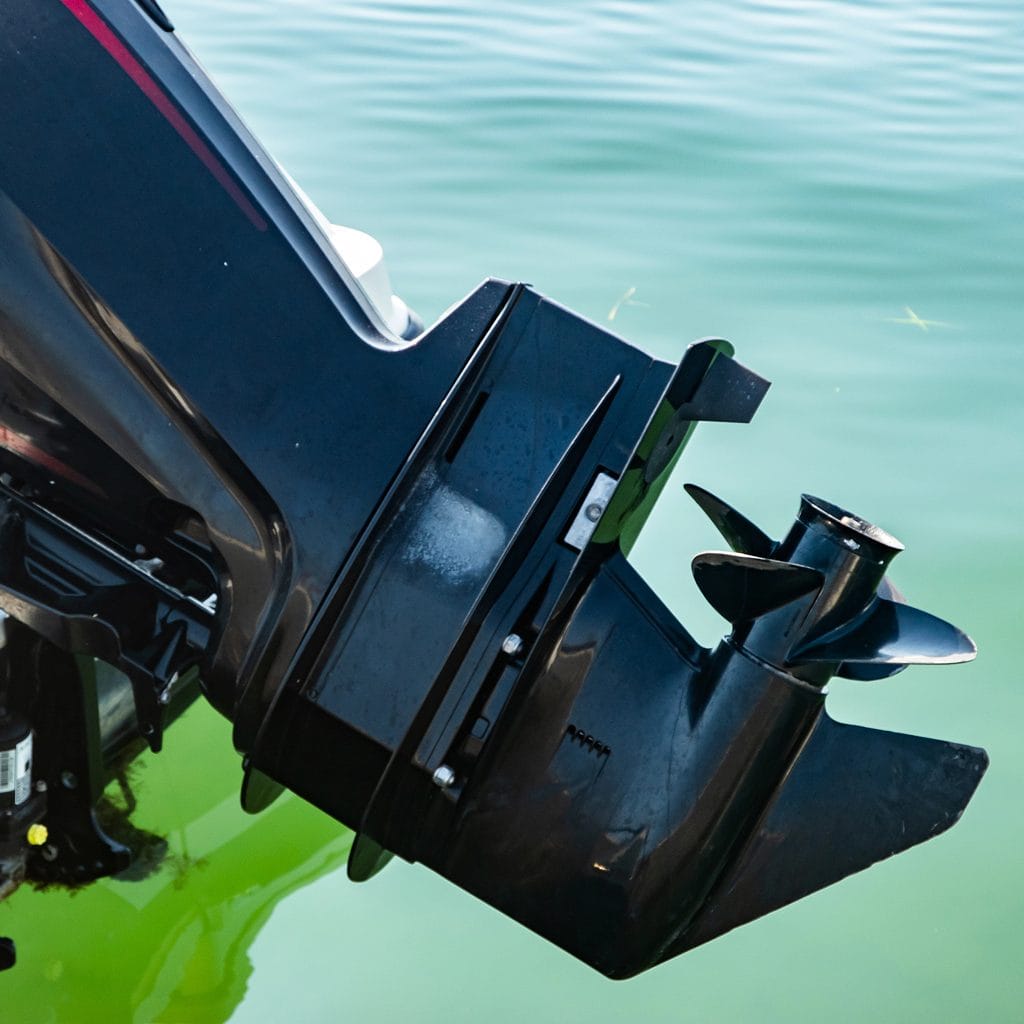
A fixed-pitch propeller is essentially one solid piece of metal or composite. For these props, removal is typically only necessary if damage is found during a pre-flight or annual inspection, or if there’s a need to access the engine.
Constant Speed Props = Complexity
The propeller hub contains a mechanism (often using engine oil pressure) that changes the pitch of the propeller blades during flight. This allows the pilot to select a specific engine RPM and have the prop automatically adjust its blade angle to maintain that RPM across a range of airspeeds and power settings. This complexity is what demands more intensive and frequent maintenance.
Maintenance Schedule for Constant Speed Props
As they are a bit more complicated than the fixed props, they require a more structured maintenance approach. This typically involves regular inspections and periodic overhauls.
The Annual Inspection
Your prop should be thoroughly examined during your boat’s annual inspection. Here’s what you should always look for:
- No More “Throwing Grease”: If you see dark streaks of grease slung out from the propeller hub onto the blades, it’s a sign that the seals are failing. Once they fail, you invite moisture and the risk of internal corrosion.
- The Dreaded Red Oil: Constant-speed hubs use engine oil to actuate the propeller pitch change mechanism. If the internal seals (like O-rings) fail, this pressurized oil will leak out. This indicates a significant internal problem that needs your immediate attention.
Check for Movement: An inspector will check the blades for any looseness or “play” within the hub. Any movement beyond the manufacturer’s specified tolerance is a red flag, suggesting worn internal components.
Propeller Overhaul
Think of it as hitting the reset button on your prop’s service life. So, when is a prop overhaul required? Manufacturers provide two main guidelines:
- TBO (Time Between Overhaul): This is the maximum number of hours a boat owner can drive before an overhaul is recommended. This can range from 1,500 to 2,400 hours, depending on the prop model.
Calendar Time Recommendations: This is where many owners get caught off guard. Most manufacturers also recommend an overhaul based on calendar time, typically every 5 to 7 years, regardless of how many hours you’ve flown.
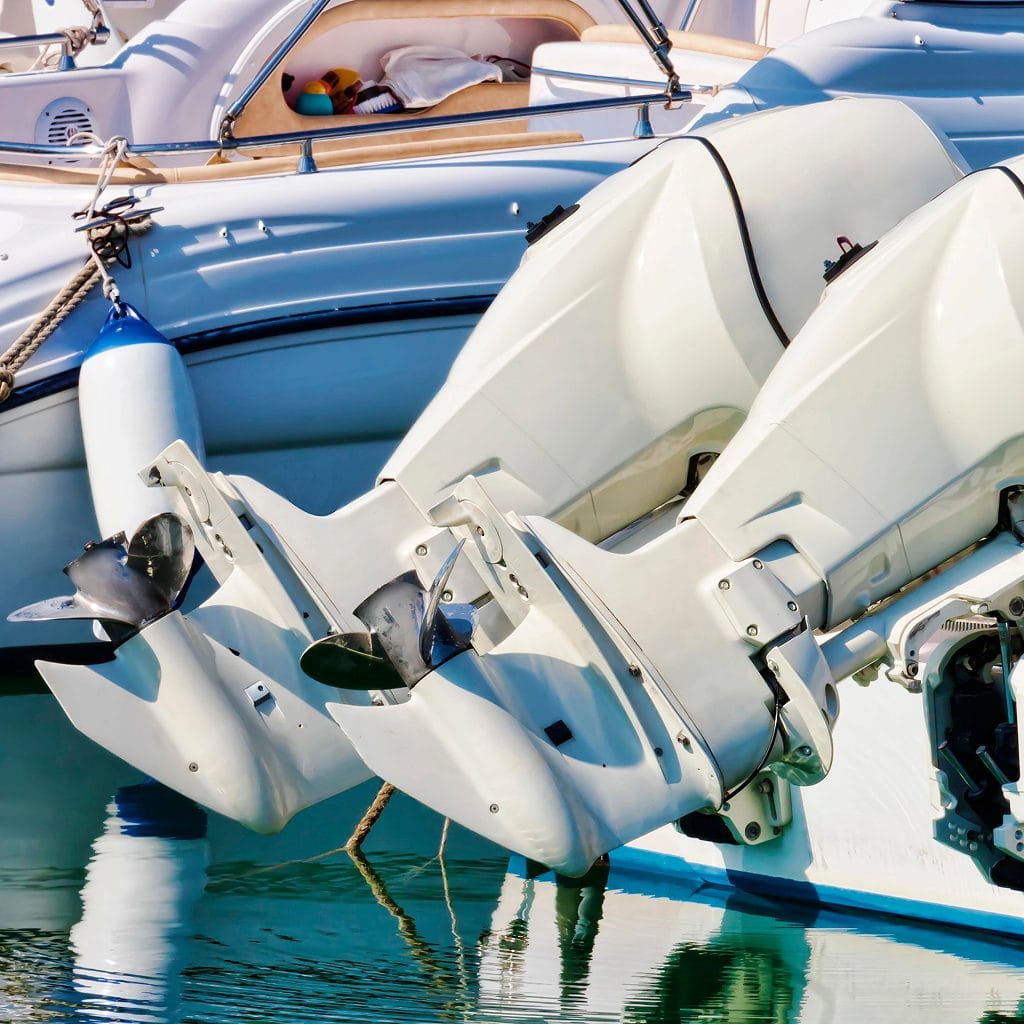
What to Look for During Inspections?
The leading edges of the propeller blades take a beating from rain and pollutants. Look for nicks, dings, gouges, corrosion, bending, and fishing line. If your propeller keeps running with these faults, vibration, and centrifugal force can cause a crack to form at the site of that nick, which could lead to a blade failure. Minor nicks can often be dressed out (filed smooth) by a mechanic, but deeper damage requires a trip to the prop shop.
- Look for External Corrosion: This is especially important for boats tied down outdoors or operated in coastal, salty environments.
- The “Wiggle” Test: As part of your walk-around, gently try to move the tip of each blade back and forth. You are feeling for any looseness or clunking sounds from the hub. While some slight movement may be normal on certain models, any excessive play is a sign of wear.
Give it a Spin (If Safe): With the engine off and mags cold, a slow rotation of the prop can sometimes reveal issues. Does it spin smoothly? Do you hear any grinding noises?
Final Thoughts
For owners of boats with fixed-pitch props, life is relatively simple. Your propeller maintenance needs are basic: keep it clean, check for damage, and get any nicks dressed out promptly. But for those with constant speed props, the responsibilities are greater. These are complex pieces of machinery that operate under incredible stress. So, regular maintenance is the key to getting flawless performance for your boat.
Keep Your Boat Running Smooth
When it comes to performance and reliability, your propeller deserves just as much attention as your engine. At Prop Depot, we carry a full range of aluminum propellers designed to deliver the best performance, smooth operation, and easy maintenance. Each Boat propeller in our lineup is manufactured to exacting standards for blade geometry, balance, and pitch accuracy. And if you’re performing routine maintenance or upgrading to boost performance, having a quality spare prop on board is always a smart move. Contact us now!