

What Causes Propeller Cavitation and How Can I Prevent It?
If you have ever heard a sharp snap, crackle, or pop coming from your propeller, that sound is not harmless. It is cavitation, and it can quietly destroy your propeller over time, like rust does to a car’s paint. This is because of the water pressure around the propeller, which drops so low that vapor bubbles form. When these bubbles collapse, they create intense shockwaves that strike the blade surfaces with enough force to weaken the metal.
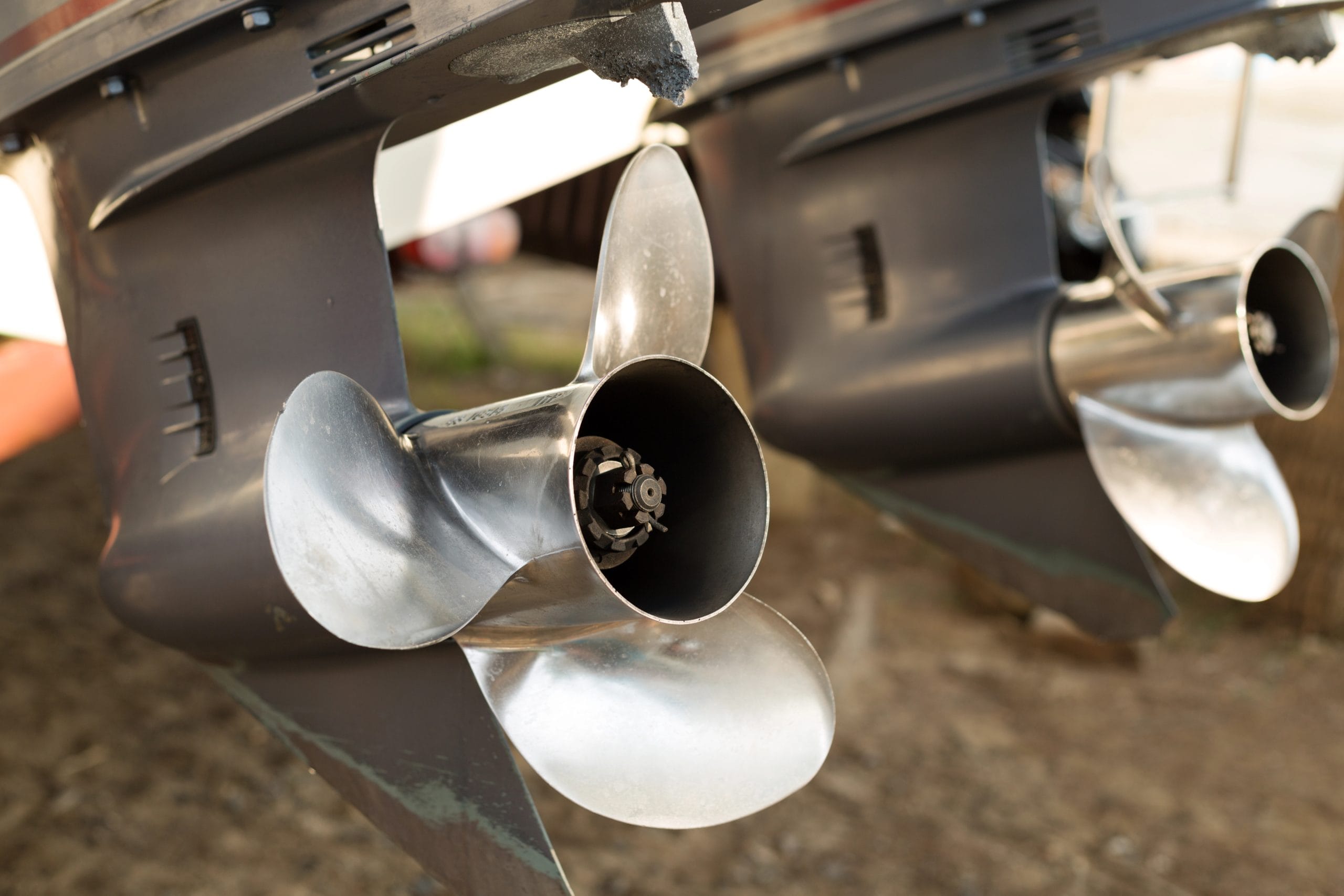
What Is Boat Propeller Cavitation?
Cavitation occurs when the static pressure on the suction side of a propeller blade falls below the vapor pressure of water. This causes water to vaporize and form bubbles. As these bubbles move to higher-pressure areas, they collapse violently. Each implosion acts like a small hammer strike on the blade surface.
Over time, this constant impact leads to a noticeable reduction in propeller performance. While some minor cavitation can occur under normal conditions, severe or continuous cavitation is a sign of inefficiency, improper setup, or damage. Here’s a complete guide on sizing a boat propeller.
Common Causes of Propeller Cavitation
Excessive cavitation reduces thrust, creates vibration, and, if ignored, can lead to costly repairs or complete propeller failure. Understanding what causes it and how to prevent it can help you maintain the propeller’s peak efficiency.
1. Excessive Propeller Speed
When a propeller spins faster than it should, water flow over the blades increases, and air pressure drops. This imbalance triggers vapor bubble formation. The faster the rotation, the lower the pressure on the back side of the blade, and the greater the risk of cavitation. If your vessel’s actual speed is significantly lower than its theoretical speed (calculated from engine RPM and propeller pitch), it could be a sign that the propeller is slipping or cavitating.
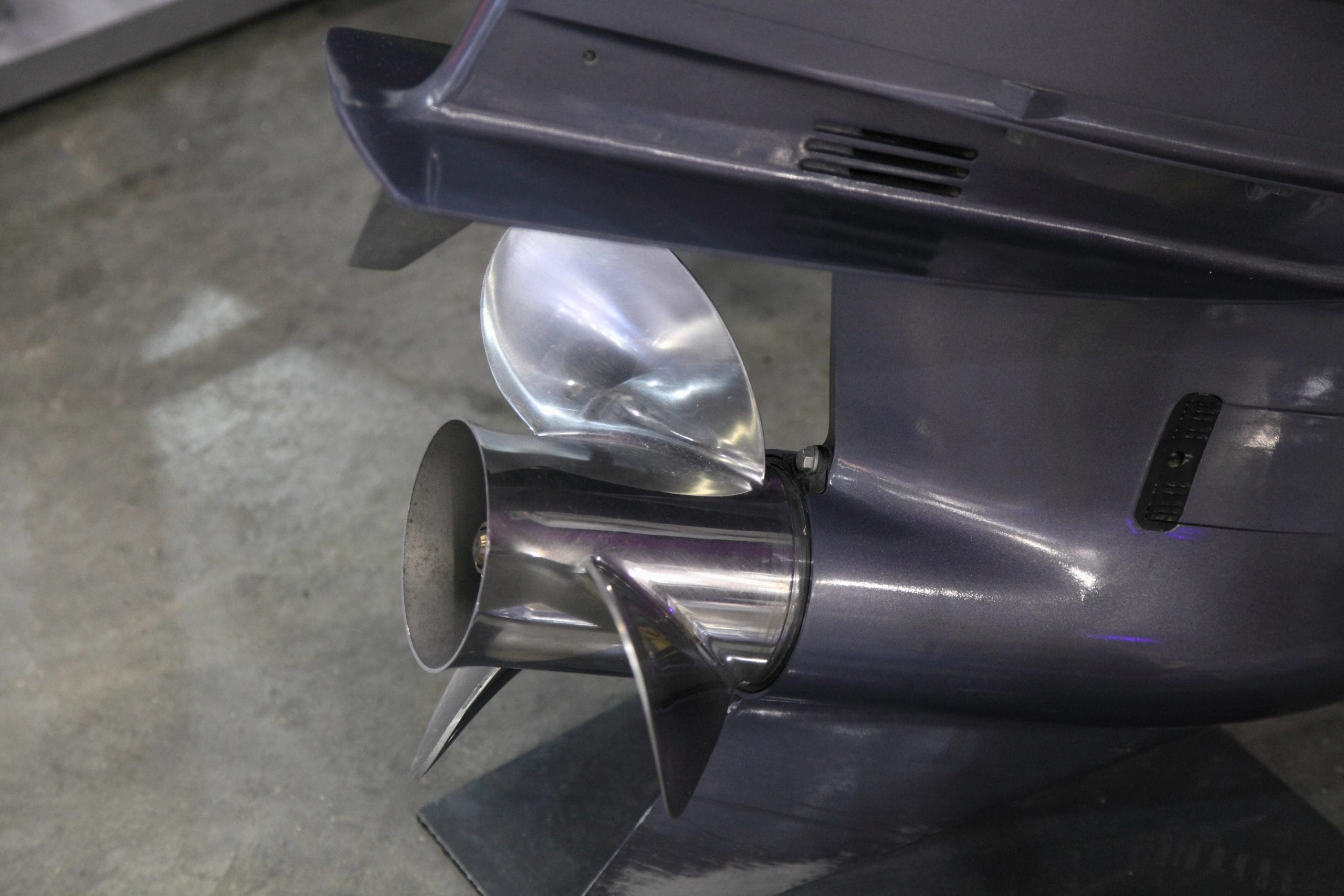
2. Improper Propeller Design or Selection
This leads to a question: How to choose the right propeller design? Here’s the answer – Every propeller must be matched to the boat’s hull shape, weight, engine output, usage, and water conditions. When you choose the wrong propeller, it either leads to wrong pitch or improper diameter, which creates uneven pressure along the blades.
Plus, propellers with excessive skew or poor hub design often develop localized cavitation near the root or tips. Uneven water flow from the hull can also contribute, particularly if the wake disturbs the water entering the propeller.
You can prevent propeller cavitation by:
- Use a propeller designed for your specific hull and engine type.
- Choose materials that resist cavitation damage, such as bronze, stainless steel or aluminium.
- Consult with a marine engineer or propeller specialist before making design changes.
3. Propeller or Hull Damage
Even a small dent or crack in a propeller blade can disrupt smooth water flow and cause low-pressure zones to form. A damaged or fouled hull can have the same effect. When this happens, cavitation is more likely to start in localized areas and spread quickly. So, you’ll have to:
- Inspect the propeller regularly for cracks, bends, or surface roughness.
- Keep the hull clean and free from marine growth.
- Replace worn or damaged propellers immediately to prevent further damage to the shaft or hub.
4. Propeller Clearance
If there is not enough clearance between the propeller and nearby surfaces, such as the hull or rudder, water cannot flow evenly. This creates turbulence and pressure variations that can lead to cavitation. A clearance issue occurs when upgrading to larger propellers without adjusting the shaft length or hull design. The best practice is maintaining a clearance of at least 10 – 15% of the propeller’s diameter between the blades and the hull.
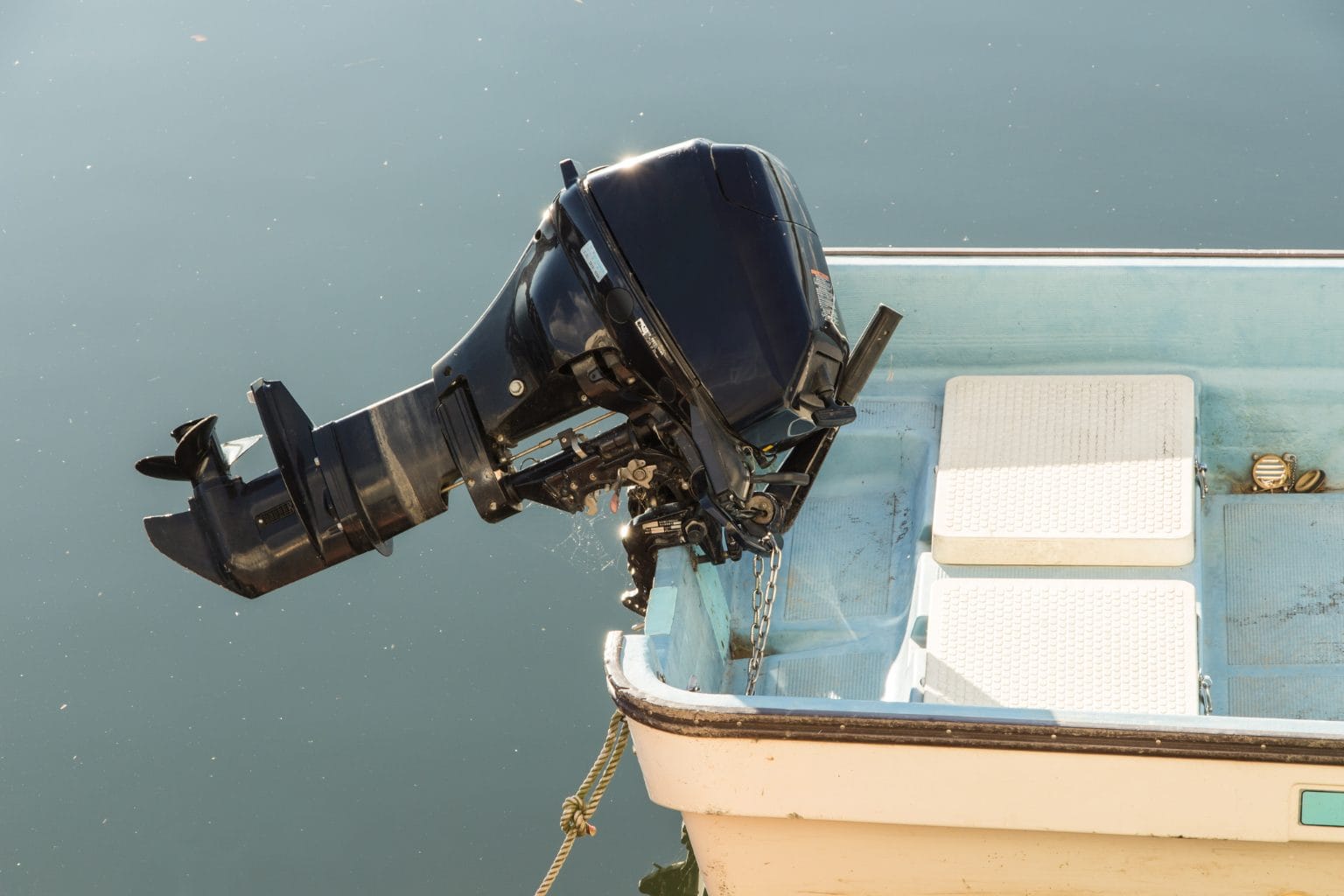
How to Prevent Cavitation?
Preventing cavitation involves three main areas of focus: design, operation, and maintenance.
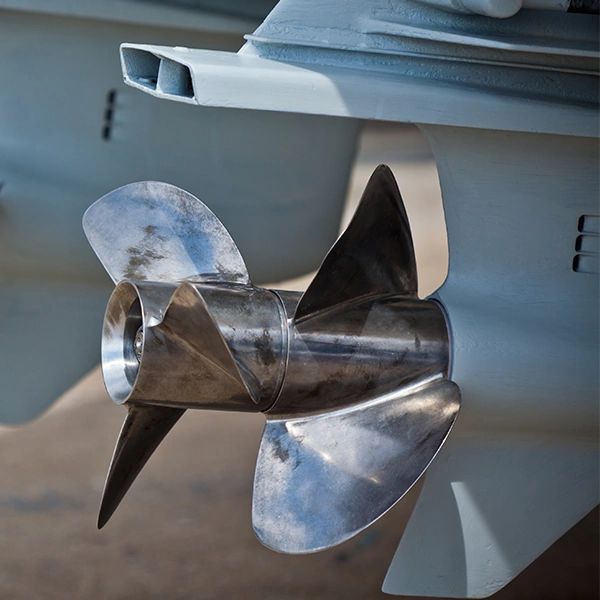
1. Design
The best prevention starts with the right design. Proper selection of propeller pitch, diameter, and material can reduce the likelihood of pressure dropping below the vapor point.
Modern propellers are designed using computational fluid dynamics to minimize low-pressure regions and optimize flow. For older vessels, switching to a newer propeller design can significantly reduce cavitation.
Key recommendations:
- Match propeller specifications precisely to the vessel’s engine and performance needs.
- Use high-quality, cavitation-resistant materials.
- Check alignment and balance to avoid uneven pressure distribution.
2. Proper Operation
Even the best-designed propeller can cavitate if the boat is operated outside its optimal range. Excessive throttle, poor load distribution, and improper trim all contribute to cavitation.
Cavitation often appears during acceleration or heavy loading, when the propeller blades are working harder than usual. You may notice increased vibration, a sharp noise, or loss of thrust.
Best practices:
- Operate the vessel within its rated speed and RPM range.
- Trim the boat correctly to maintain smooth water flow.
- Avoid sudden throttle changes or sharp turns at high speed.
- Keep the propeller fully submerged to prevent ventilation.
3. Regular Maintenance
Routine maintenance is one of the simplest and most effective ways to prevent cavitation. Even small debris, such as fishing lines or weeds, can disrupt water flow. A clean, smooth propeller surface ensures consistent pressure across the blades.
Inspect your propeller and surrounding components regularly for wear, corrosion, and buildup. Cleaning the propeller after each trip, especially in saltwater, helps maintain performance.
Maintenance checklist:
- Remove debris, weeds, and marine growth after each use.
- Check for pitting, discoloration, or cracks on blade surfaces.
- Replace worn bushings or damaged blades promptly.
- Polish propeller blades to reduce surface roughness.
Conclusion
Cavitation is one of the most common and damaging problems affecting marine propellers. It starts with small pressure changes but can quickly lead to serious erosion, reduced thrust, and mechanical failure. If you ever hear that distinct snapping or crackling sound underwater, do not ignore it. It may be the first sign that cavitation is beginning to form. Early detection is the best way to solve the cavitation burn without costly repairs.
Visit Prop Depot – Where Performance Meets Precision
When it comes to keeping your boat running smoothly and efficiently, every detail matters. With 998 verified Google reviews and a 4.9-star rating, Prop Depot has earned the trust of boat owners who care about performance and reliability. If you’ve noticed pitting, vibration, or that familiar “snap and pop” sound, don’t wait for it to turn into a major problem; buy a new propeller. Let’s keep your boat running smoothly, your fuel costs low, and your time on the water worry-free. Contact us now!