 Google Shopping Exceptional Rating

If you are a boater, you may hear the phrase what is a spun prop at marinas or repair docks, especially when someone suddenly loses thrust on the water. A spun prop is a common issue that affects the connection between the prop shaft and propeller hub. When this connection slips, the engine spins, but the boat’s propeller does not generate enough thrust. This can leave your boat struggling to move forward. Understanding how a spun propeller works and how to fix it helps you maintain the best performance. Let’s break down the basics of what a spun prop is and what to do when it happens.
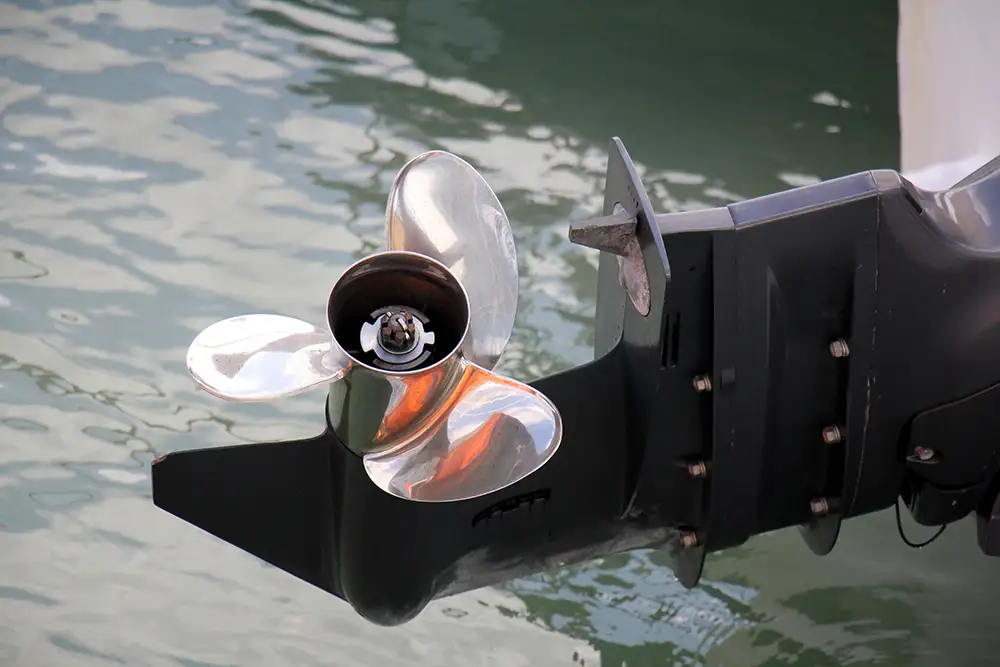
What is a Prop Hub & Why Does It Matter?
At the center of every propeller is a prop hub that connects the outer blades to the prop shaft from the motor. Many modern propellers, especially aluminum models, use a hub kit or rubber hub insert. This rubber component acts as a shock absorber and protects the motor and gearcase from sudden impacts, such as hitting a submerged branch or rock.
Manufacturers such as Michigan Wheel and Mercury Marine use this style of propeller hub because it helps absorb sudden stress that could otherwise damage internal gears or bend the shaft. However, that same rubber hub can wear out or slip over time, leading to a spun hub.

What Is A Spun Prop Hub?
A spun prop hub happens when the rubber hub inside the propeller hub separates from the metal inner core. When this occurs, the boat engine turns the center hub, but the outer prop blades stop turning at the same speed or stop entirely. In simple terms:
- The engine spins normally.
- The propeller shaft rotates.
- But the propeller does not grip and transfer that motion into the water.
The result: the engine revs increase, but the boat barely moves. This is what boaters call a spun prop.
Signs You Have a Spun Propeller
Recognizing a spun prop is straightforward when you know what to look for. Signs include:
- The propeller appears intact, but performance drops sharply.
- The engine revs climb unusually high.
- The boat struggles to accelerate.
- The boat may move at idle, but fails under throttle.
This is different from damaged propellers, where bent or missing blades are visible. With a spun hub, the problem is hidden inside the center of the propeller.

What Causes A Spun Prop?
Several factors can lead to a spun propeller:
Impact With Underwater Objects
Even a small strike on rocks, sand, logs, or debris can cause the rubber hub to slip.
Heat Or Wear
Repeated use heats the rubber, which can lead to breakdown, aging, and hardening.
High Horsepower Stress
Powerful prop motors can gradually and eventually overpower older rubber hub inserts. The rubber hub is designed to slip to protect the drivetrain and acts as the weak point so the motor does not take the impact damage.
How to Diagnose a Spun Hub
You can perform a few simple checks to diagnose a spun hub:
- Mark the propeller and propeller hub with a straight line using a marker.
- Take the boat for a short ride.
- Bring it back and check the marks.
If the mark on the prop hub no longer lines up with the mark on the prop, the hub has spun. Another method is to remove the prop and visually inspect the rubber hub for visible melting, gaps, or shifting. Any of these signs indicates a spun prop hub.
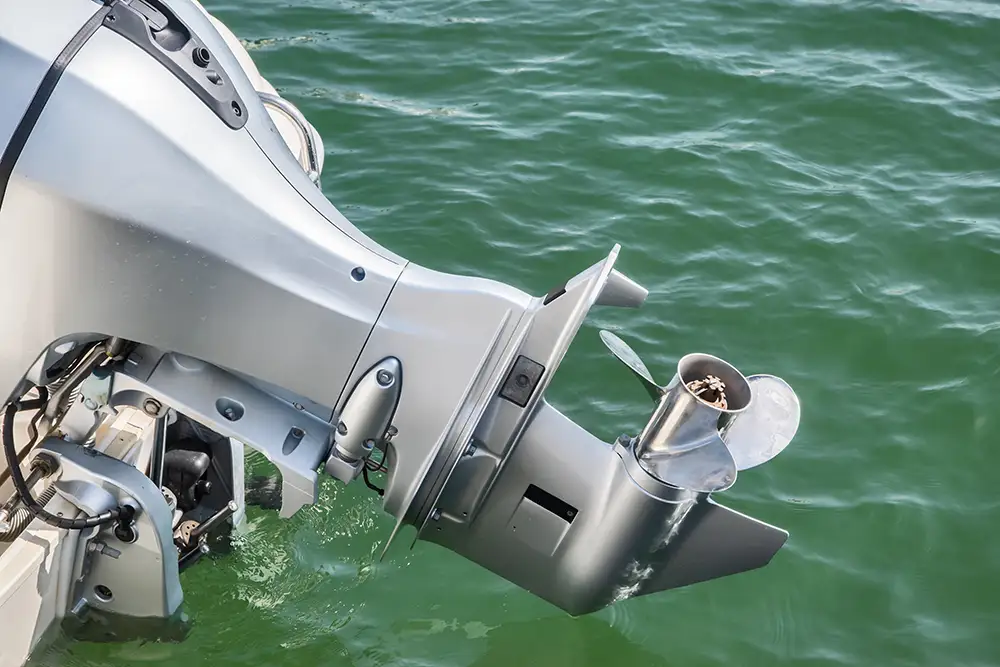
Can You Still Drive With A Spare Prop?
If you doubt you have a spun prop, switching to a spare prop is generally the simplest short-term solution, as it gets the boat back in motion without risking further mechanical strain. Many boat owners keep a spare prop on board for this reason. However, it’s still important to replace or repair the damaged prop hub to restore reliable operation.
Repairing or Replacing a Spun Prop
The repair method depends on the type of propeller you have:
- Props With Pressed-In Rubber Hubs require removal and pressing in a new hub. A prop shop can handle this process.
- Props with Hub Kits allow easy insert replacement using a modular hub kit. If the rubber insert is damaged, you only need to install a new one, generally without needing shop services.
- In many cases, a spun prop is repairable—but the repair cost comparison between hub replacement and purchasing a new propeller should always be considered. Aluminum props are generally affordable, making replacement a frequent choice.
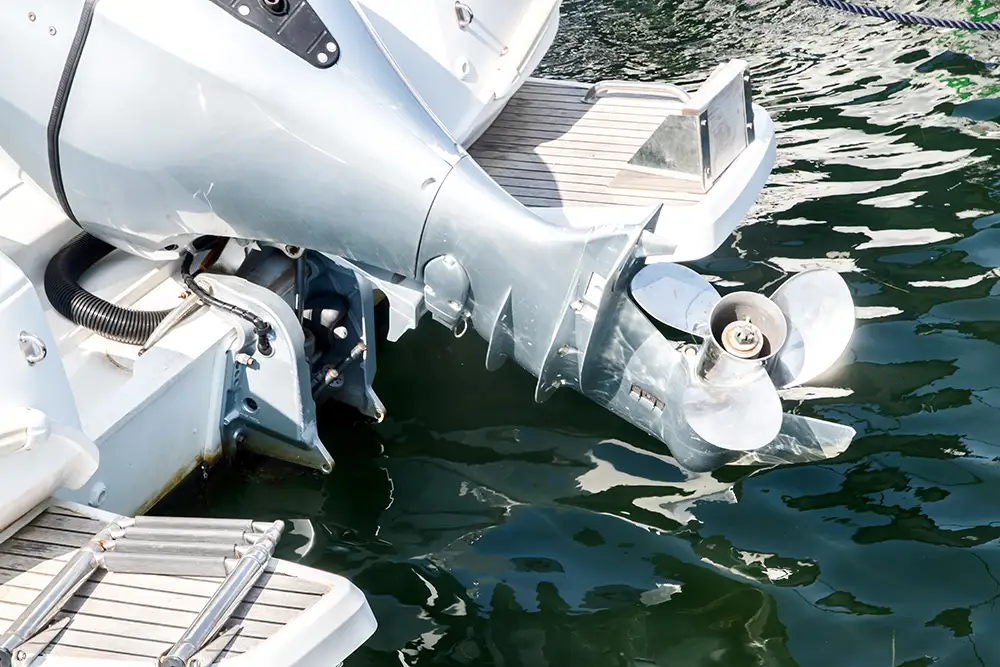
Choosing a Repair Shop or Replacement Prop
Shops specializing in propellers can assess damage, re-hub the propeller, or recommend a replacement. Bringing your old prop and prop shaft measurements helps you pick the right fit. Quality aftermarket and OEM brands such as Michigan Wheel, Mercury Marine, and OJ produce reliable propellers with strong hub systems.
How to Avoid Repeating a Spun Propeller Incident
While a spun hub can happen unexpectedly, boat owners can reduce the chances by:
- Inspecting the prop shaft and prop regularly
- Keeping a spare prop on board
- Avoiding sudden throttle bursts after hitting debris
Most importantly, noticing early signs can keep minor wear from turning into a full failure.
Conclusion
Understanding what a spun prop is helps you recognize a sudden loss of performance. A spun prop happens when the internal rubber hub separates, causing the engine to spin without transferring power to the propeller. This issue is common among boats that encounter underwater strikes. Diagnosis is simple, fixing it is manageable, and keeping a spare propeller with you is always the wise choice. Whether installing a new hub or repairing a spun propeller, having an experienced prop shop helps restore performance and keeps your boat running strong.
Propellers & Repairs by Prop Depot
Need propellers in Tennessee? Call Prop Depot, your local, trusted source. As an authorized dealer for Mercury, ACME, OJ, Powertech, and Solas, they offer new props, demo units, marine accessories, and full repair services. Shop top brands like ACME, OJ, Mercury, Volvo, and more—all in one place. Call us now for more information about our products and repair services..