

Select the right Yamaha motor propeller by matching it to your boat type, the horsepower of the engine, the typical load, and the desired performance. The correct propeller size and propeller pitch can improve top speed, fuel efficiency, acceleration, and handling on the water. Let’s know more.
Yamaha Motor Propeller Basics
A Yamaha motor propeller is the spinning component mounted on the lower unit of a Yamaha outboard that converts engine power into forward thrust. Choosing the right one comes down to matching material, propeller size, and propeller pitch to your boat’s weight and typical use.
If you are running a Yamaha outboard, you often assume the factory blade is the best fit. Still, in most cases, a properly matched aftermarket option delivers real gains in hole shot, fuel efficiency, and top-end control.
Why the Stock Yamaha Propeller Is Only a Starting Point
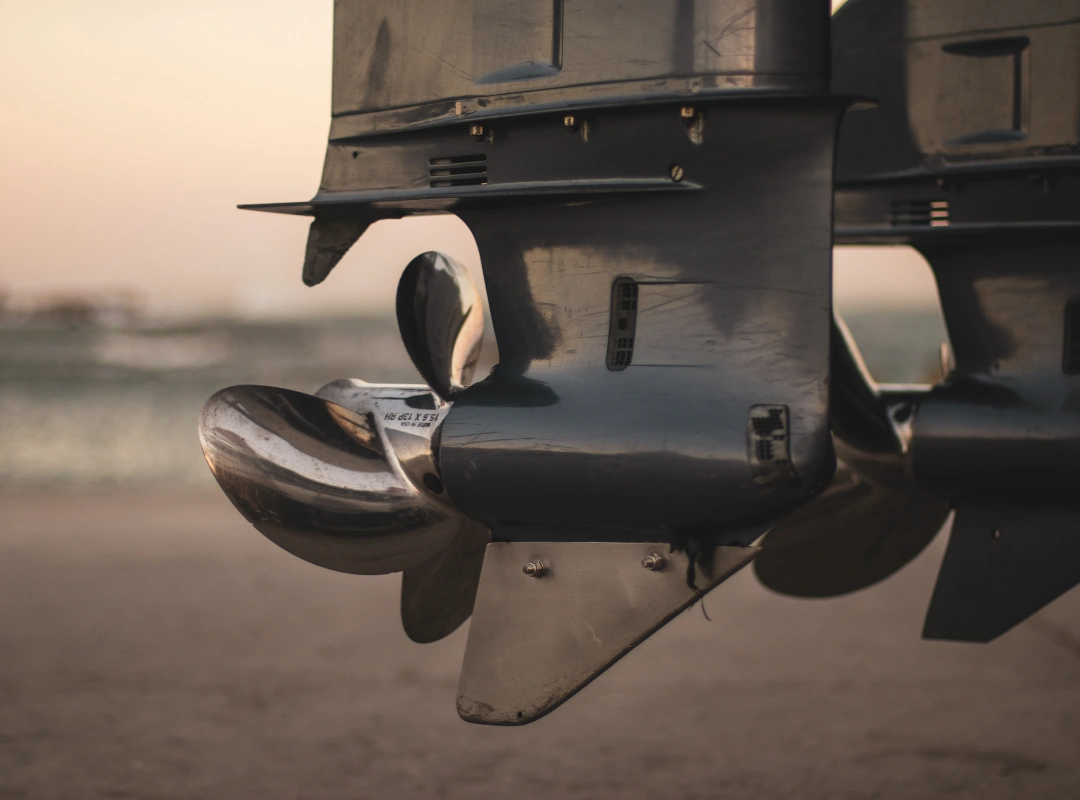
Every Yamaha outboard ships with an aluminum stock propeller sized to work across a general range of boats and loads, not to match your specific setup. This is by design, since Yamaha equips its engine lineup to cover everything from light utility hulls to heavier center consoles, and a single stock blade cannot chase peak numbers for every one of those cases.
Once you know the actual weight of your boat, typical passenger count, and how you use it day to day, stepping away from the factory blade toward a prop that correctly matches your engine application almost always improves how the boat feels on the water.
A good starting point before shopping is understanding your engine type, and this breakdown of 2-stroke versus 4-stroke engines covers how that difference shapes propeller needs.
Material Choice: Aluminum vs Stainless Steel
Yamaha propellers generally split into two material camps.
Aluminum Blades:
These are affordable, light, and forgiving if your boat clips something submerged, making them a sensible choice for casual use and utility boats that spend time in skinny water.
Stainless Steel Blades:
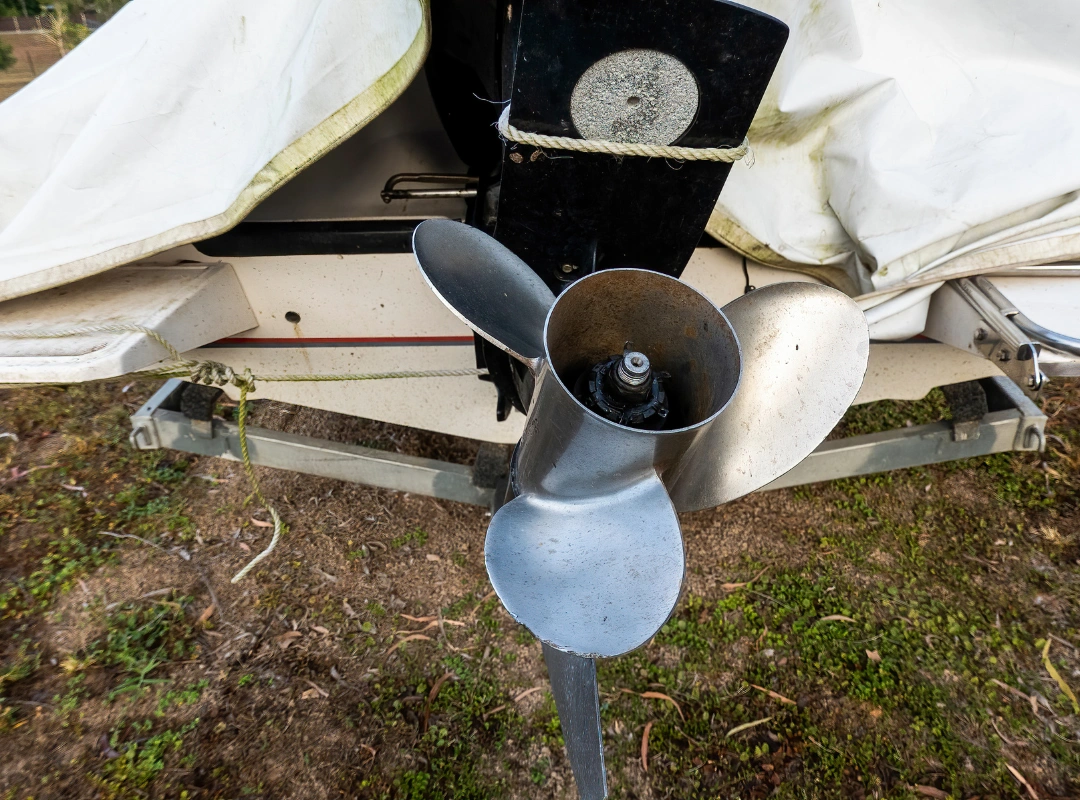
These cost more but hold their shape far better under load, flex less at high RPM, and deliver noticeably crisper grip through turns.
If you want to chase high performance or run larger engines that can actually use the extra rigidity, stainless steel is worth the step up.
Yamaha props, built from either material, still need to be sized correctly to the engine, and the difference between an inboard and outboard setup also plays into that decision, as covered well in this guide on inboard vs outboard motors.
Propeller Size, Loading, & Performance Goals
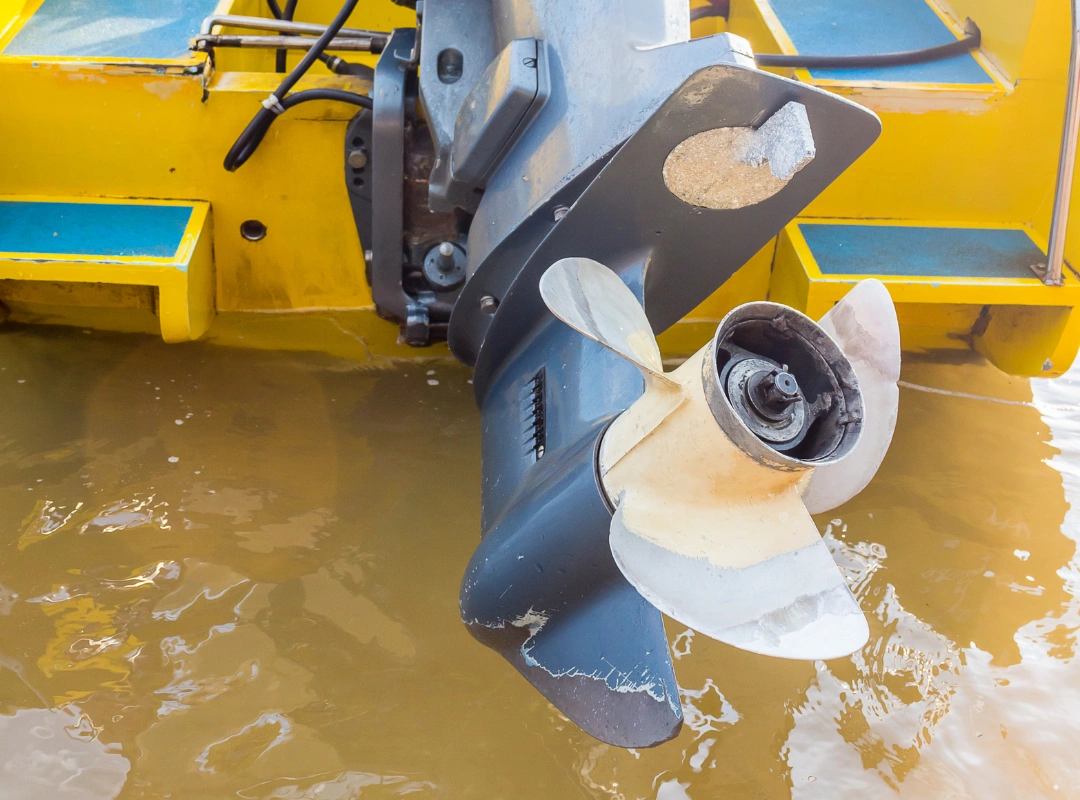
Getting propeller size right starts with proper loading. A propeller chosen for an empty boat will behave completely differently once you add passengers, fuel, and gear. It is worth thinking through your typical loadout before locking in a diameter and pitch.
Yamaha and most prop manufacturers recommend sizing to ensure proper loading is accounted for from the start (rather than adjusting after the fact). Your performance goals matter here, too. A boat used mostly for slow trolling and fishing has very different needs than one pulling skiers or running long distances at speed. The right Yamaha motor propeller should reflect that use case directly rather than a generic, one-size answer.
Blade Design, Grip, & Control
The shape and number of blades on a propeller change how your boat grips the water and holds a line.
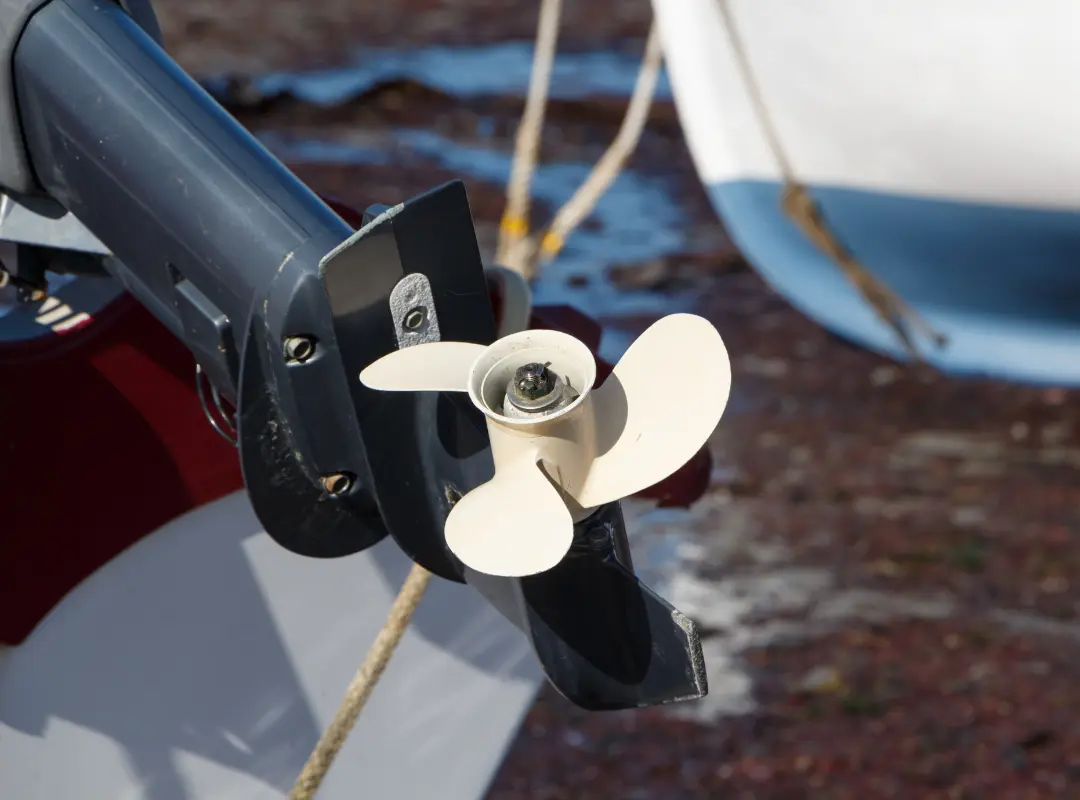
- 3-blade designs remain common because they balance fuel efficiency with strong control.
- 4-blade options deliver a stronger hole shot and steadier tracking at low speed.
Owners running heavier loads or towing regularly generally find the trade toward a 4-blade prop worth it for the added grip alone. One example built specifically for Yamaha applications is the PowerTech PFO4 propeller, a 4-blade design aimed at boats that need strong low-speed control without sacrificing top-end performance.
Counter Rotation & Twin Engine Setups
Boats running twin Yamaha outboard engines need to consider counter-rotation. On a twin setup, one engine generally turns a standard right-hand prop while the other turns a left-hand, or counter-rotating, prop. This pairing cancels out the steering pull that a single engine would otherwise create.
Getting counter rotation wrong on a twin-engine boat leads to a persistent pull to one side, uneven wear, and reduced control (at low speed). This is one detail worth double-checking against your engine specifications before ordering a replacement propeller.
Matching Power to the Right Propeller
Power output from the engine only translates into control and speed if the prop is sized to make use of it.
- An undersized prop lets the engine over-rev without reaching its potential top speed.
- An oversized prop can cause RPM to drop too low, straining the engine and hurting fuel efficiency.
Reviewing specifications of your boat engine and cross-referencing them against a prop manufacturer’s fitment chart is the best way to land on the right size the first time.
High-output setups looking for real gains often turn to performance-oriented options, such as the PowerTech RVV4 propeller for Yamaha, built specifically for stronger acceleration and a higher ceiling at wide-open throttle.
Brands Worth Considering Beyond Stock
Outside of Yamaha Marine’s own catalog, several third-party manufacturers build propellers specifically around Yamaha equipment, including “PowerTech” and “Michigan Wheel”. These brands refine blade geometry further than a factory offering. They focus entirely on high-performance propeller design rather than manufacturing complete outboard equipment and engine lines. A strong option in this category is the PowerTech PRO4 propeller for Yamaha, a 4-blade choice well-regarded by those who want to move past what ships standard on the boat.
Conclusion
Choosing the right Yamaha motor propeller is not about guessing at a size and hoping for the best. It comes down to understanding:
- Weight of the boat
- Typical proper loading
- Actual performance goals
After understanding all this, you must match the propeller size, blade count, and material to your engine’s specifications.
Stick with aluminum for casual use on utility boats, or switch to stainless steel for high-performance on the water? The right choice always comes down to how the boat is actually used, not just what comes standard from the factory.
Call Prop Depot for Yamaha Boat Propellers
Call Prop Depot, a Tennessee propeller company, for all things propeller-related. Prop Depot is an Authorized Mercury, ACME, OJ, Powertech, and Solas Dealer offering new propellers, outboard and sterndrive propellers, cruiser propellers, pod drive propellers, aluminum props, demo and used propellers, and marine accessories and prop pullers.
Our catalog also includes Volvo Penta, Michigan Wheel Cruiser Propellers, and Quicksilver Propellers. Browse Yamaha-compatible propellers on our website, or contact us to discuss the right fit for your engine.
Frequently Asked Questions
How do I pick the right propeller for my boat?
Match propeller pitch and diameter to your boat’s weight, typical passenger load, and engine horsepower, then confirm the fit by checking wide-open throttle RPM after installation.
Is a 17- or 19-pitch prop better?
A 17 pitch prop generally gives a stronger hole shot and quicker acceleration, while a 19 pitch prop favors higher top speed once the boat is fully on plane.
Which is faster, a 3-blade or a 4-blade prop?
A 3-blade prop generally reaches a higher top speed, while a 4-blade prop trades some of that speed for stronger low-end grip and control.
What is the best prop for a Yamaha 50 hp 4-stroke?
A 3-blade aluminum prop in the 11-13 pitch range works well for most Yamaha 50 hp 4-stroke setups, though exact sizing should be matched to the boat’s weight and use.
What pitch propeller is best for speed?
Higher pitch numbers generally favor top-end speed, provided the engine has enough horsepower to turn the prop within its rated RPM range.
What happens if your propeller has too much pitch?
Too much pitch forces the boat engine to work harder to spin the propeller, lowering RPM below the ideal range and hurting acceleration. It can also strain the engine over repeated use.