
You usually notice trouble on the water before you see it clearly. A drop in speed, a strange vibration, or a change in engine sound often points to a deeper issue related to your prop. Effective solutions for repairing boat propellers should start earlier than the problem. Some fixes stay simple, and some demand precision work that changes everything about how your boat performs. Keep reading to find out what to do.
What Goes Wrong Beneath the Surface
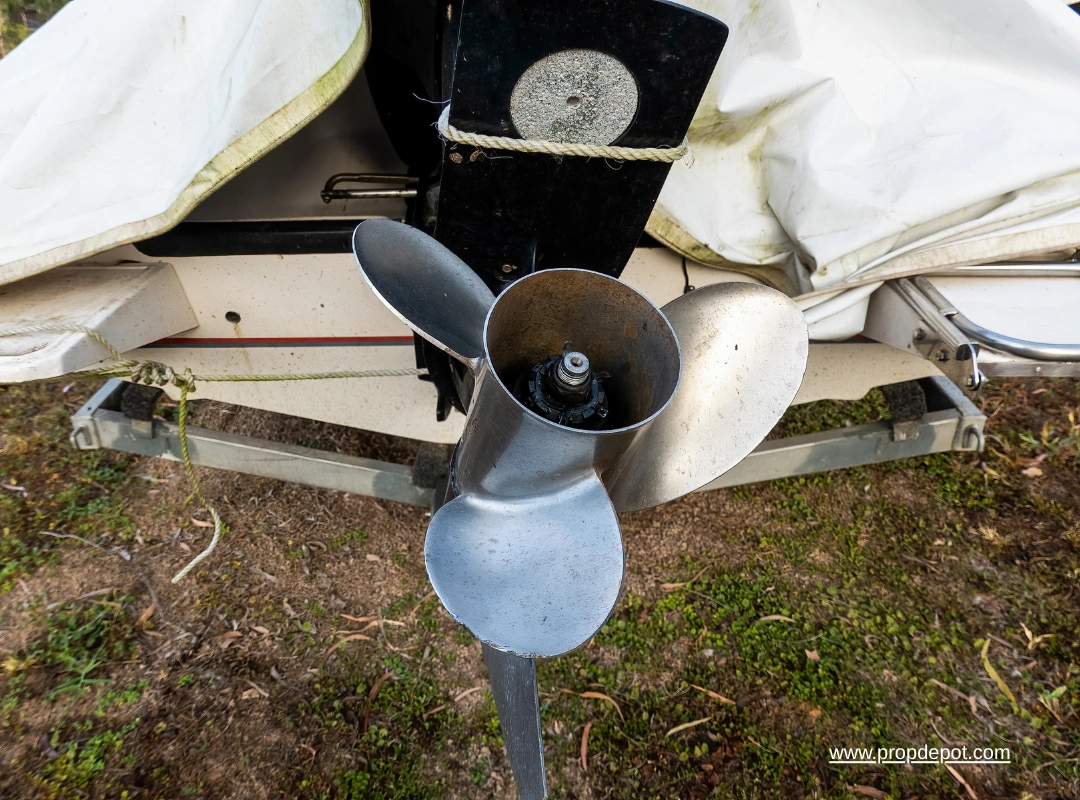
You don’t always see propeller damage right away, but you feel it quickly. A boat propeller works under constant pressure, so even a minor impact can throw things off balance. Shallow water contact, hidden debris, or fishing line wrapped around the prop shaft often start the problem without warning.
Once the damage begins, the propeller blades lose their clean shape. And that shape matters because it controls how water moves behind the boat. Even a small bend increases drag and forces the engine to work harder. This leads to increased fuel consumption and reduced speed over time.
Corrosion also plays its part. Saltwater and long-term exposure slowly erode the surface, especially on aluminum propellers. Stainless steel propellers resist this better, but stainless props develop stress cracks under repeated load. When you ignore early signs, the issue spreads into vibration and poor handling on the water.
Prop Depot often highlights that most major failures begin as minor, overlooked impacts. That is why early inspection keeps your boating experience steady and your vessel running in proper form.
How Prop Damage Shows Up on the Water
You feel most prop problems before you even inspect the boat. The steering wheel vibrates, the acceleration feels uneven, and the engine struggles to reach normal speed. These signs usually point to bent blades or an imbalance in the propeller system.
When a blade bends, it disrupts pitch and reduces thrust. That creates uneven pressure on the prop shaft and affects the entire drive system. In some cases, cavitation begins, which means air pockets form around the propeller and reduce efficiency even further. Understanding what causes propeller cavitation and how to prevent it helps boaters distinguish between damage-induced performance loss and a separate fluid dynamic problem that requires its own solution.
A damaged propeller also changes how your boat handles turns. It feels less stable and more resistant in tight movement.
Prop Depot technicians regularly see boats arrive with performance complaints that trace back to simple prop damage. A quick inspection can reveal issues that look small but affect the full marine vessel system.
Repair vs Replacement Decision Point
You reach a critical moment when you must decide whether to repair or replace the propeller. Not every damaged prop needs to go. In many cases, skilled repair work restores full function and saves high costs.
However, the decision depends on the severity of damage and the propeller material. Aluminum props usually respond well to reshaping and light repair work. Stainless steel propellers, on the other hand, require more advanced welding and finishing techniques, especially when cracks appear.
Here is how most boaters evaluate the situation:
- Minor bends or edge nicks usually allow full repair
- Surface erosion or light corrosion often responds well to refinishing
- Deep cracks, broken blades, or severe structural damage require replacement
This step matters because choosing incorrectly can reduce long-term performance or lead to repeated failure. Knowing what the signs are that you need a new propeller gives you a clear benchmark for making that repair versus replace decision before spending money on either option. Prop Depot helps boaters assess the condition carefully so they don’t spend more than needed. A properly repaired boat prop can perform close to its original condition when handled with precision and the right tools.
Inside the Propeller Repair Process
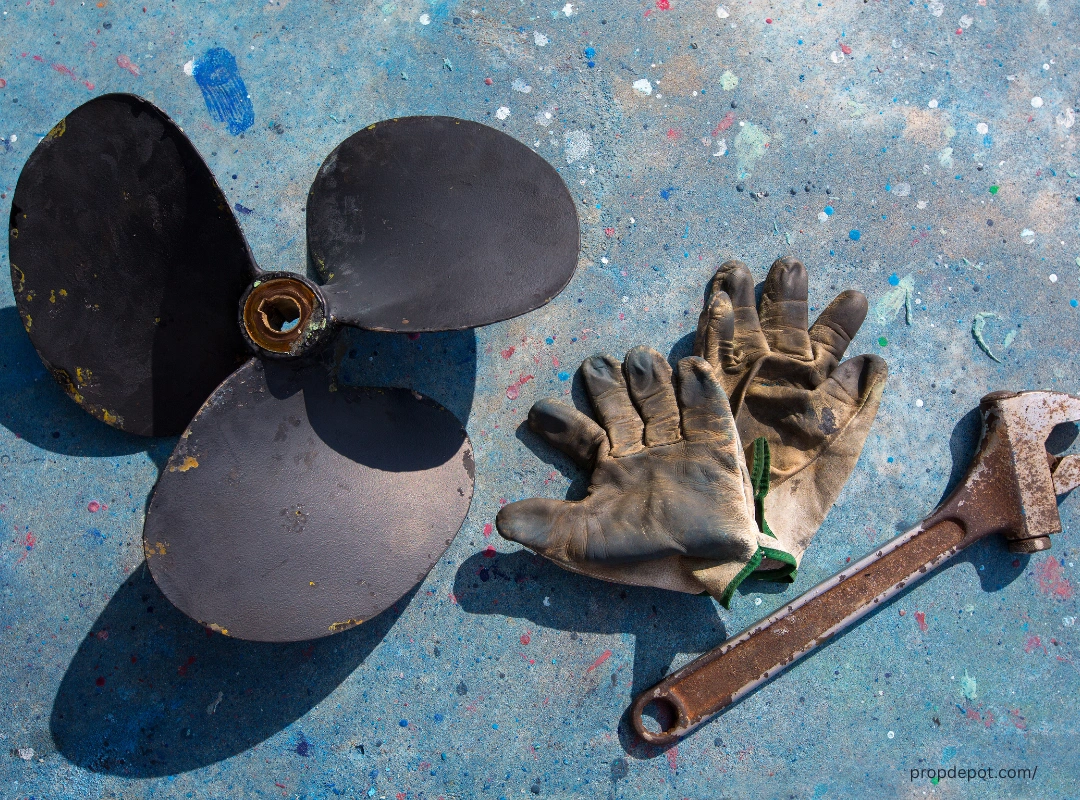
Repairing a boat propeller takes more than straightening metal. It requires measurement, balance correction, and careful reshaping so the blade returns to proper hydrodynamic form.
Technicians begin by inspecting every blade for bends, cracks, and surface wear. They then check pitch and balance to understand how far the prop has moved from its original alignment. From there, the repair process moves step by step with controlled adjustments.
Professional repair work follows a structured approach:
- Inspect damage and measure blade alignment
- Correct bends using controlled mechanical force
- Weld damaged areas when metal loss occurs
- Refinish the surface for smooth water flow
Each step plays a role in restoring balance. It’s important to note that a small error in pitch adjustment can affect speed and fuel efficiency. That is why precision matters more than speed during repair work.
Material Differences That Change Everything
Each propeller responds differently to repair work. The material defines both the damage behavior and the repair method.
Aluminum props bend more easily, which makes them more common in repair cases. They respond well to reshaping, but they also wear down faster in rough conditions. Stainless steel propellers behave differently. They resist bending but can develop cracks under heavy impact or long-term stress.
Understanding this difference helps boaters choose the right approach. Aluminum often favors repair, while stainless steel sometimes requires welding or even full replacement, depending on crack depth. A closer look at how propeller material affects performance and durability helps boaters understand not just repair decisions, but also which material to choose when sourcing a replacement.
Why Professional Prop Shops Make the Difference
You can’t always fix propeller damage with basic tools. A proper prop shop brings measurement equipment and balancing systems that ensure long-term reliability.
Prop Depot focuses on restoring full functional performance, not just surface-level fixes. The team understands how prop shaft alignment, cavitation issues, and blade pitch all connect to overall boat efficiency. That technical understanding helps prevent repeat failures.
Prop Depot also supports boaters across Tennessee with consistent service quality and practical repair decisions. The shop focuses on keeping marine vessels in working condition without unnecessary replacements. That approach saves time, protects engines, and keeps boats running at peak performance.
Maintenance That Keeps Props in Shape
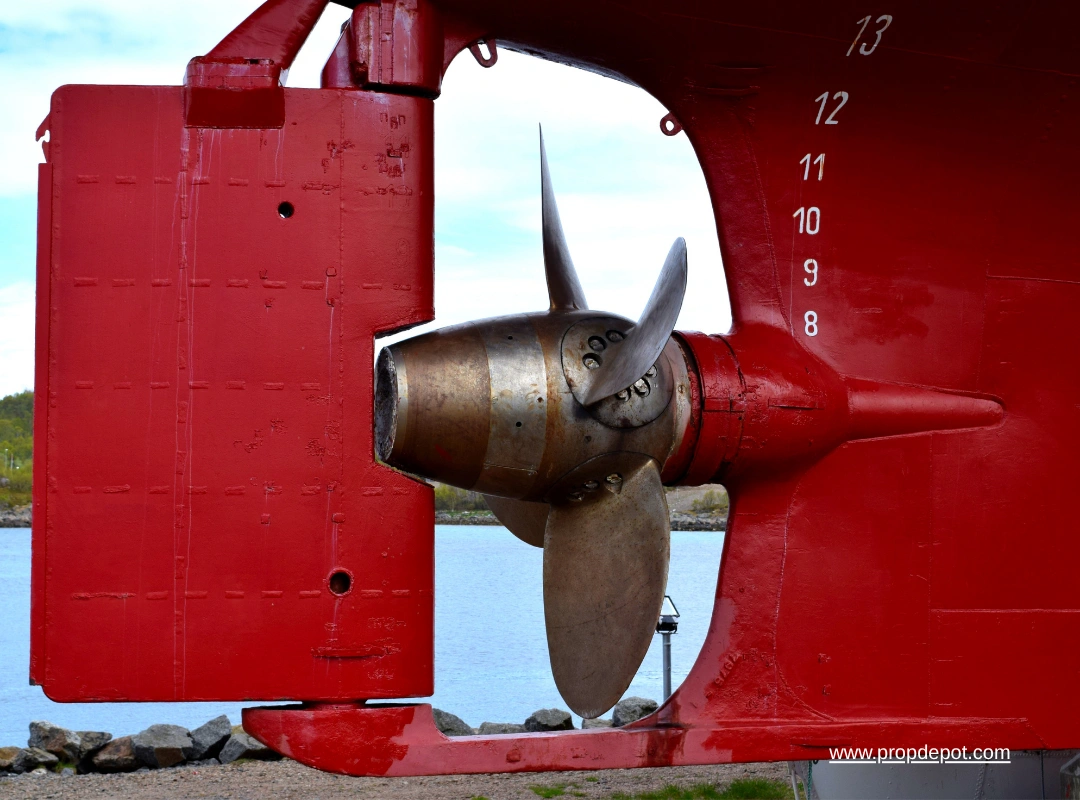
You can reduce most propeller problems with simple maintenance habits. Regular care prevents small issues from turning into major repairs and keeps your boat performing consistently.
Routine inspection and cleaning make a big difference. Fishing line, debris, and salt buildup often cause hidden damage that slowly affects balance and thrust. A quick check after every trip helps avoid long-term wear. Knowing how often propellers should be removed for maintenance gives boaters a practical schedule to follow rather than waiting until a problem becomes obvious on the water.
Applying protective coatings also helps reduce corrosion, especially in saltwater environments. Avoiding shallow water impact protects blades from bending and keeps the propeller geometry stable over time.
Final Thoughts on Reliable Prop Repair
Boat propeller repair always comes down to timing, skill, and material understanding. When you act early, you protect both performance and cost. When you delay, small damage spreads into larger mechanical strain.
Prop Depot continues to serve boaters across Tennessee with dependable repair solutions that keep marine vessels running smoothly. The focus stays on precision work, practical guidance, and restoring full water performance without unnecessary replacement costs.
When your prop shows early signs of damage, address it quickly with experts like Prop Depot in Tennessee to keep it stable and efficient.
Prop Depot Fixes Bent & Damaged Boat Propellers Fast
As a boater, you might not notice how much performance you have lost until it starts affecting handling.
Prop Depot handles boat propeller repair, prop reconditioning, stainless steel and aluminum prop replacements, and performance matching, helping you get the right propeller setup based on your boat’s engine and usage. Our goal is simple: restore smooth thrust and consistent performance without unnecessary downtime. If your prop isn’t pulling like it should, contact us today, and let’s get you back to reliable performance on the water.
Frequently Asked Questions
Here are some common questions boaters ask when they deal with propeller issues.
Q1. What does Prop Depot do for damaged boat props?
A: Prop Depot handles full boat propeller repair, including bending correction, welding, and balancing for smooth performance.
Q2. Can Prop Depot repair stainless steel propellers in Tennessee?
A: Yes, Prop Depot serves boaters across Tennessee and repairs stainless steel propellers with precision welding and refinishing.
Q3. How do I know if my boat prop needs repair or replacement?
A: Prop repair services check blade condition, pitch balance, and damage depth to decide if prop repair or replacement fits best.
Q4. Does Prop Depot offer prop repair services in Tennessee locations?
A: Yes, Prop Depot provides expert prop shop services across Tennessee for all types of marine vessels.
Q5. What causes most boat prop damage?
A: Most prop damage comes from shallow water impact, fishing line entanglement, corrosion, and minor collisions with debris or underwater objects.