

Ski wake boat performance with OJ props improves through a steadier pull behind the boat, stronger hole shot, and better top-end speed, since OJ propellers are cut specifically for the low-speed, high-load demands of towing skiers and riders rather than for general cruising. If your boat feels sluggish out of the hole, the prop on the back of it is usually the first place to look before touching anything on the engine. Let’s know more.
Oscar Johnson & the Roots of OJ Propellers
Oscar Johnson built the company around a simple goal: make propellers that could withstand the specific stresses of towing behind a boat without sacrificing speed. That focus on towing established basic standards for what a ski-and-wakeboard prop should do.
Those basic standards still shape how OJ designs every finished product today. Where a general-purpose prop tries to do a bit of everything, an OJ prop is built around one job, and that focus shows in how it performs behind loaded wakeboard boats.
For a closer look at matching a prop to your specific hull and engine combination, this blog on choosing the right ski prop is worth reading before you shop.
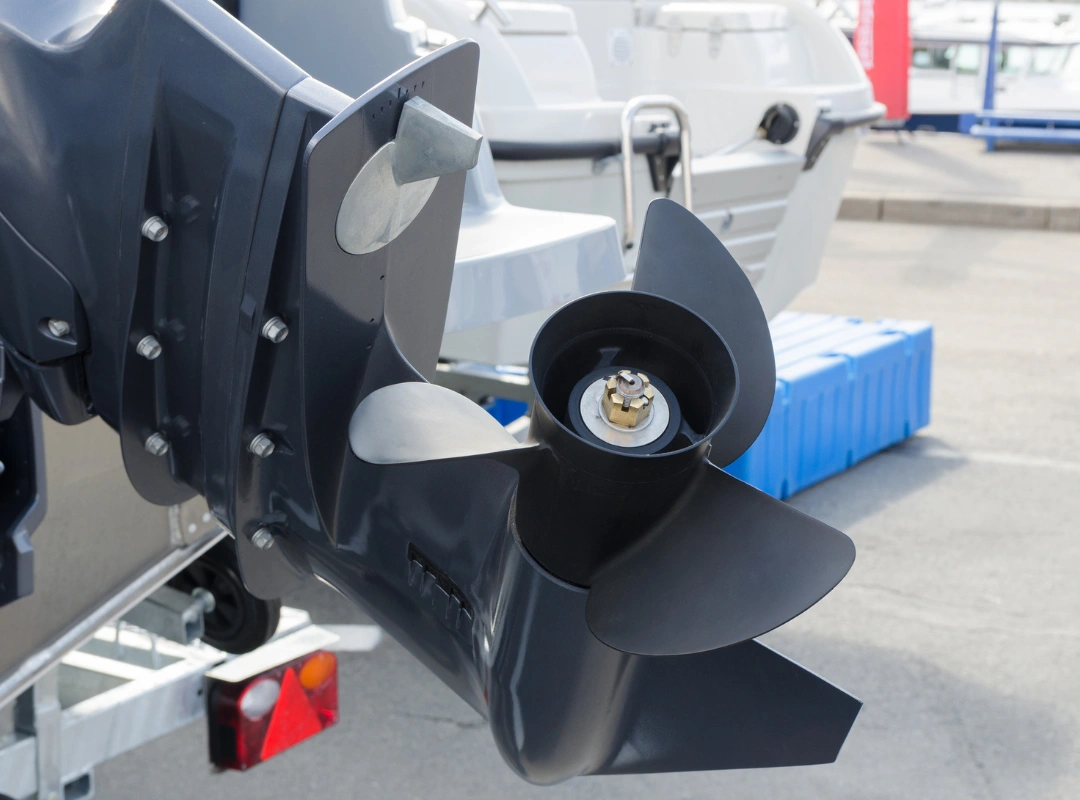
Blade Shape & Pitch Distribution
The blade shape on an OJ prop is not an accident. Each edge is cut to bite into the water early in the rotation. This gives these props their strong pulling power at low speed.
Recent designs use a new blade shape paired with an enhanced pitch distribution across the blade’s face. This means the pitch is not flat from hub to tip but changes gradually to maintain consistent grip as RPM climbs. This is one of the main factors behind why an OJ prop feels planted during the pull-up instead of cavitating under load.
Rake angle plays into this as well, and this blog on how rake angle affects performance breaks down why small changes in blade angle change how your boat rides and pulls.
Low-End Power for Towing
Getting a wakeboarder or skier out of the water cleanly comes down to low-end power, and this is where a lower-pitch prop earns its keep.
A lower pitch spins with less resistance at the start of the pull. This gives the engine a chance to build torque before your boat is fully on plane. Pair that with a larger diameter blade, and you get a propeller that grabs more water per rotation (without needing to spin as fast), which translates directly into a steady pull that riders notice the moment they leave the water.
This balance between pitch and diameter is one of the trickiest parts of propeller selection, and it is covered in more detail in this piece on propeller pitch and boat performance.
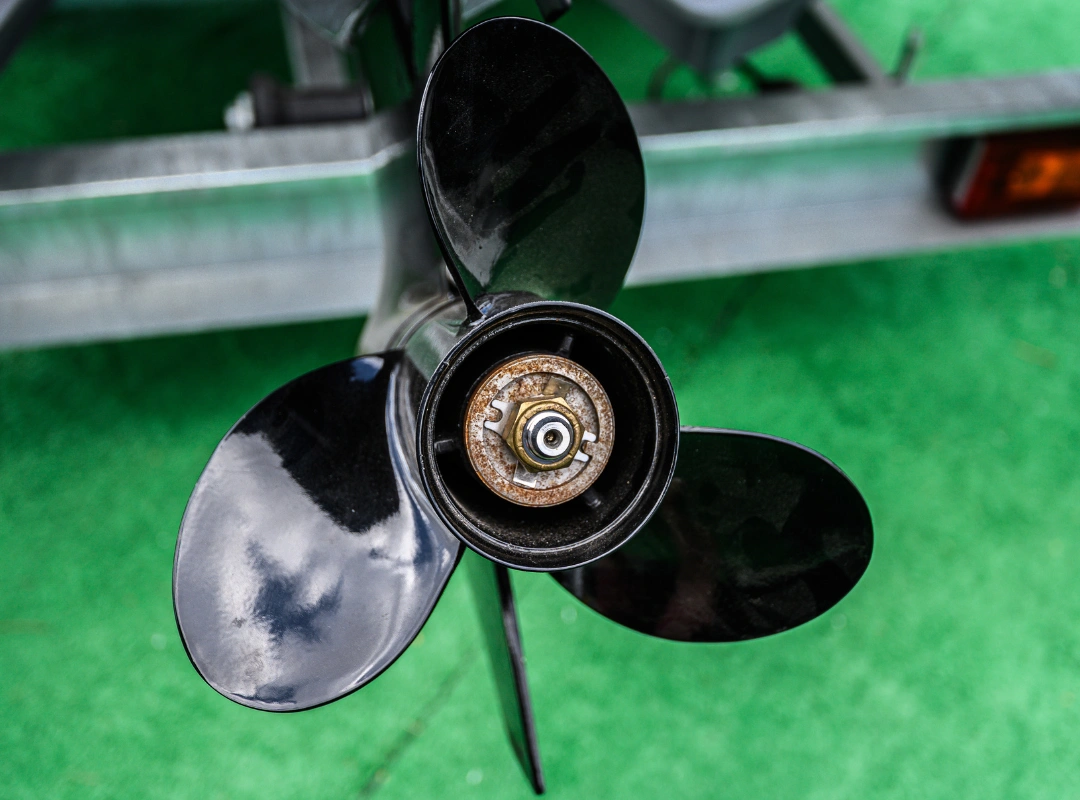
Handling Additional Ballast
Wakeboard boats rarely run light. Most riders load additional ballast to shape the wake. That extra weight changes how your boat responds to throttle input. A prop that felt right on an empty boat can feel sluggish once ballast tanks are full, so OJ builds its lineup with towing weight in mind from the start. The goal is a consistent performer across a boat’s typical range of loaded weight. Boat owners running heavy ballast setups often find that stepping up to a slightly larger diameter blade keeps pulling power stable even as their boat gets heavier week to week.
SkiPro Propellers & the OJ Lineup
Inside the broader OJ catalog, SkiPro propellers are built specifically around ski boat demands, where an exceptionally smooth pull matters more than aggressive turning. This is a different job than a wakeboard boat, which needs to hold a tight line while pulling a rider through a wake pattern. Riders switching from stock aluminum blades to an OJ or SkiPro option generally describe the change as immediate, with less vibration and a noticeably stable feel at cruising speed. You can browse the full range of options directly through this collection of OJ boat propeller options to compare blade counts and pitch side by side.
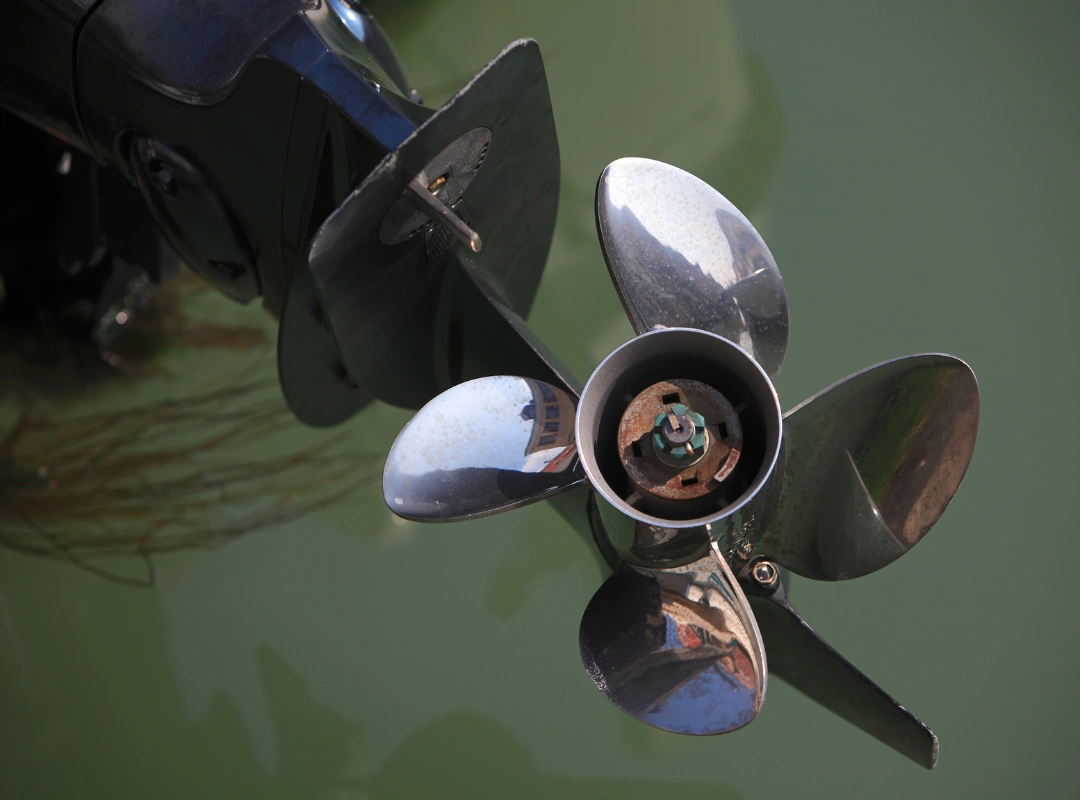
Keeping the Prop in Top Condition
A boat prop that has been bent, struck, or worn down loses the exact geometry that gives it its pulling power. Even a small amount of damage on the edge changes how the blade grips at low speed. Getting a damaged OJ or ACME prop repaired quickly, rather than running it in a compromised state, keeps performance from slipping between rides.
Fast turnaround matters here, since a damaged propeller sitting on a shelf does nothing for anyone, and this page on ski and wakeboard prop repair turnaround explains how fast a bent or chipped blade can be back on the boat.
Conclusion
Getting real ski wake boat performance with OJ props comes down to matching blade shape, pitch, and diameter to how your boat is actually used, whether that means a straight pull for a skier or a controlled line for a wakeboard rider dealing with additional ballast. OJ built its reputation on solving this problem, and the result is a lineup that gives you a genuine sense of self-satisfaction every time you pull a rider out of the water cleanly.
Contact Prop Depot for Prop Shop & Repair
Call Prop Depot, a Tennessee propeller company, for all things propeller-related. We are an Authorized Mercury, ACME, OJ, Powertech, and Solas Dealer offering new propellers, outboard and sterndrive propellers, cruiser propellers, pod drive propellers, aluminum props, demo and used propellers, and marine accessories and prop pullers. Our catalog also includes Volvo Penta, Michigan Wheel Cruiser Propellers, and Quicksilver Propellers.
Contact Us to talk through the right OJ setup for your boat.
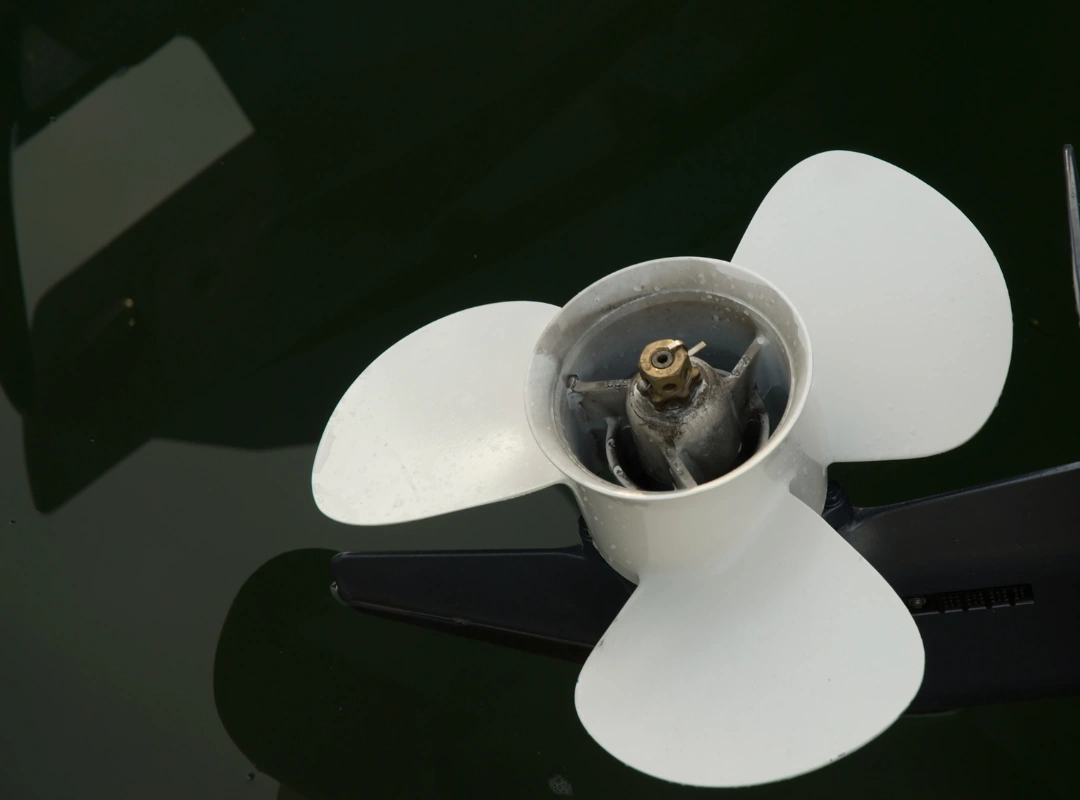
Frequently Asked Questions
Which is faster, a 3-blade or a 4-blade prop?
A 3-blade prop generally reaches a higher top speed, while a 4-blade prop gives up a little top end for a steadier pull and stronger low-speed grip.
Does a wake boat have a prop?
Yes, wake boats use an inboard propeller mounted under the hull, positioned so its wash shapes the wake behind the boat.
What speed do you need to wakeboard a boat?
Most riders wakeboard between 18 and 22 miles per hour, with the exact number changing based on rider skill level and weight.
What is the fastest ski boat?
Purpose-built competition ski boats with inboard engines and high-RPM low-pitch props are generally the fastest at pulling a skier through a slalom course.
What pitch prop gives you more speed?
A higher pitch prop generally delivers more top-end speed, provided the boat engine has enough horsepower to turn it at its rated RPM range.
Is a 5-blade prop better than a 4-blade prop?
A 5-blade prop generally delivers a quieter ride with a strong grip, while a 4-blade prop still holds an edge in outright top-end speed for most boats.